
Mobile Art Residency Phantasia - public event | 24 Sept 2026
Mobile Art Residency Phantasia - public event | 24 Sept 2026
Phantàsia is now complete: fantastic creatures inhabit Padova’s urban landscape.
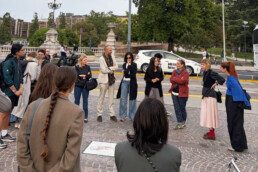
On Thursday, September 24th at 6:00 PM, Progetto Giovani presented the completion of Phantàsia, a site- and context-specific installation by artist Caterina Morigi, spread across the paved area between Padova’s train station and Ponte del Popolo.
The project is the result of a long exploration process, in which the artist examined urban walking as an opportunity to question the environmental context and its transformations. Drawing on the premodern practice of imagining fantastic creatures inhabiting unknown territories, Caterina Morigi frees these representations from maps and bestiaries, bringing them into the urban context. Her aim is to generate new connections, symbols, and reflections on the themes of otherness and elsewhere in those passing by the installations.
The artist’s research has taken shape in seven terrazzo tiles located in the area of Padova’s train station. The project – already inaugurated in January 2026 with the placement of the first elements – has now reached completion in Corso del Popolo, with the installation of the final two components.
Following the presentation of the new works, an informal aperitivo took place at MAC Studi d’artista, in Piazza De Gasperi, 13.
The event is part of the MAR – Mobile Art Residency and WALC! Practices and Cultures of Urban Walking projects, promoted by the Ufficio Progetto Giovani in collaboration with the Department of Historical, Geographical and Antiquity Studies (DiSSGeA) and the Museum of Geography of the University of Padova.

25 Sept 2026 | Territories in motion: roundtable with stakeholders
25 Sept 2026 | Territories in motion: roundtable with stakeholders
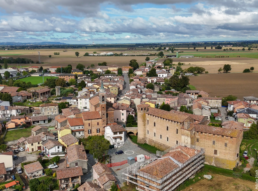
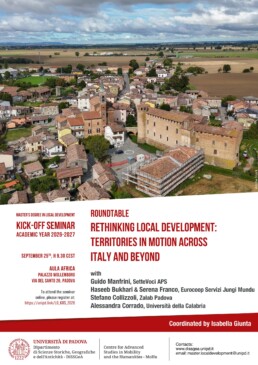
On 22-25 September we officially opened the new academic year of the Master’s Degree in Local Development with our Kick-off Seminar.
The morning of 25 September was dedicated to a stimulating roundtable, “Rethinking Local Development: Territories in Motion across Italy and Beyond,” coordinated by Isabella Giunta. The discussion brought together voices from research, grassroots activism, and civil society: Guido Manfrini (SetteVoci APS), Haseeb Bukhari and Serena Franco (Eurocoop Servizi Jungi Mundu), Stefano Collizzoli (Zalab Padova), and Alessandra Corrado (Università della Calabria).
Together, our speakers offered plural and complementary perspectives on how territories – both in Italy and beyond – are being reshaped by mobility, migration, and new forms of community engagement. Their contributions highlighted the importance of looking at local development not as a fixed or bounded process, but as something dynamic, relational, and deeply connected to broader global dynamics.
A big thank you to all our guests for sharing their experience and expertise, and to all the students, colleagues, and friends who joined us – in person and online – to kick off this new academic year together.
The event by the Master’s Degree in Local Development, DiSSGeA – University of Padova, in collaboration with the Centre for Advanced Studies in Mobility and the Humanities (MoHu) under the frame of the PSD Mobilities project.
Landscape Studies MA meets stakeholders | 21 Sept 2026
Landscape Studies MA meets stakeholders | 21 Sept 2026
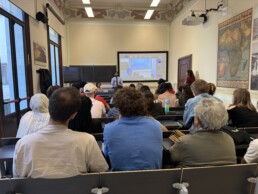
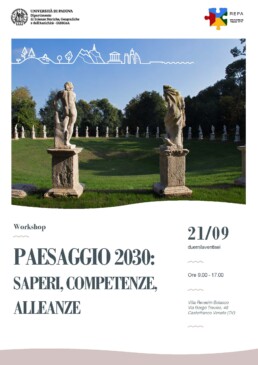
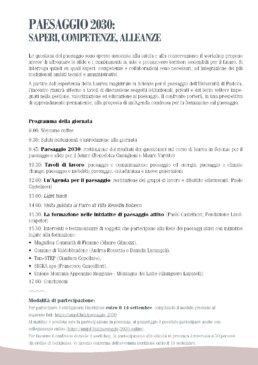
On Monday, September 21st, the Bachelor’s Degree in Landscape Sciences will meet with its “social stakeholders” – the network of institutions, organizations, companies, and associations connected to the degree programme – with the aim of gathering suggestions to strengthen the employability and professional growth of our graduates, and, more broadly, to reflect together on what knowledge, skills, and alliances are needed to address the challenges facing the landscapes of today and tomorrow.
In the morning, participants will work in groups to develop a shared Agenda for the Landscape, while in the afternoon the “Network of Active Landscapes” will host a seminar open to all, dedicated to “Building a Culture of Good Practices.”
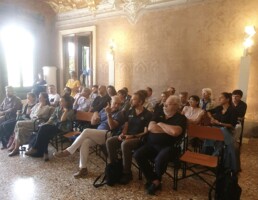
The meeting took place at Villa Bolasco, Castelfranco. A big thank you to all our guests for sharing their experience and expertise, and to all the students, colleagues, and friends who joined us to kick off this new academic year together.
We look forward to a year full of exchange, critical thinking, and collective learning!
MobiLab at the ICHT Meeting 2026 – Kaunas
MobiLab at the ICHT Meeting 2026 – Kaunas
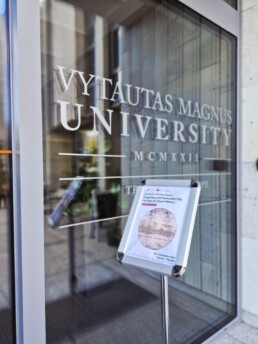
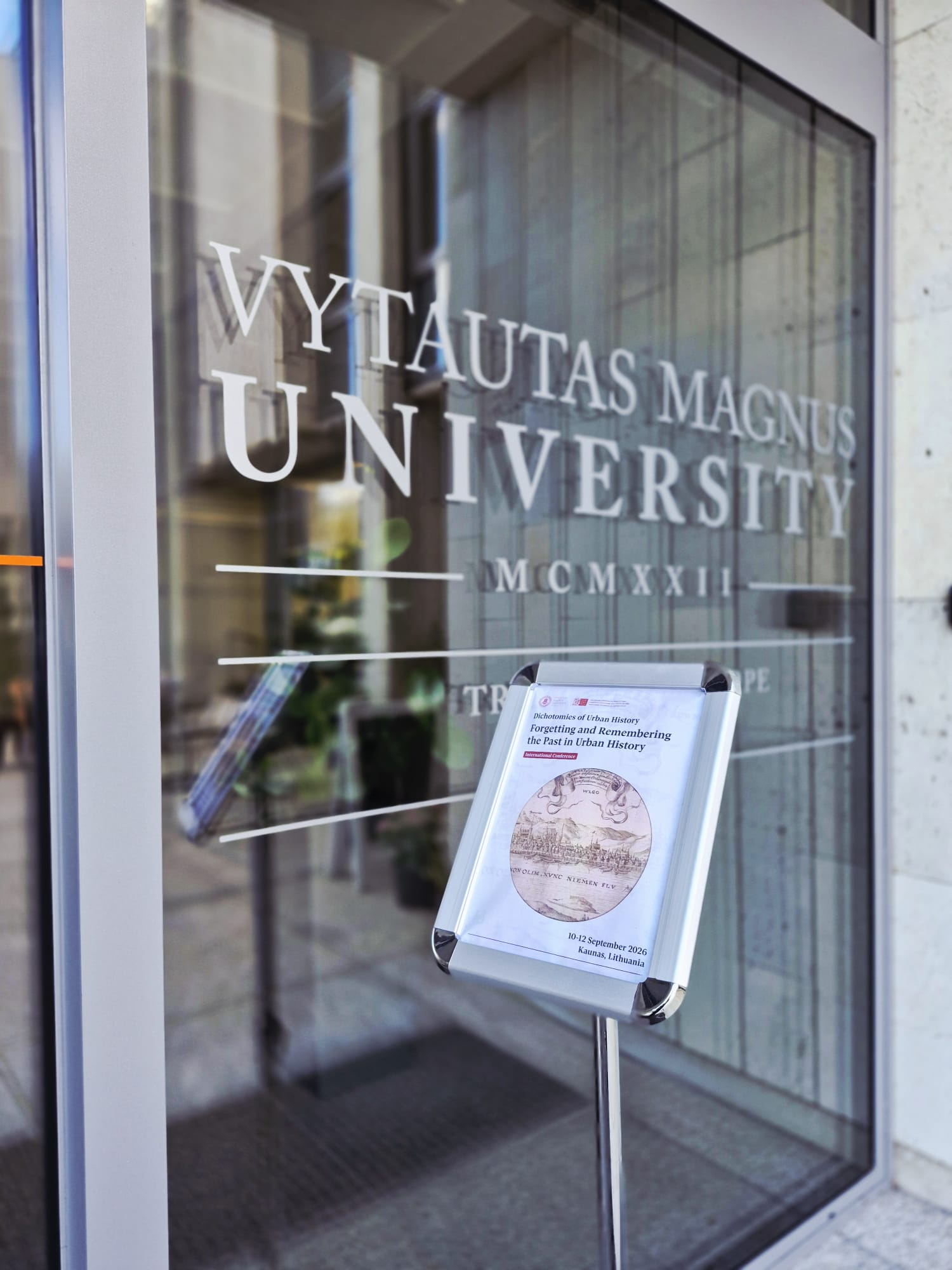
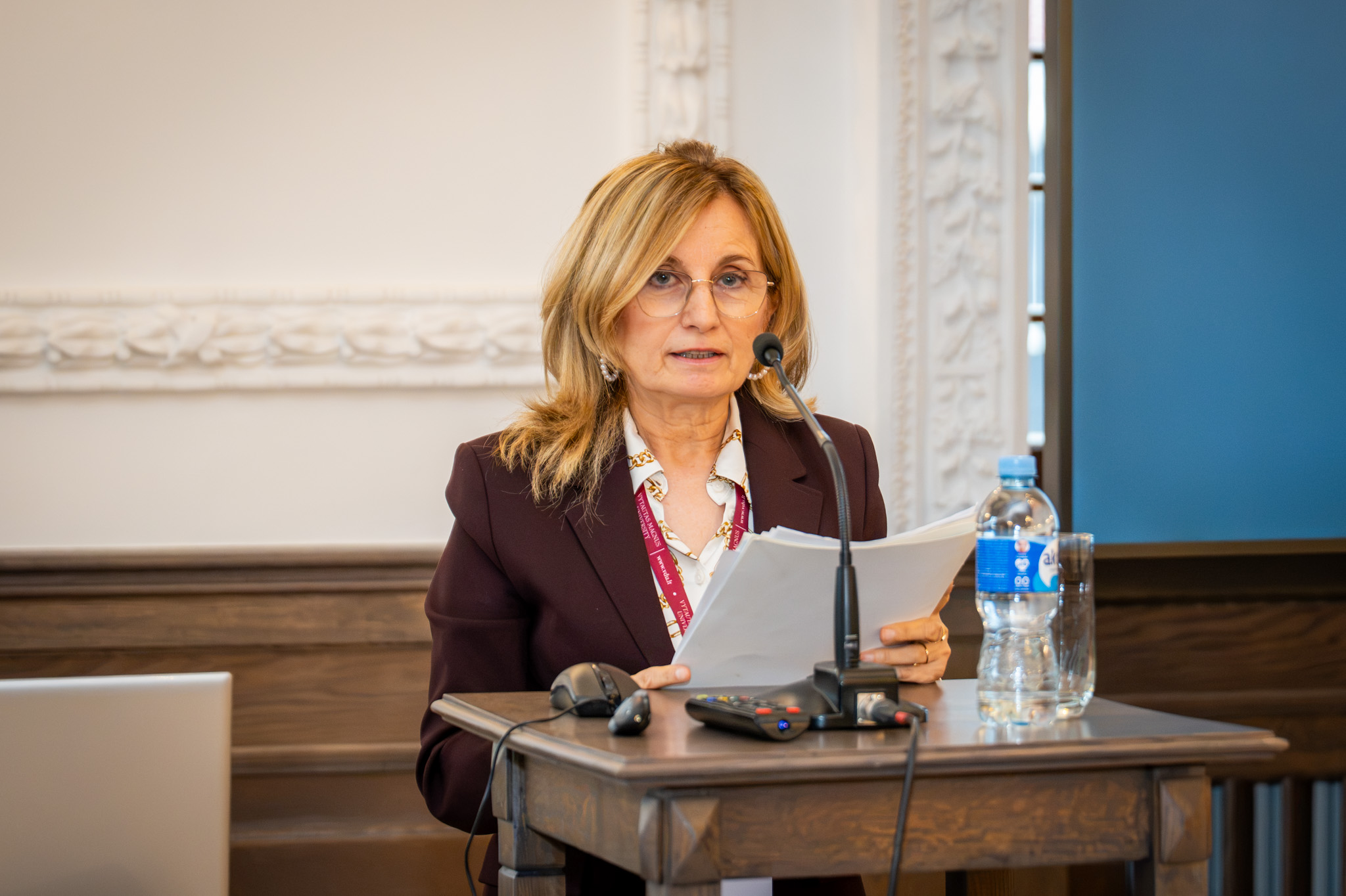
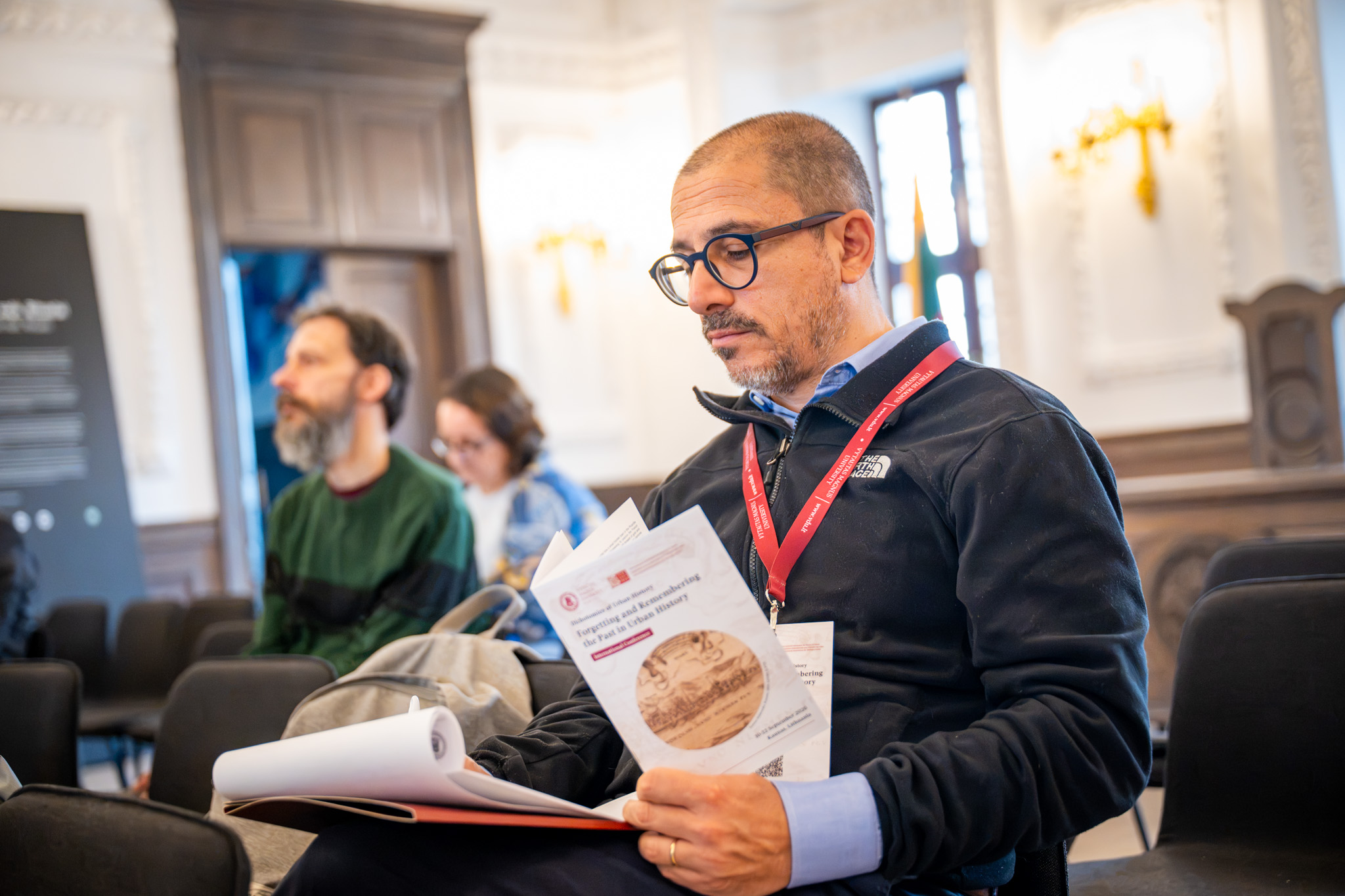
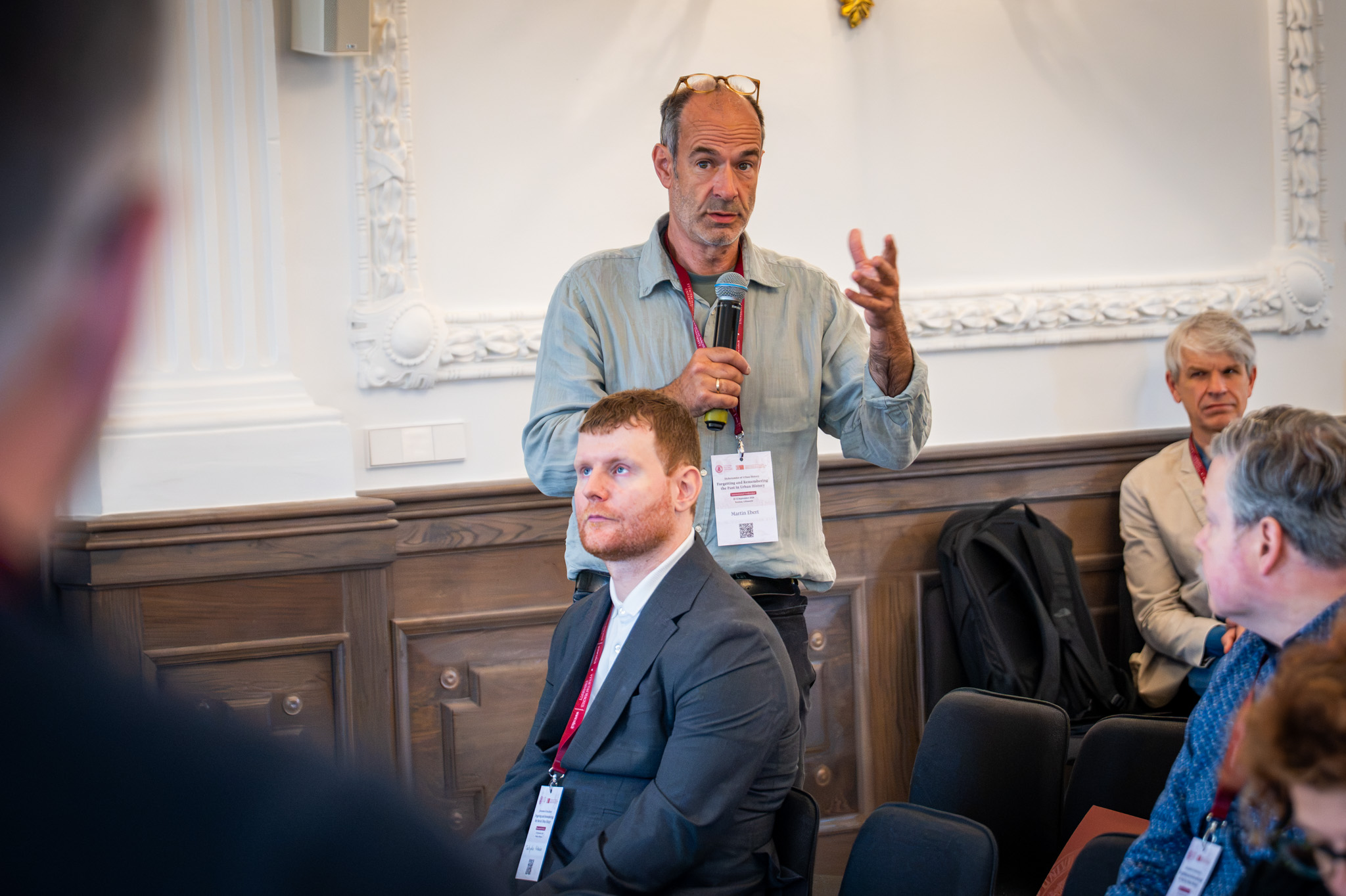
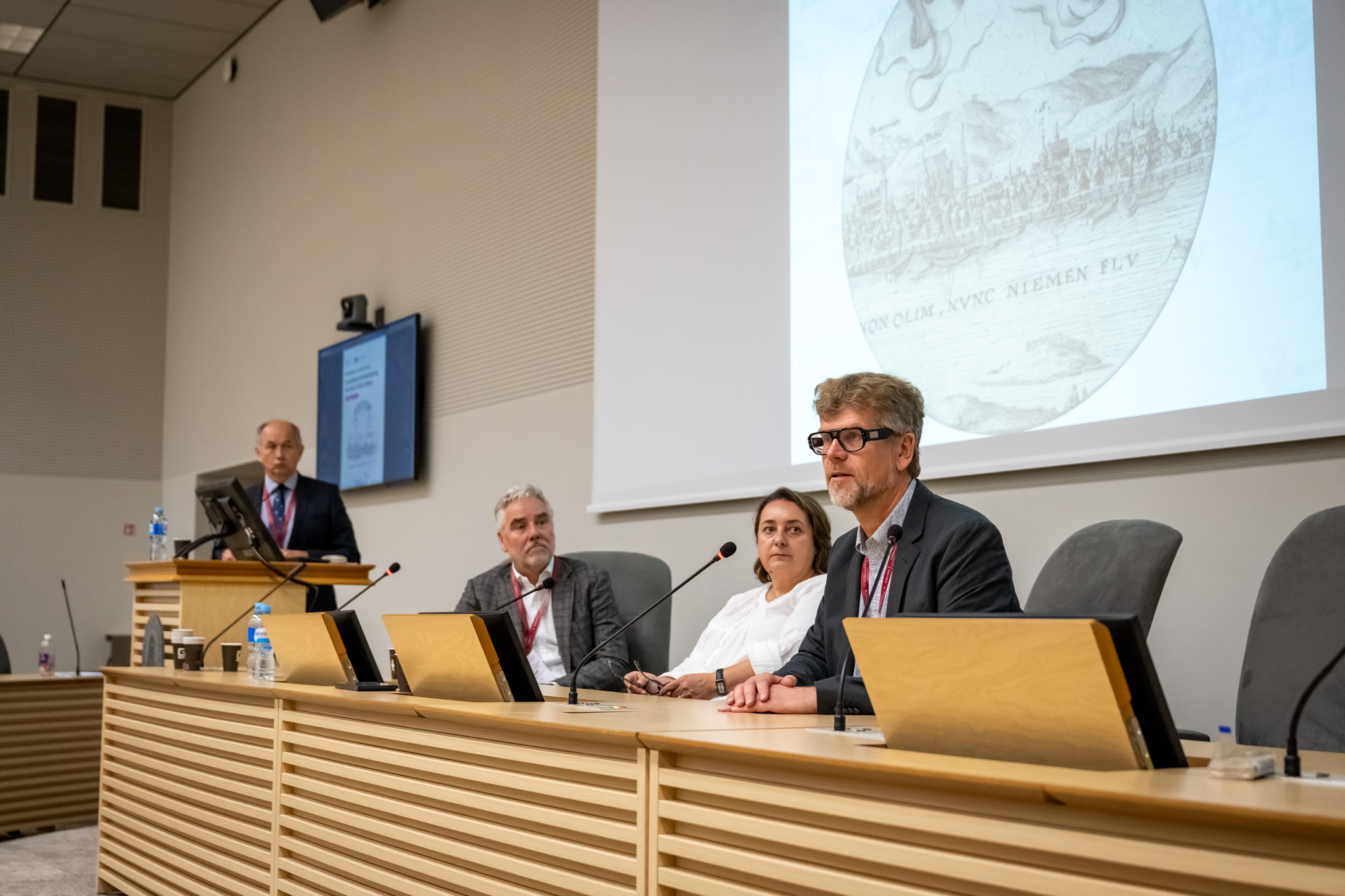
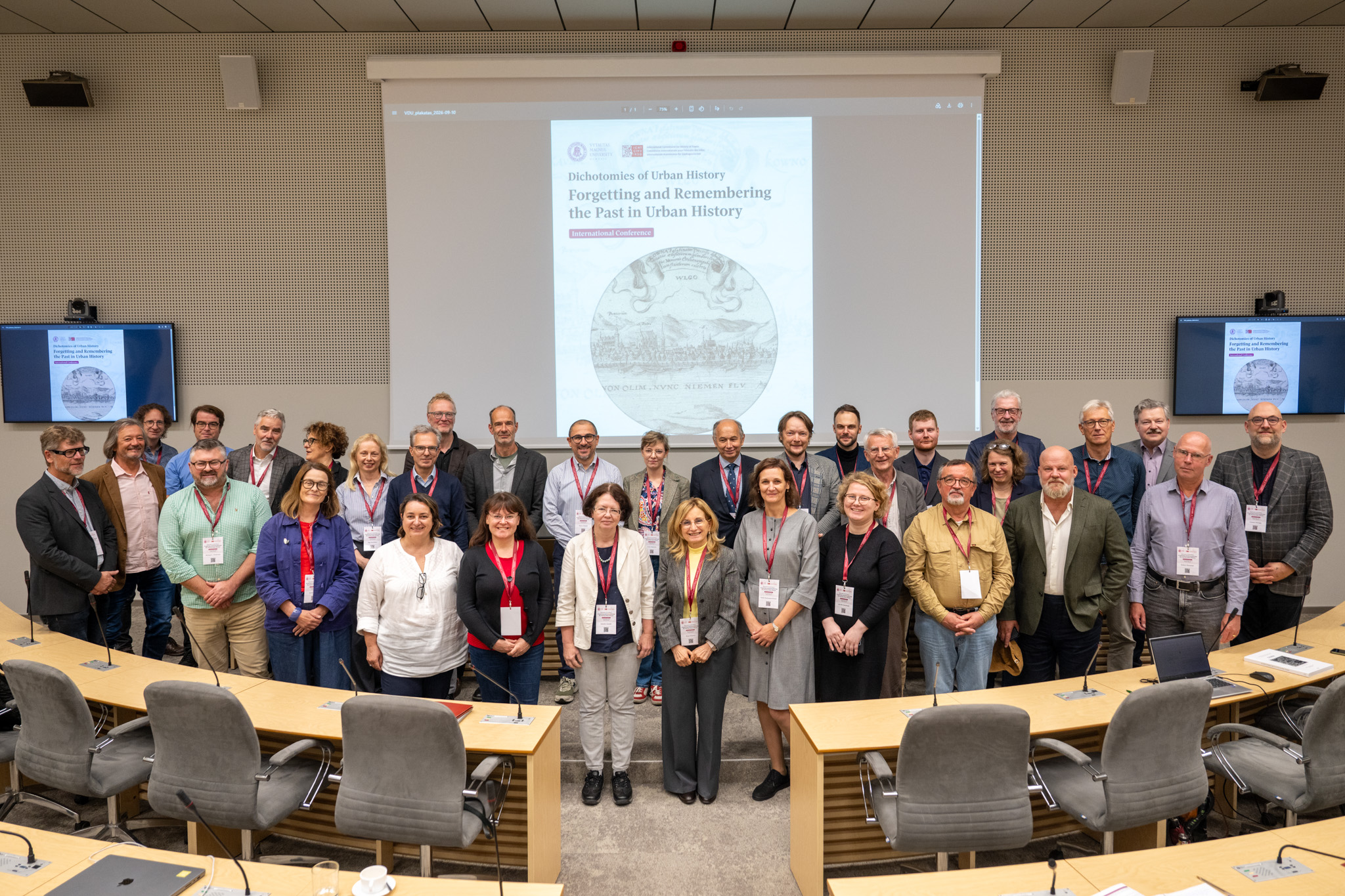
A MobiLab representative attended the annual meeting of the International Commission for the History of Towns (ICHT), which was held at Vytautas Magnus University in Kaunas, Lithuania, from 10 to 12 September 2026.
The conference brought together an international community of scholars to discuss contemporary methods of studying urban history, with a particular focus on cities as complex spaces of memory, identity, and transformation. This year’s theme, ‘Forgetting and Remembering the Past in Urban History’, marked the launch of a new four-year ICHT programme titled ‘Dichotomies of Urban History’. It explored how cities preserve, interpret, or erase their past, and how urban landscapes shape collective memory.
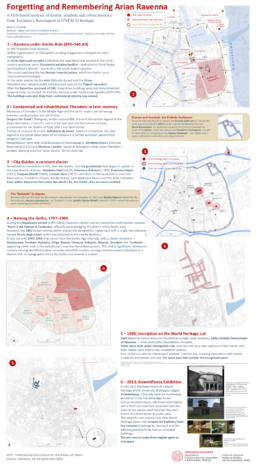
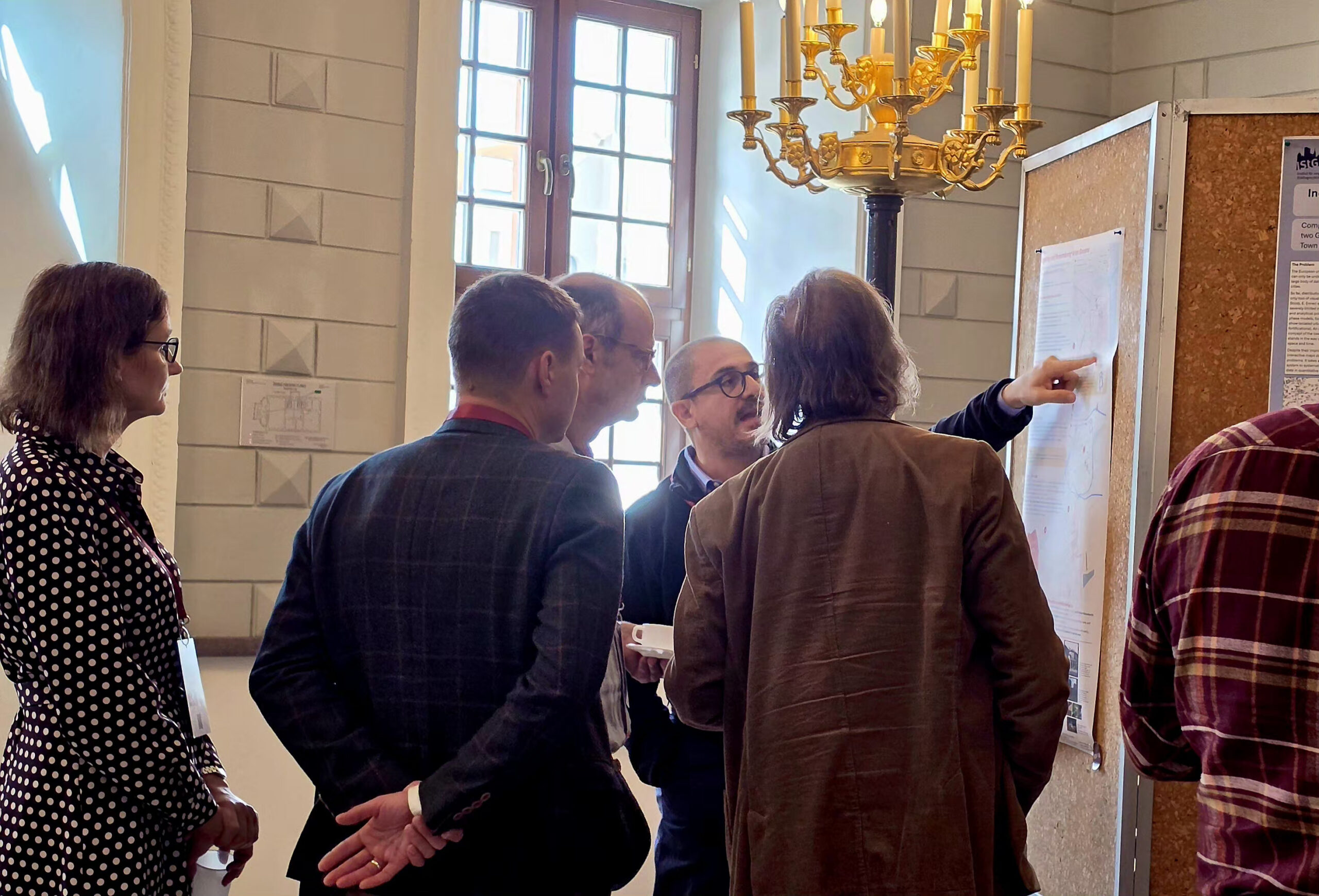
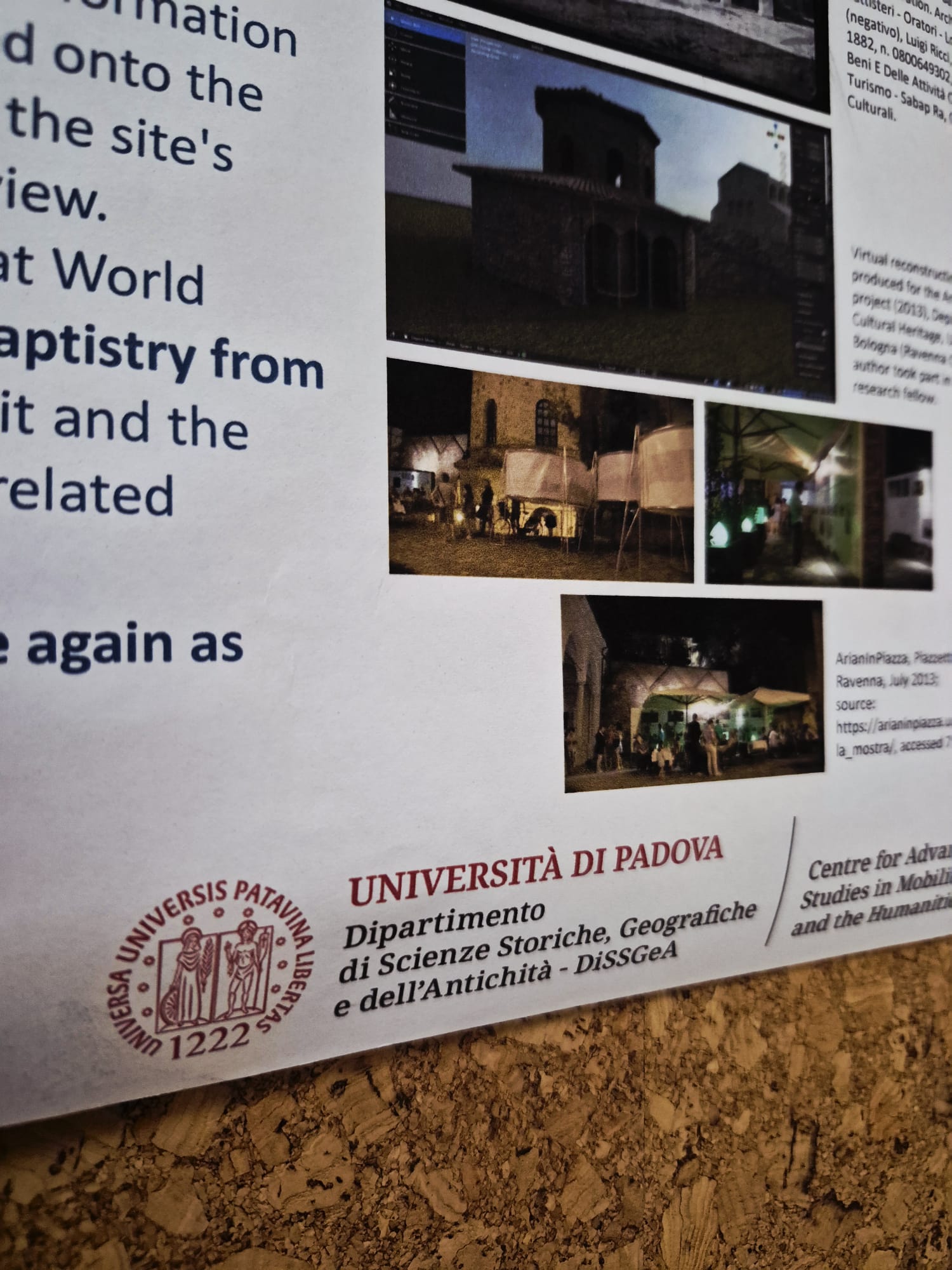
MobiLab contributed to the scientific programme with a poster presentation by Marco Orlandi titled ‘Forgetting and Remembering Arian Ravenna: A GIS-based analysis of Gothic symbols and urban memory from Justinian’s Reconquest to UNESCO heritage’. This research provides a spatial, GIS-driven investigation into the erasure, preservation, and reinterpretation of Gothic symbols and Arian memory in Ravenna across the centuries, from the Byzantine reconquest to modern UNESCO heritage recognition.
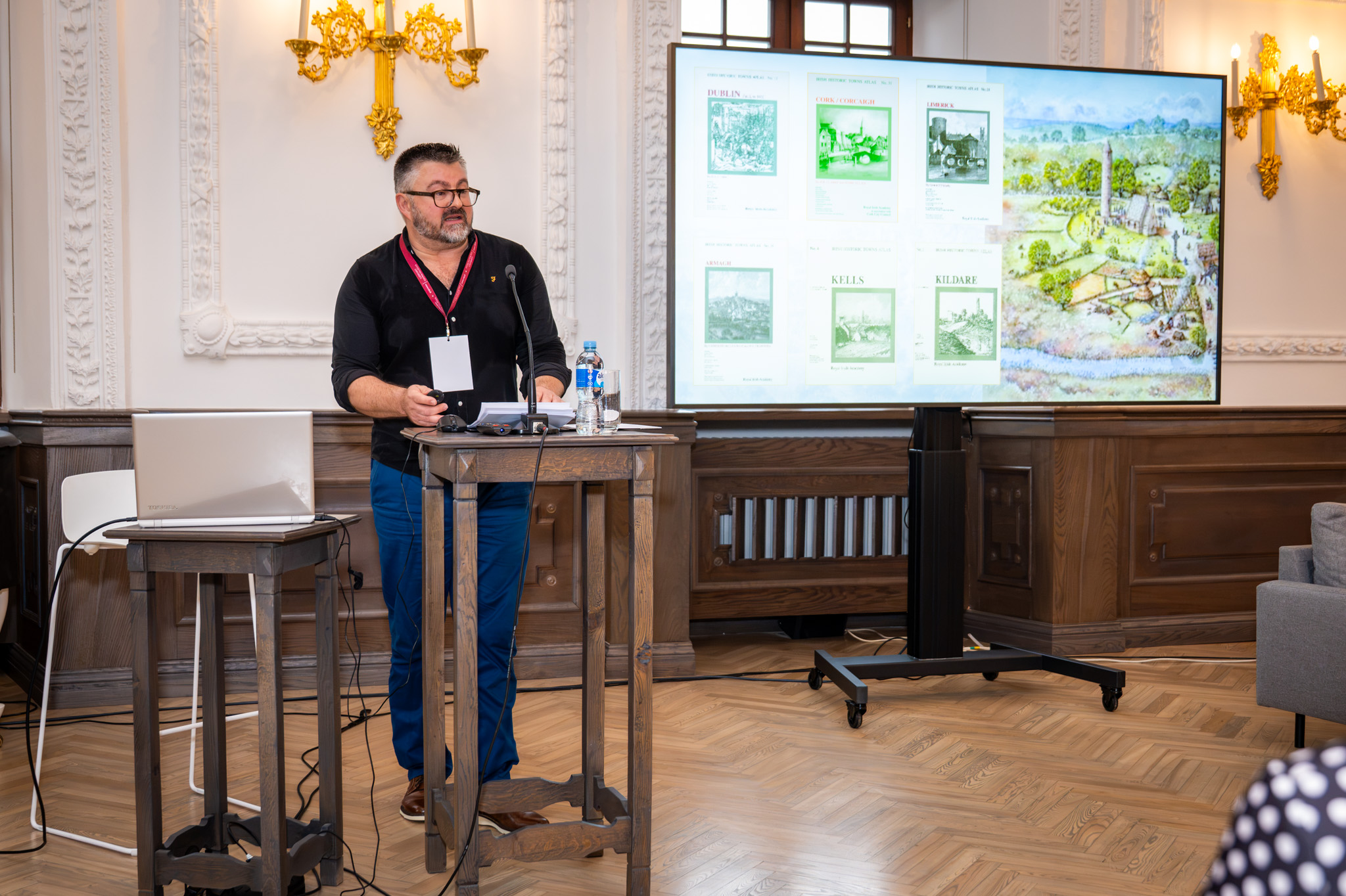
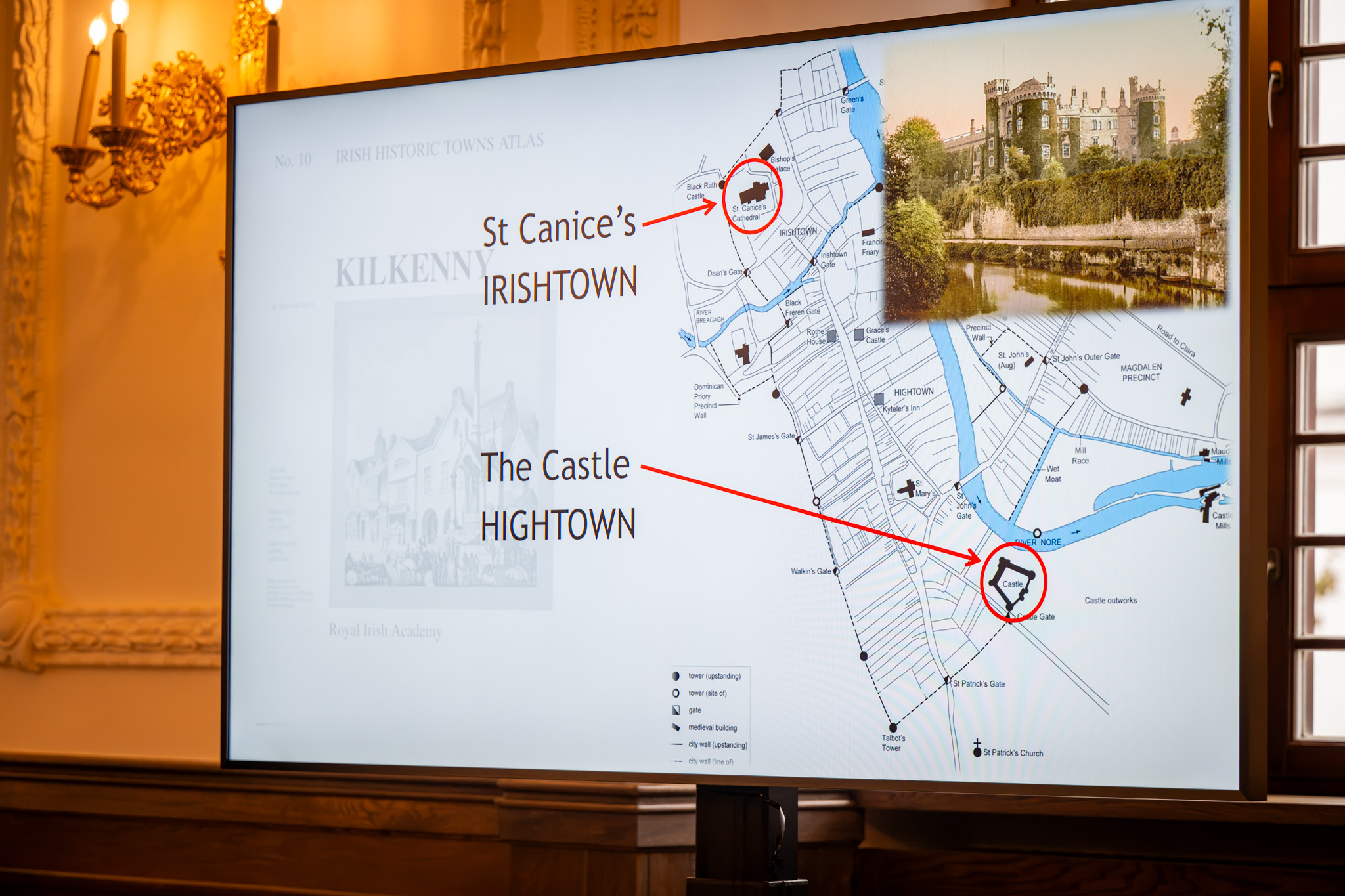
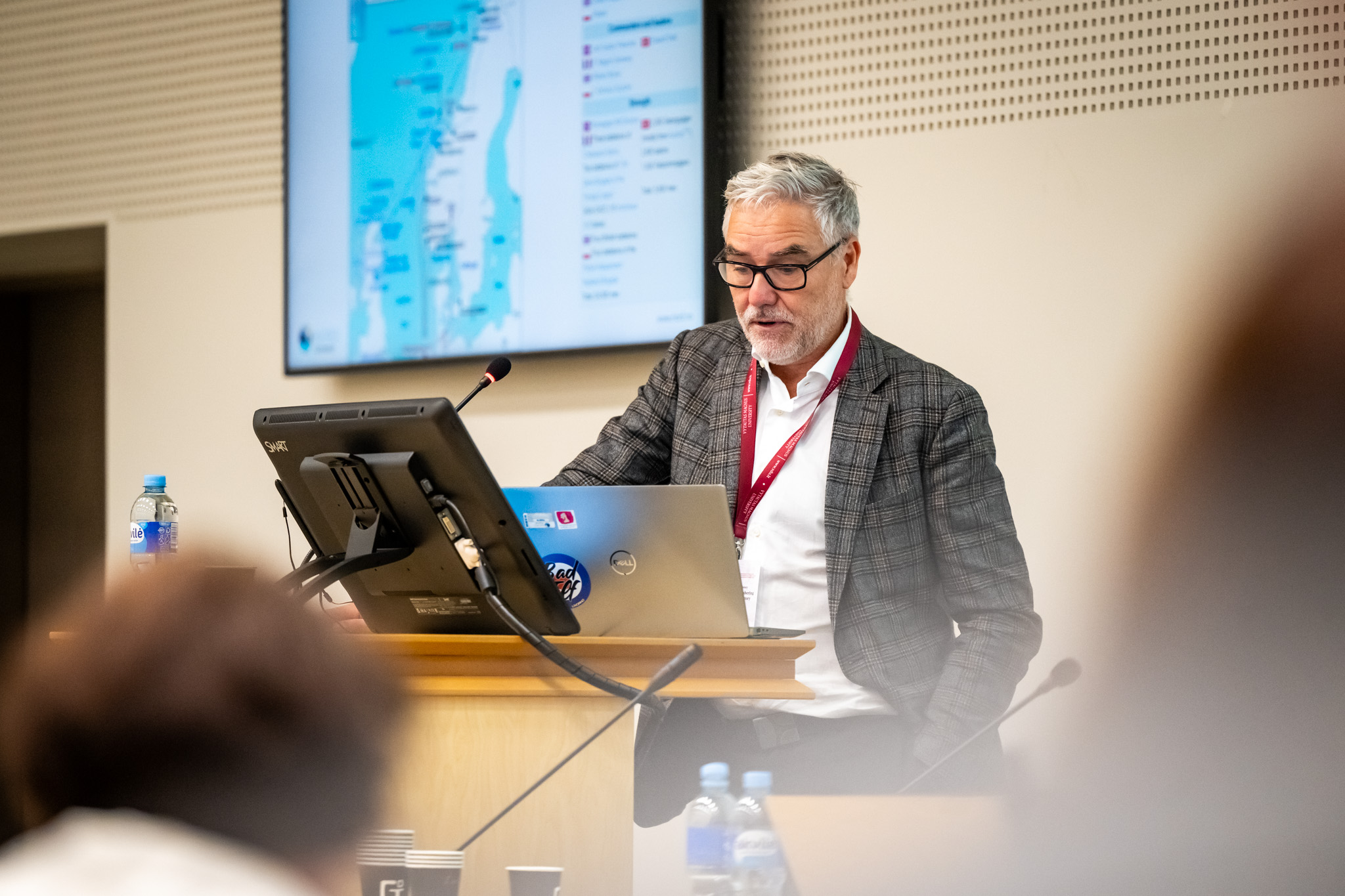
The conference also hosted a session sharing the latest updates from the Atlas Working Group (AWG), which coordinates the European Historic Towns Atlas project. This session discussed new perspectives on spatial history, historical cartography and digital research methodologies in the era of artificial intelligence.
Participation in the annual ICHT meeting was a valuable opportunity for MobiLab and MoHu to present our research, engage with cutting-edge developments in digital and spatial history, and strengthen connections within this major European network of urban historians.
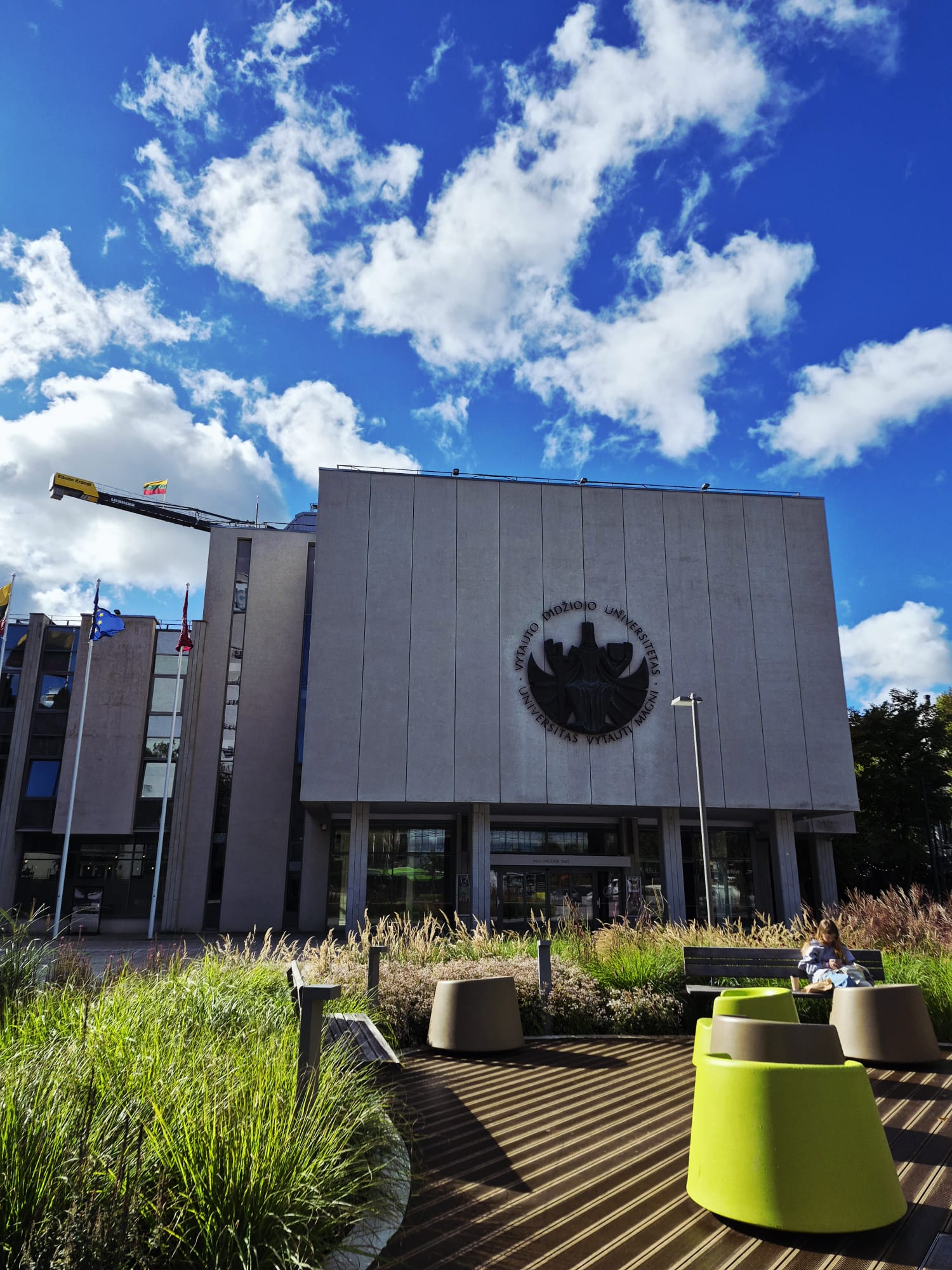
Photos by: Jonas Petronis, Akvilė Kašiubaitė, Marco Orlandi.