

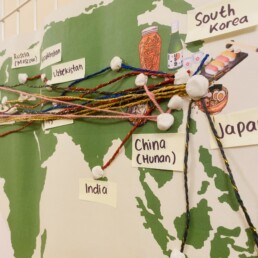
Questioning Food, Mobilities & Development | 6 Feb 2026
Questioning Food, Mobilities & Development | 6 Feb 2026
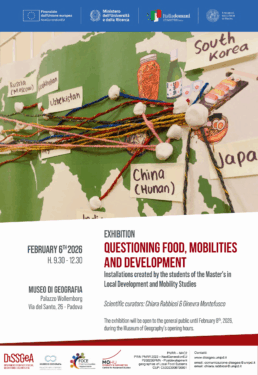
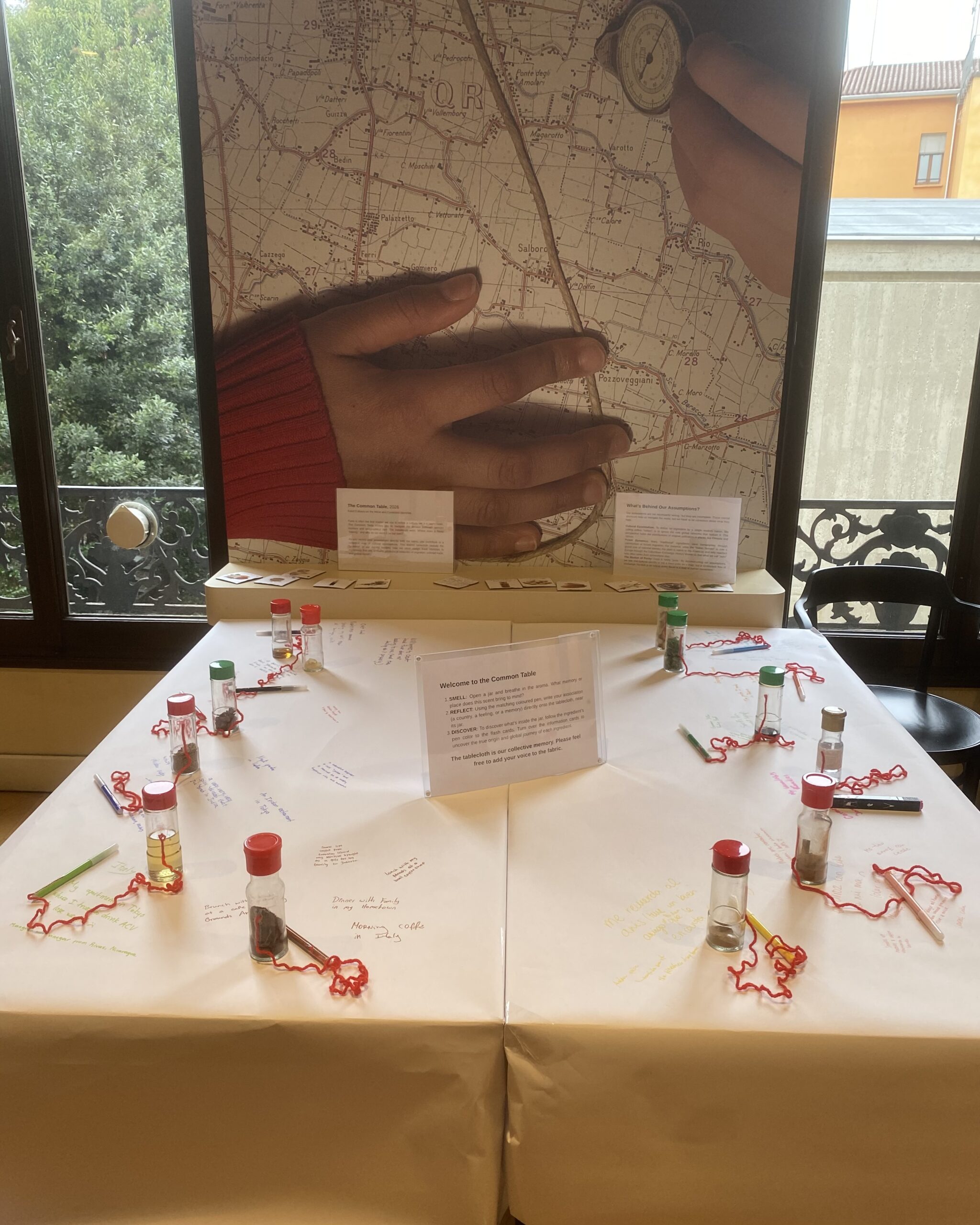
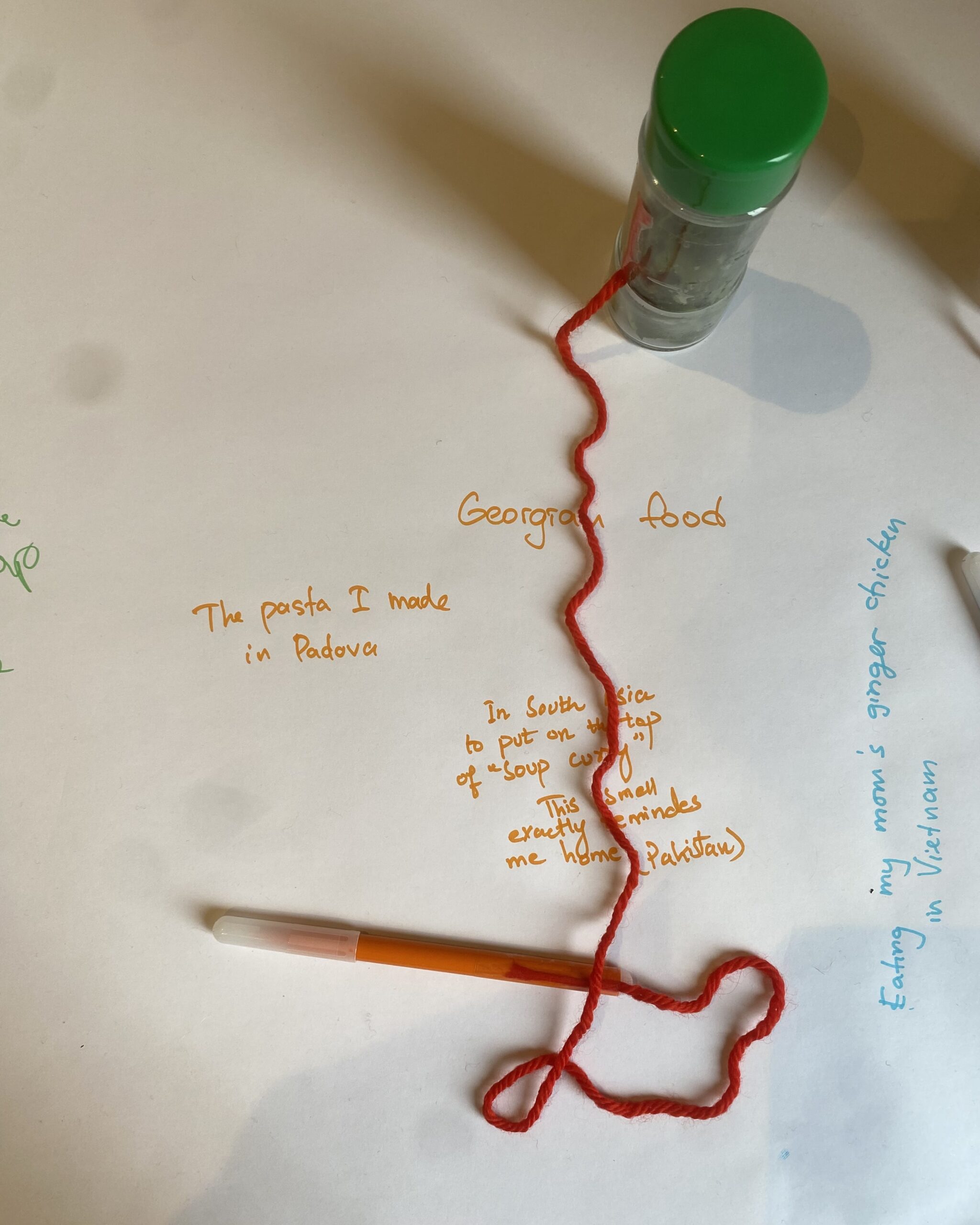
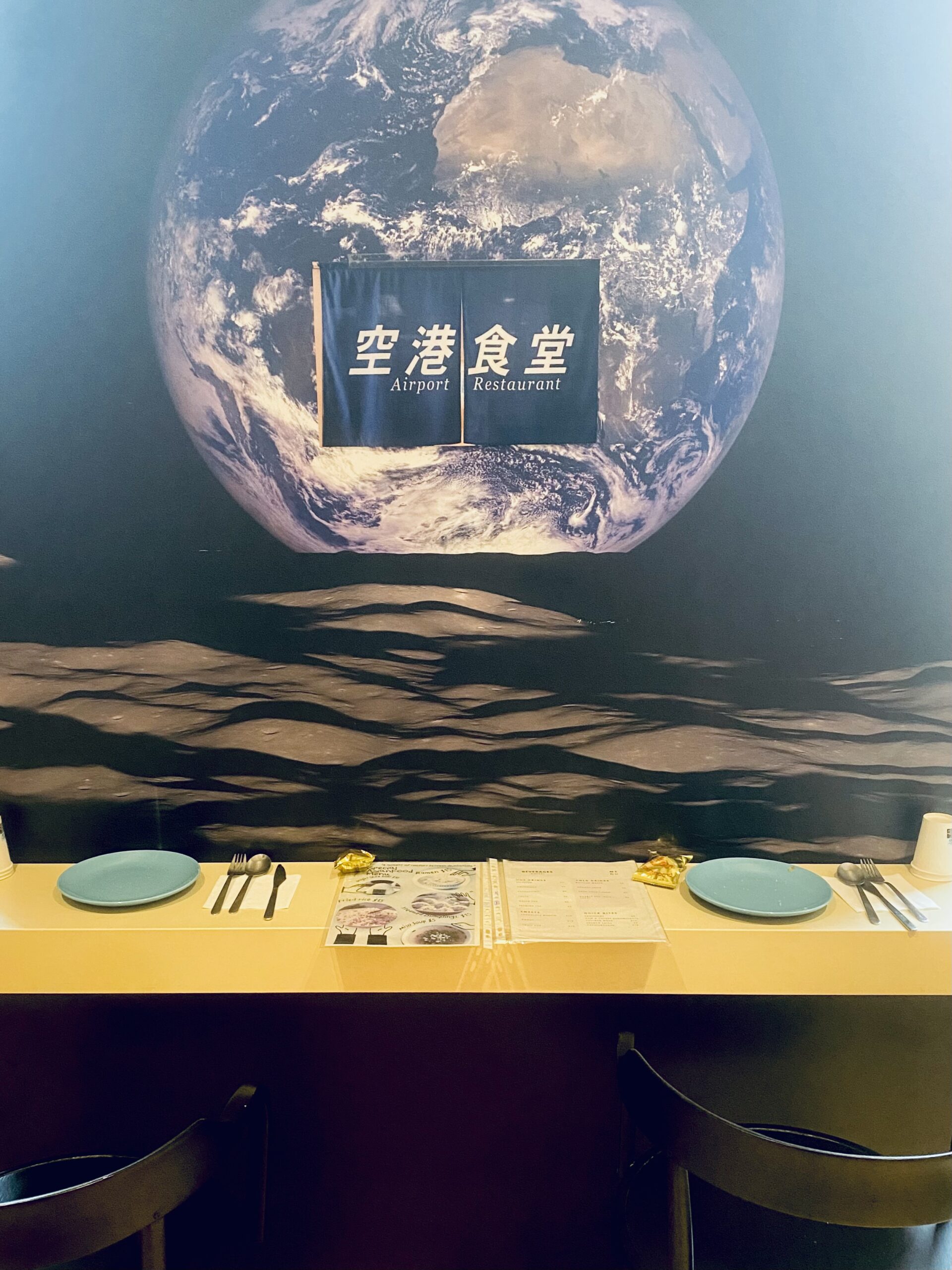
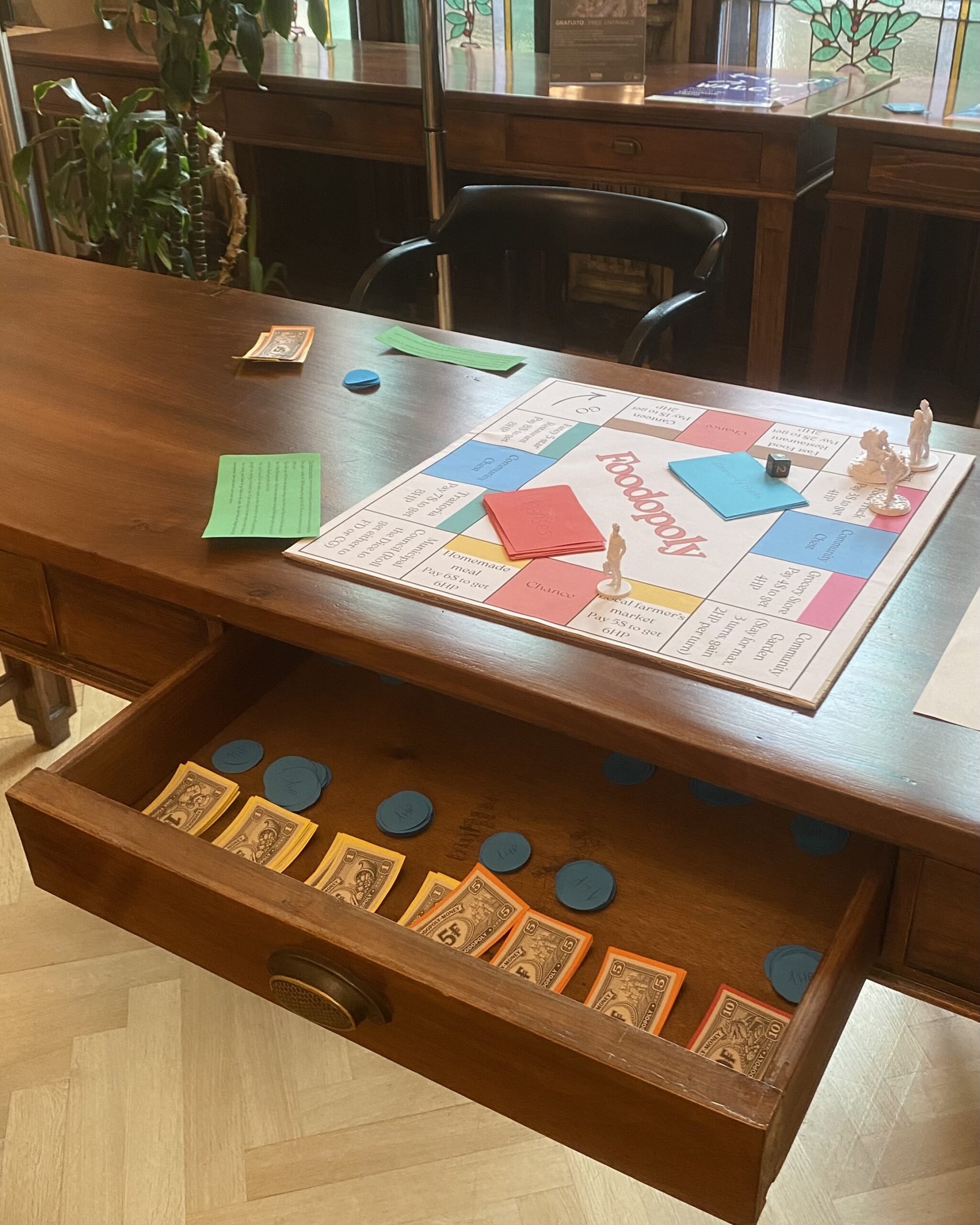
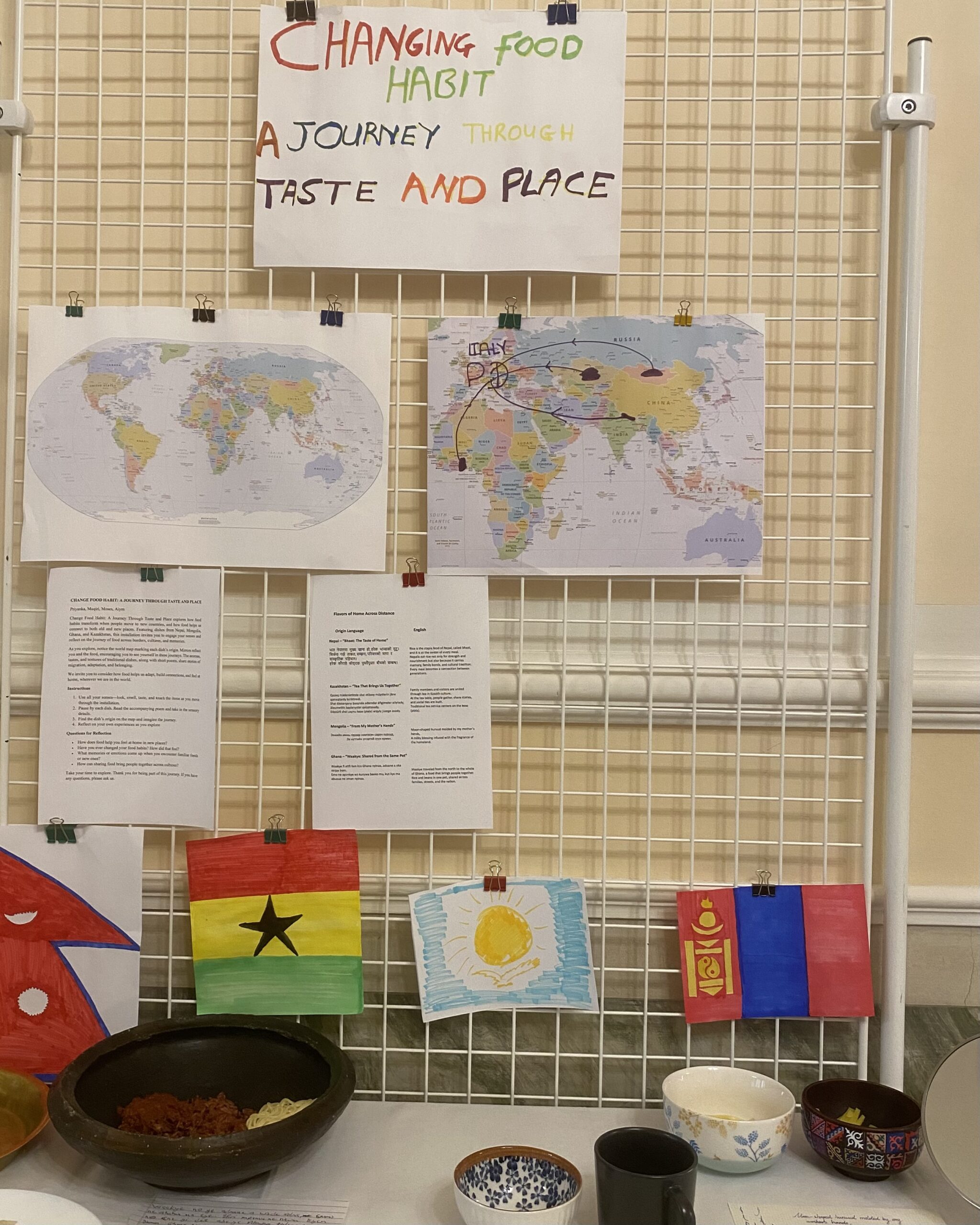
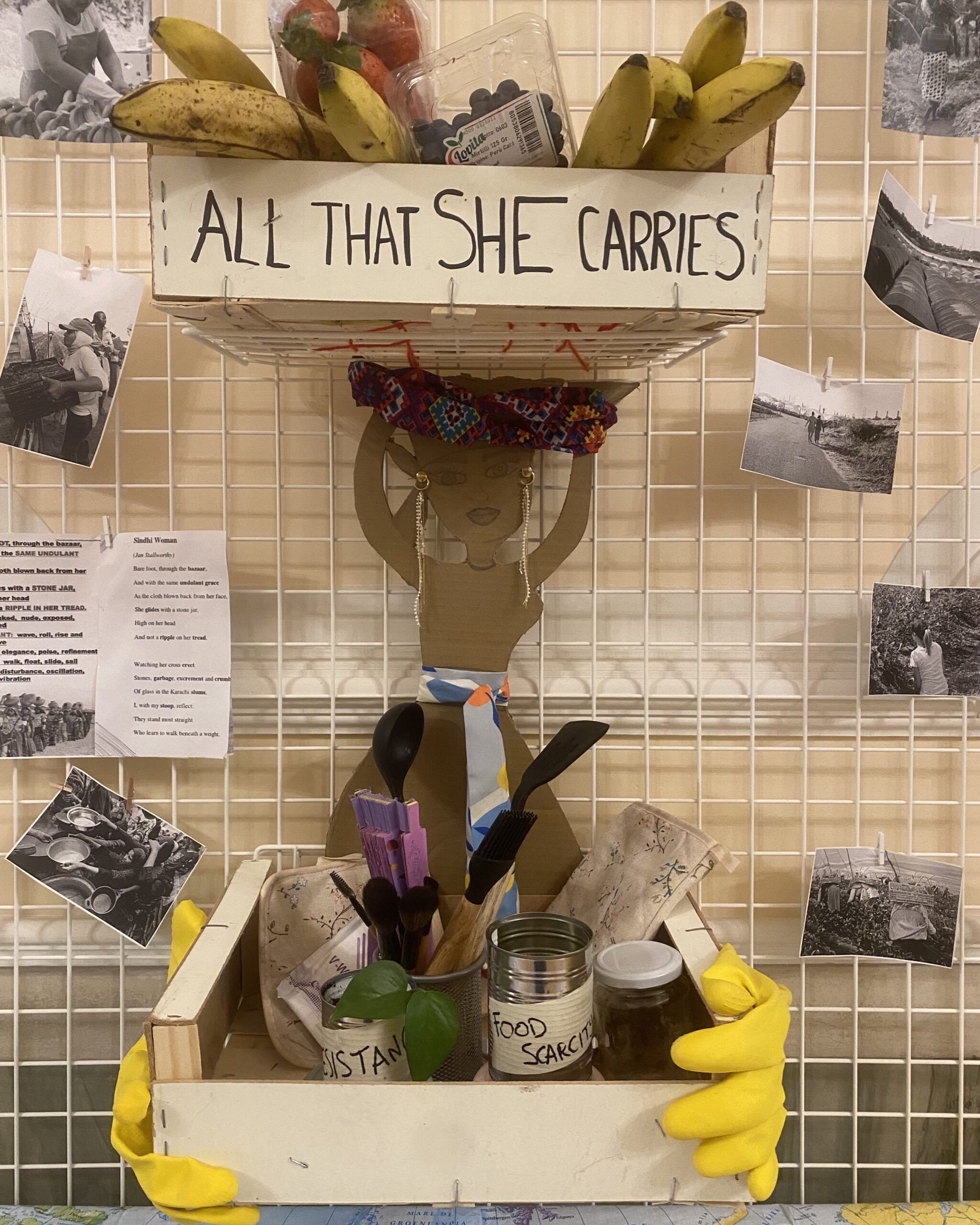
Curated by Chiara Rabbiosi and Ginevra Montefusco, the Questioning Food, Mobilities, and Development exhibition will open on February 6 at 09.30 am and will be open to the public until February 8, 2026 at the Museum of Geography, Palazzo Wollemborg, Via del Santo 26, Padova.
Representing the culmination of the Space, Place, and Mobility course unit, this exhibition showcases a rich and creative learning journey developed in collaboration with students from the Local Development and Mobility Studies Master’s programmes. It is also connected to the activities of the Food Communities Empowerment research group and forms part of the activities conducted within the Post-development Geographies of Local Food Systems: Community-Based Networks Addressing Food Insecurity PRIN 2022 PNRR project, which is funded by the European Union – NextGenerationEU.
Starting from the core geographical concepts of space, place and scale, the exhibition progressively explores the multiple meanings of food ‘on the move’, including the material, symbolic, political and relational aspects. Designed as a pedagogical experiment, the exhibition is a result of an educational training integrating theoretical frameworks, empirical case studies, and creative experimentation.
The exhibition format translates this research and teaching endeavour into an open, participatory experience, demonstrating how creative methodologies can foster learning by doing while engaging wider audiences beyond the classroom and boosting the university’s societal impact.
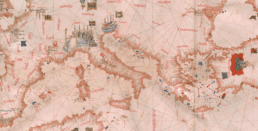
WelMovFem - Welfare on the Move: Female Mobility and Social Care Across the Early Modern Adriatic
WelMovFem - Welfare on the Move: Female Mobility and Social Care Across the Early Modern Adriatic
Marie Skłodowska Curie Postdoctoral Global Individual Fellowship (Dec 2024 – Nov 2027) supervised by Andrea Caracausi. Supported by the MoHu Centre and MobiLab.
The WelMovFem project explores the interrelation between human mobility and access to pre-modern welfare within the Republic of Venice (from the 16th to the 18th century).
The overall objective is to highlight the role of migrant women as both providers and recipients of social protection, focusing on their translocal networks and possessions. Could their geographical mobility influence their capacity to demand certain rights, or otherwise affect the institutions’ abilities to verify the legitimacy of their claim? To answer this question, the research is not limited to urban charity institutions, but encompasses various forms of aid that moved between Venice and its Eastern Adriatic domains (e.g., financial aid, inherited possessions, dowries, and slave ransoms). The project combines quantitative analysis with in-depth source analysis in order to uncover the significance of women’s material resources in empowering kinship, family, and community ties even across great distances. Through the adoption of an interdisciplinary approach, which brings together gender history, mobility studies, and digital humanities, the WelMovFem project will result in an innovative and ambitious vision of social care in a region that connects various facets of European culture. The project’s ultimate aim is to enrich ongoing discussions about migrants’ rights from a historical perspective, enabling EU policymakers to have a long-term view of the current migratory phenomena and raising EU citizens’ awareness of these global issues. The researcher’s mobility between various academic settings (the US, Italy, and Croatia) is enabling her to develop new interdisciplinary skills, expand her social and professional networks, and enhance her career opportunities in academia and beyond.
https://cordis.europa.eu/project/id/101153667
MSCA Fellow:
Teresa Bernardi
Research Perspectives between Digital and Traditional Historiography International conference, Turin, 23-24 November 2026 | Exploring Women’s Networks in the Early Modern Period
Convenors: Alessandra Celati, Teresa Bernardi, Eleonora Cappuccilli
This panel aims to explore women’s social networks in the long Ancien Régime (15th–early 19th century), examining their forms, functions, and transformations through a dialogue between traditional historiography and digital and computational approaches. The call invites contributions that combine the analysis of case studies with methodological reflections to investigate how women built, used, and interpreted social relationships in different historical and geographical contexts, and how such networks can be reconstructed and studied today.
deadline: 25 February 2026
4Th International Workshop of the ERC CoG MICOLL. Merchants' Routes 2.0. From Archives to the Web
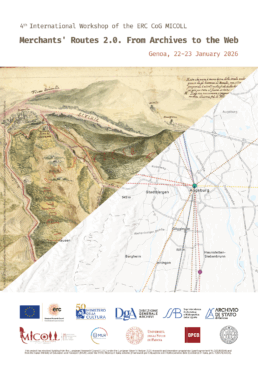
4Th International Workshop of the ERC CoG MICOLL.Merchants' Routes 2.0. From Archives to the Web.
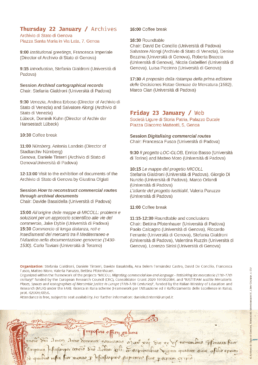
Il MobiLab ha preso parte al 4th International Workshop dell’ERC COG MICOLL, intitolato “Merchants’ Routes 2.0. From Archives to the Web“, che si è tenuto a Genova nei giorni 22 e 23 gennaio 2026.
L’evento, organizzato in collaborazione con l’Archivio di Stato di Genova e l’Università degli Studi di Padova, ha esplorato il passaggio cruciale dai documenti d’archivio alla loro valorizzazione digitale sul web. Il workshop ha rappresentato un’importante occasione di confronto internazionale tra direttori di archivi (Venezia, Lubecca, Norimberga e Genova) e ricercatori, focalizzandosi sull’uso della cartografia storica e delle tecnologie digitali per la ricostruzione delle rotte commerciali.
Il contributo si è svolto nella sessione dedicata alla digitalizzazione delle rotte commerciali. Stefania Gialdroni, Giorgio Di Nunzio e Marco Orlandi hanno presentato un intervento dedicato a “Le mappe del progetto MICOLL“.
La relazione ha illustrato come le tecnologie digitali e l’approccio scientifico alle vie del commercio permettano di trasformare i dati estratti dai documenti d’archivio in strumenti cartografici dinamici. Attraverso l’integrazione di competenze multidisciplinari, il lavoro presentato ha mostrato l’evoluzione delle mappe del progetto MICOLL e dell’atlante del progetto IUSTITIAM, sottolineando come la cartografia digitale sia oggi uno strumento essenziale per visualizzare e analizzare i flussi mercantili e la diffusione del linguaggio commerciale tra l’XI e il XVII secolo
MAR Mobile Art Residency public unveiling - 24 Jan 2026
MAR Mobile Art Residency public unveiling - 24 Jan 2026
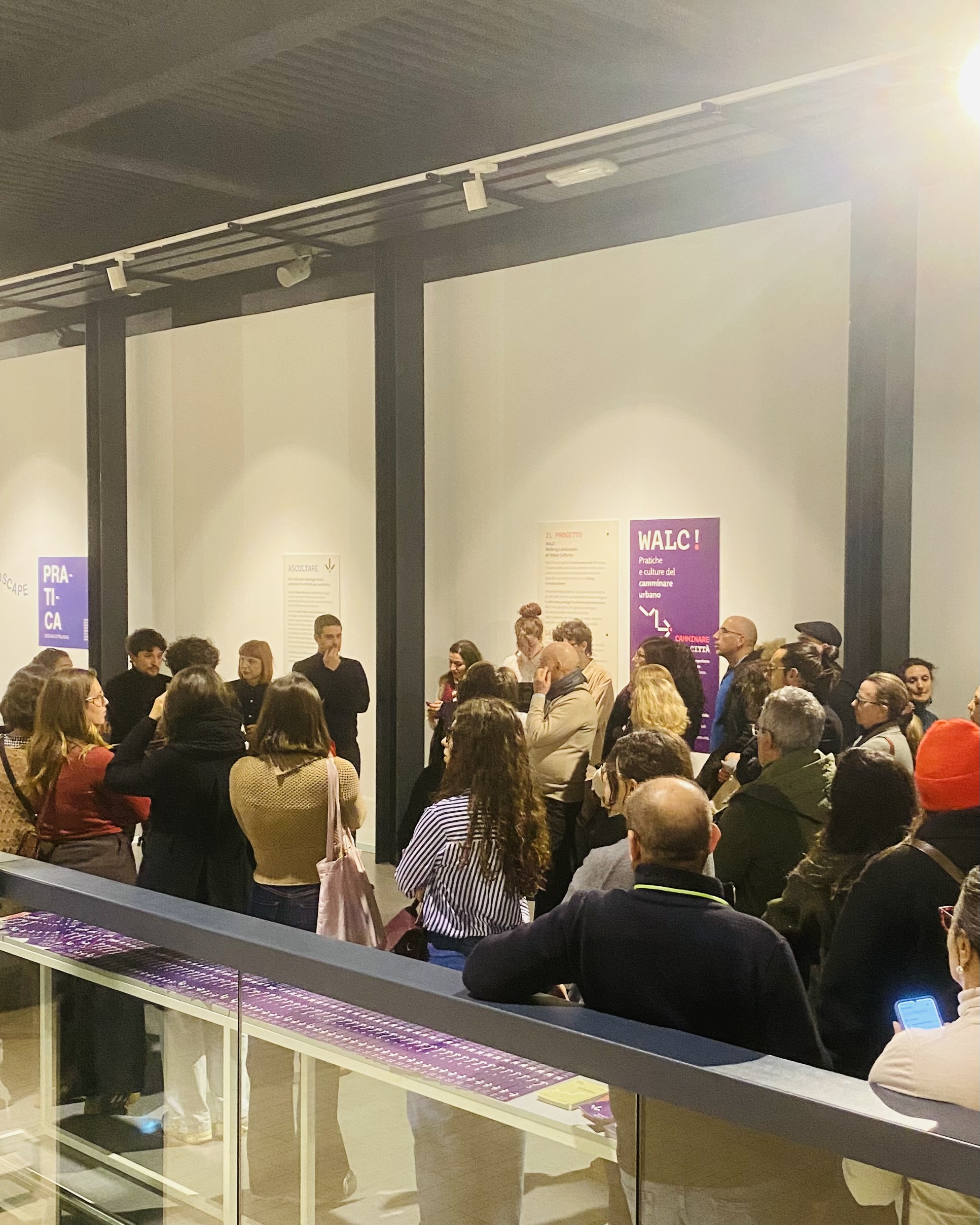
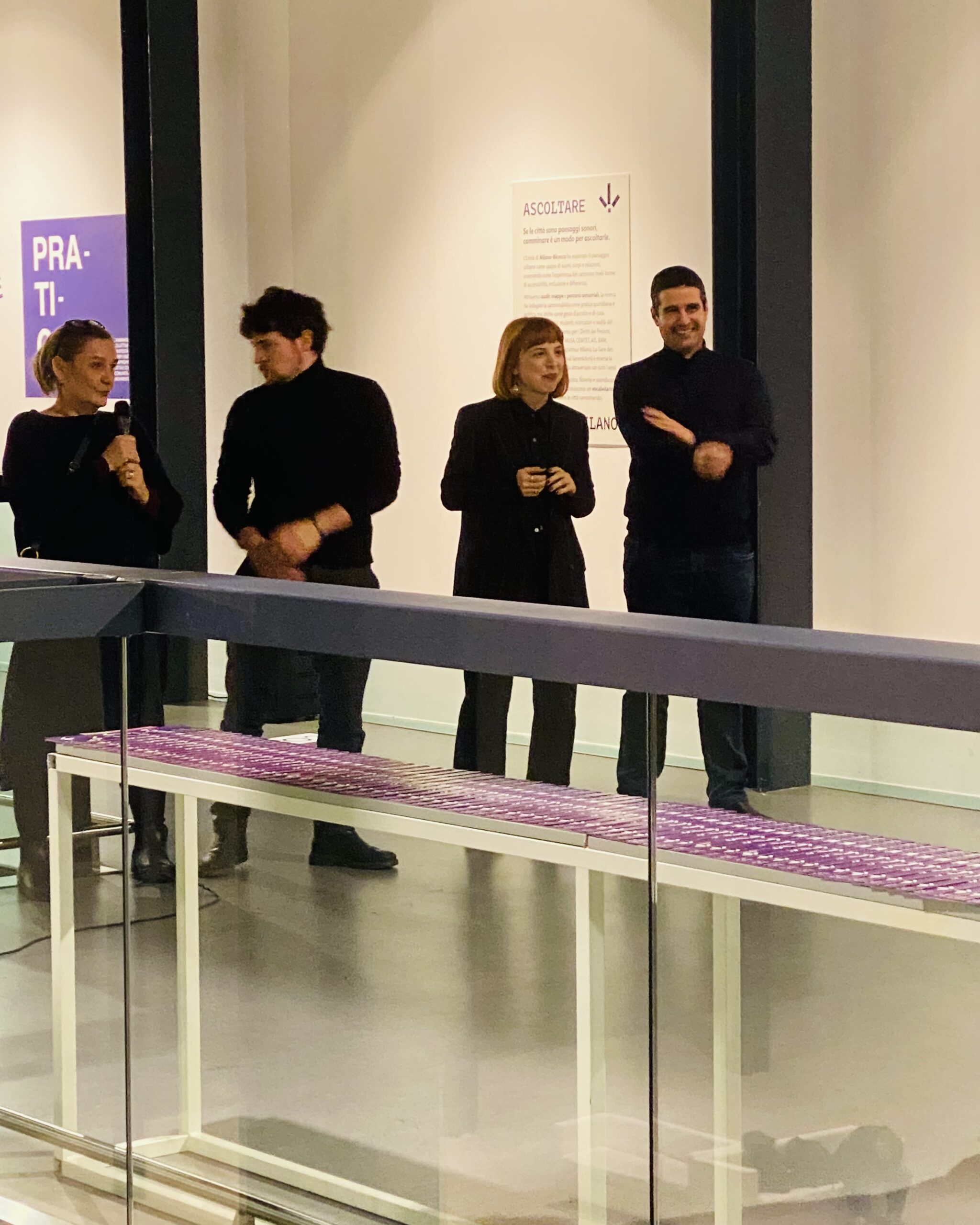
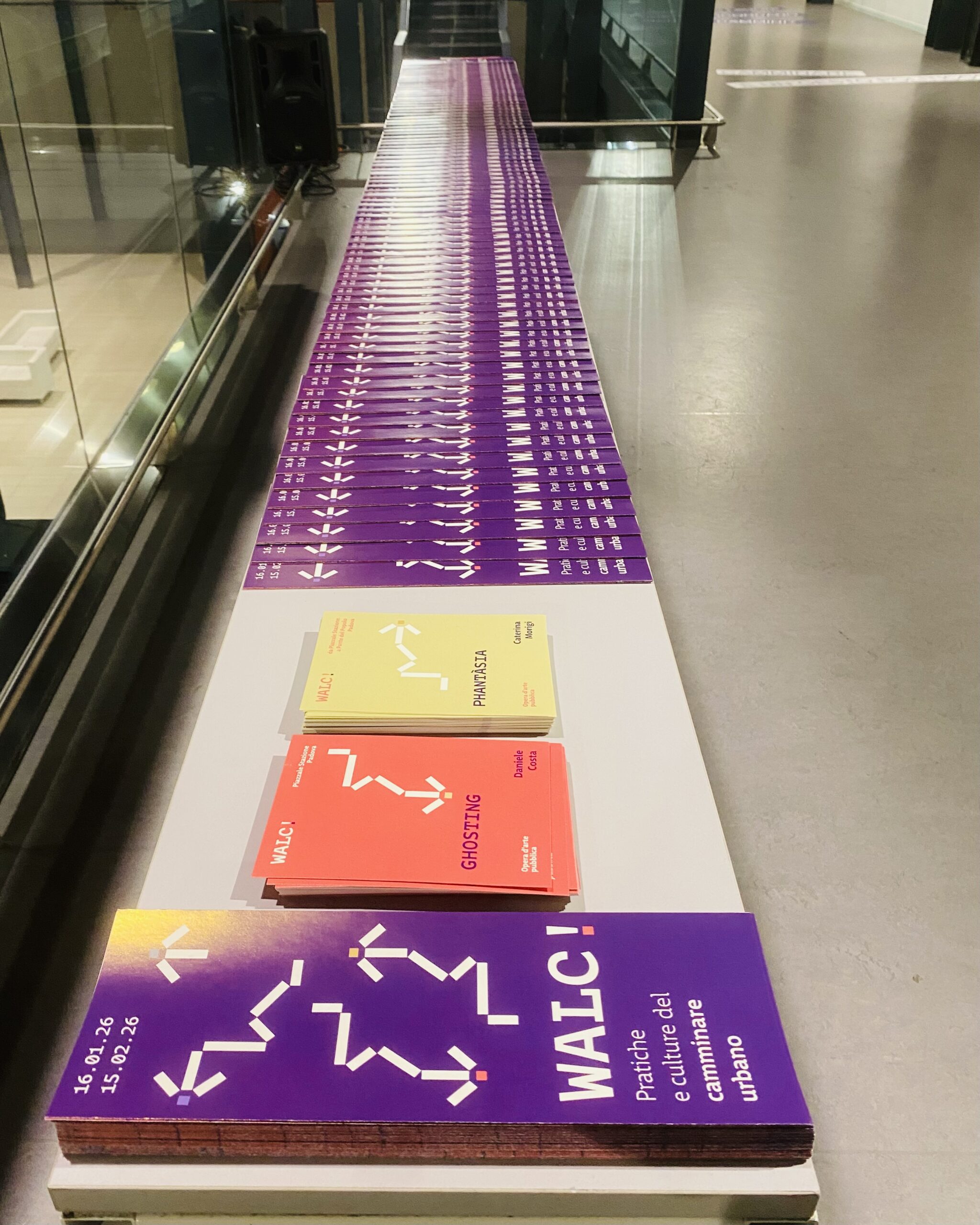
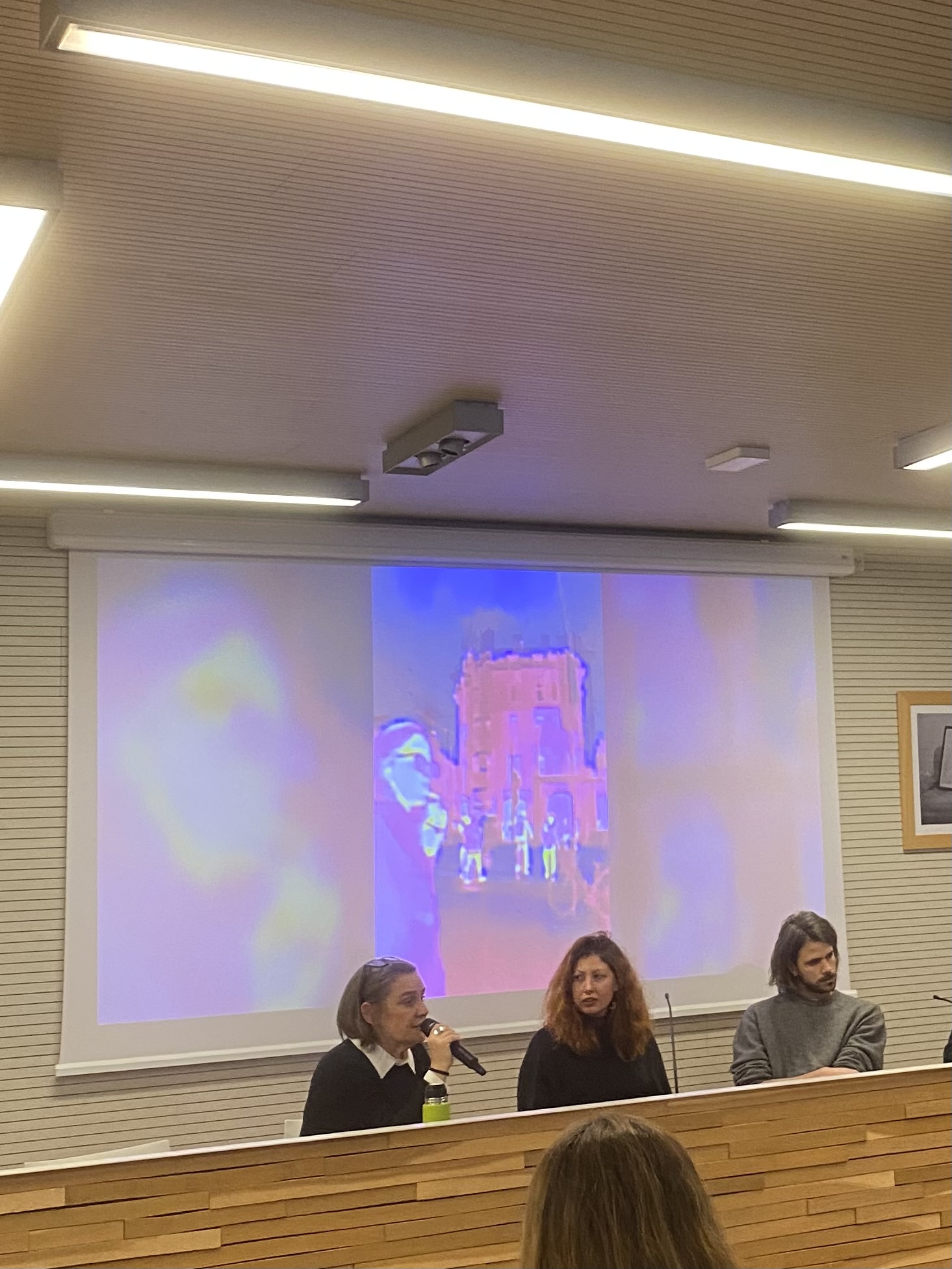
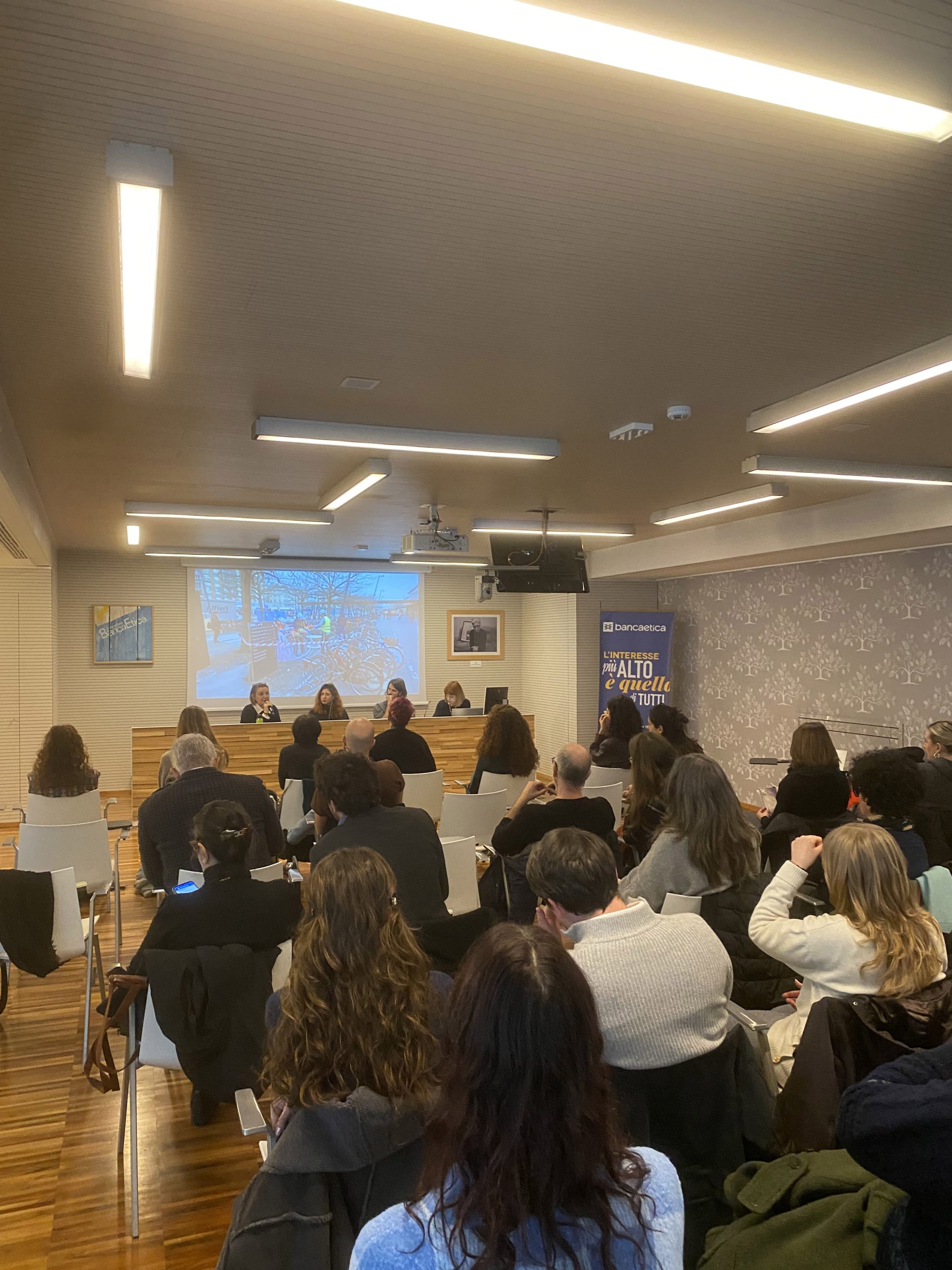
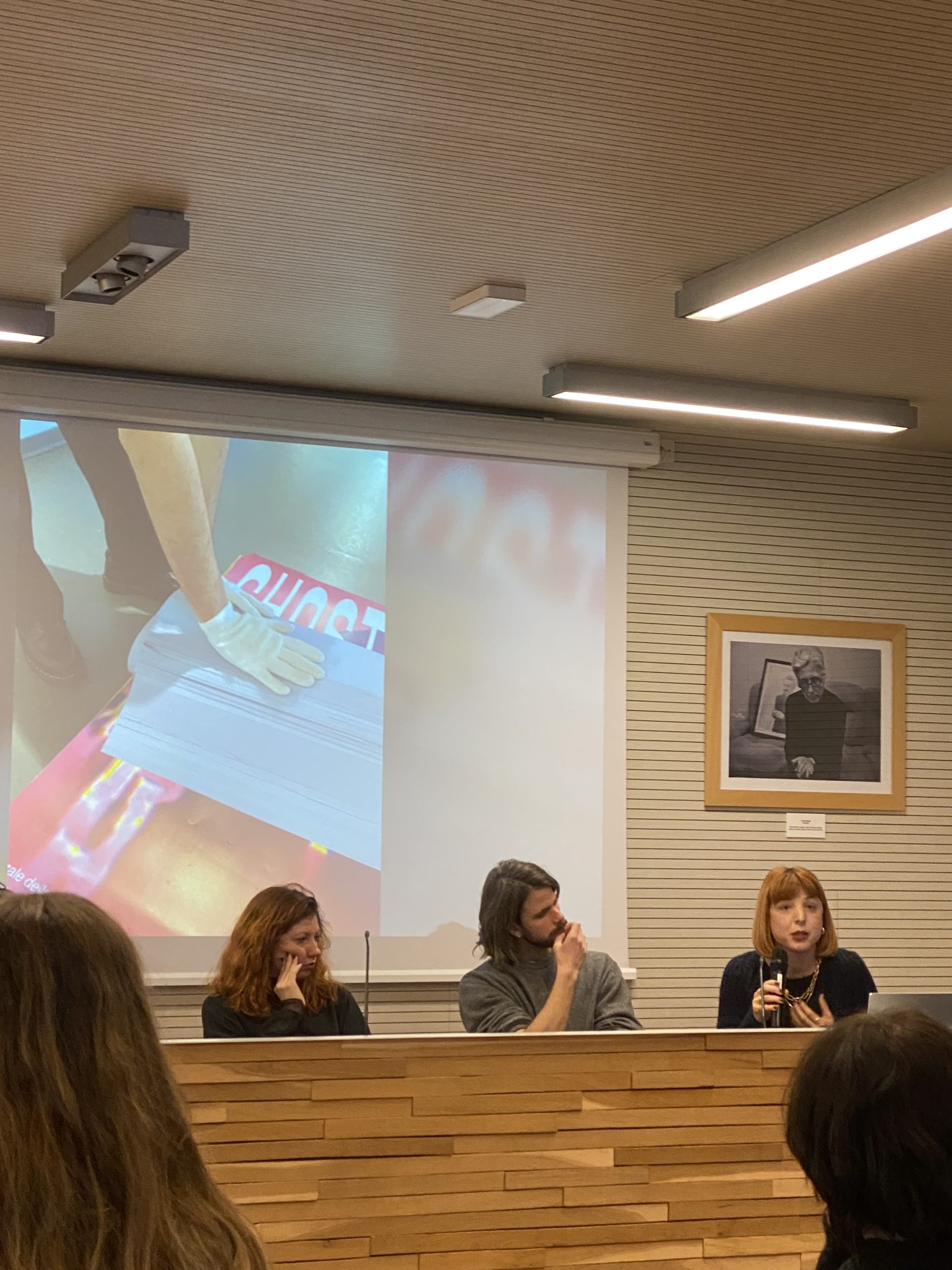
New Public Artworks Unveiled in the Station Area. On January 24th, the Peppino Impastato Hall at Banca Etica (via B. Cairoli 6) hosted the official presentation of two new site-specific public art installations as part of MAR – Mobile Art Residency, a key section of the WALC! Project, based at MoHu in collaboration with the Municipality of Padua – Progetto Giovani, Area Creatività.
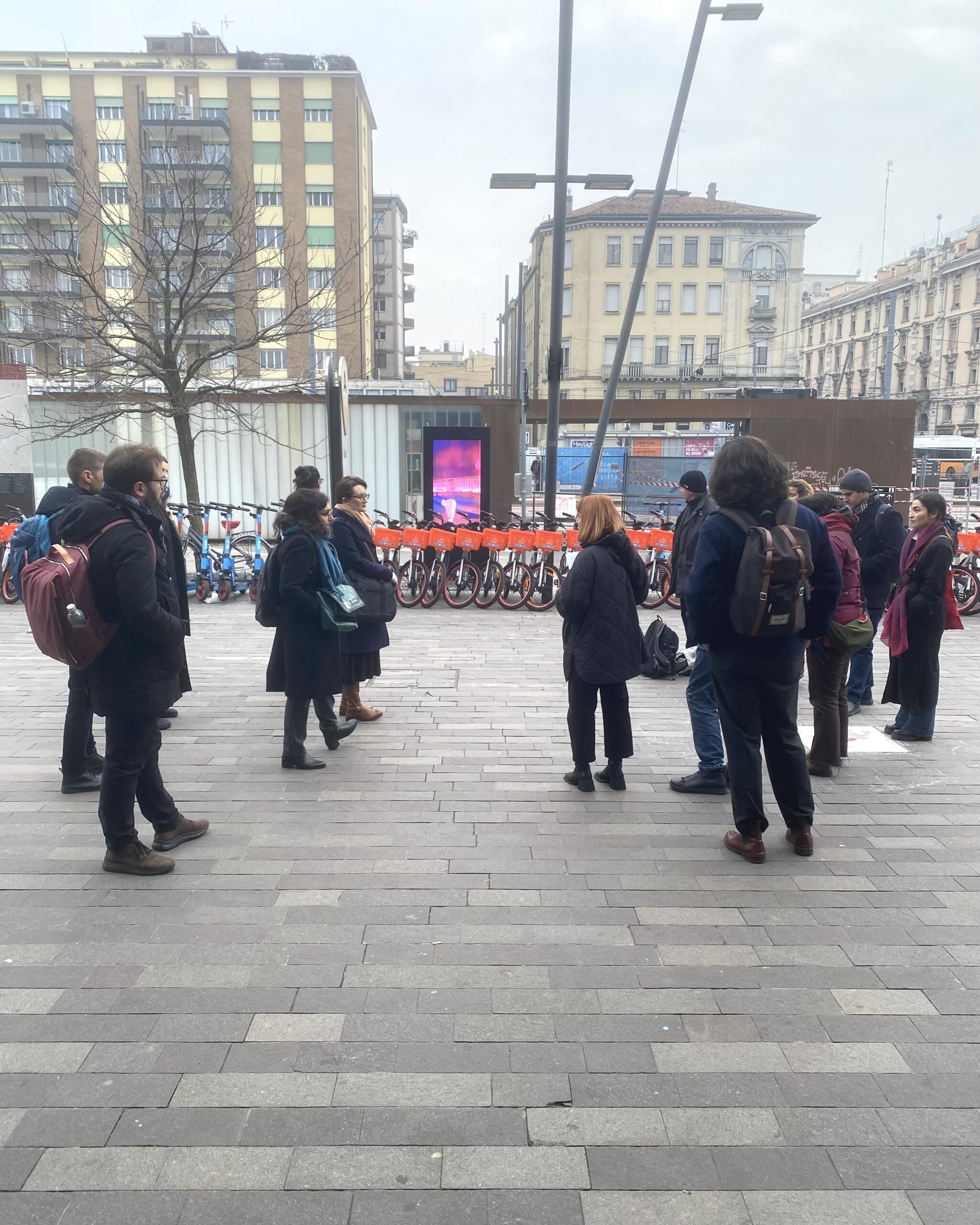
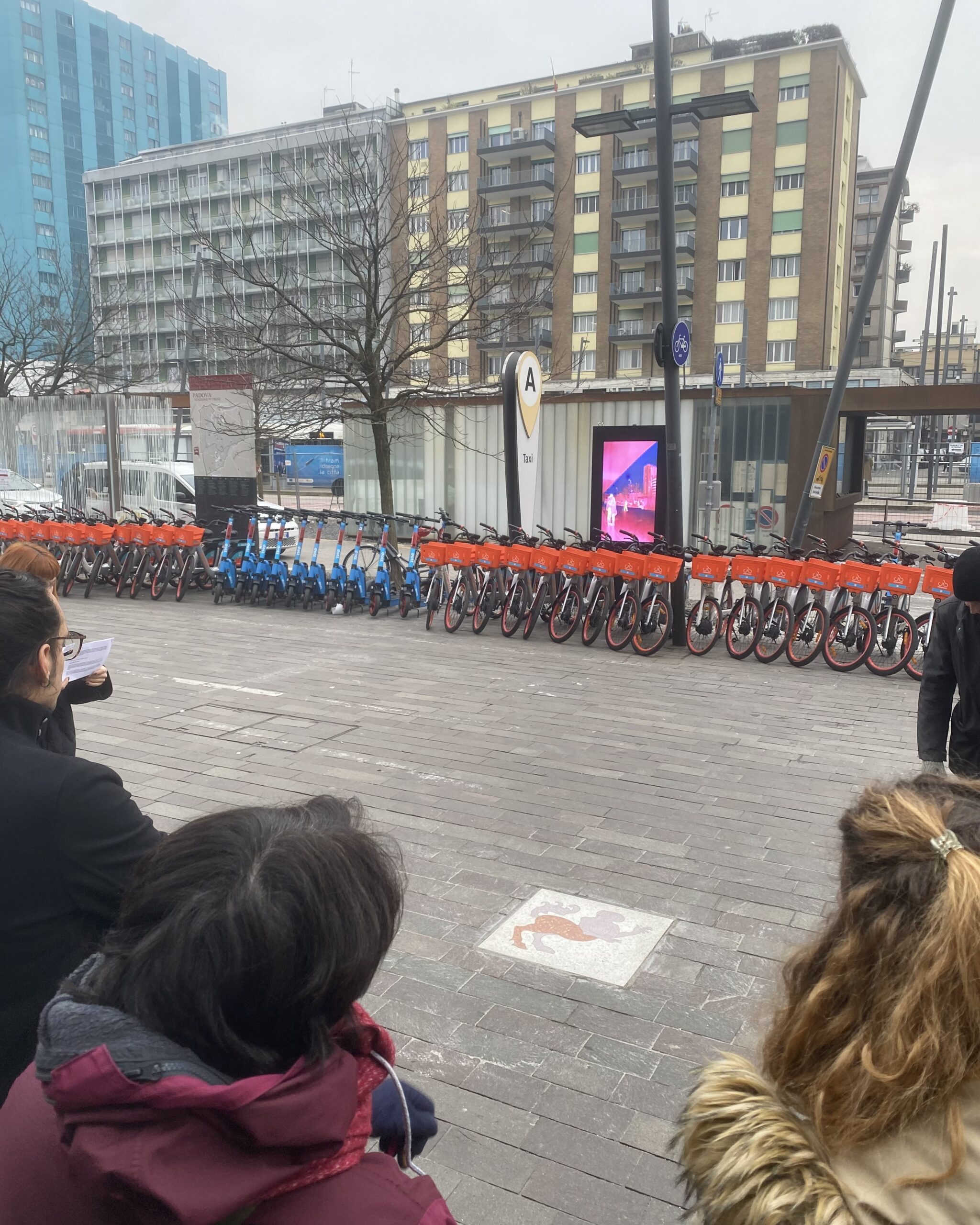
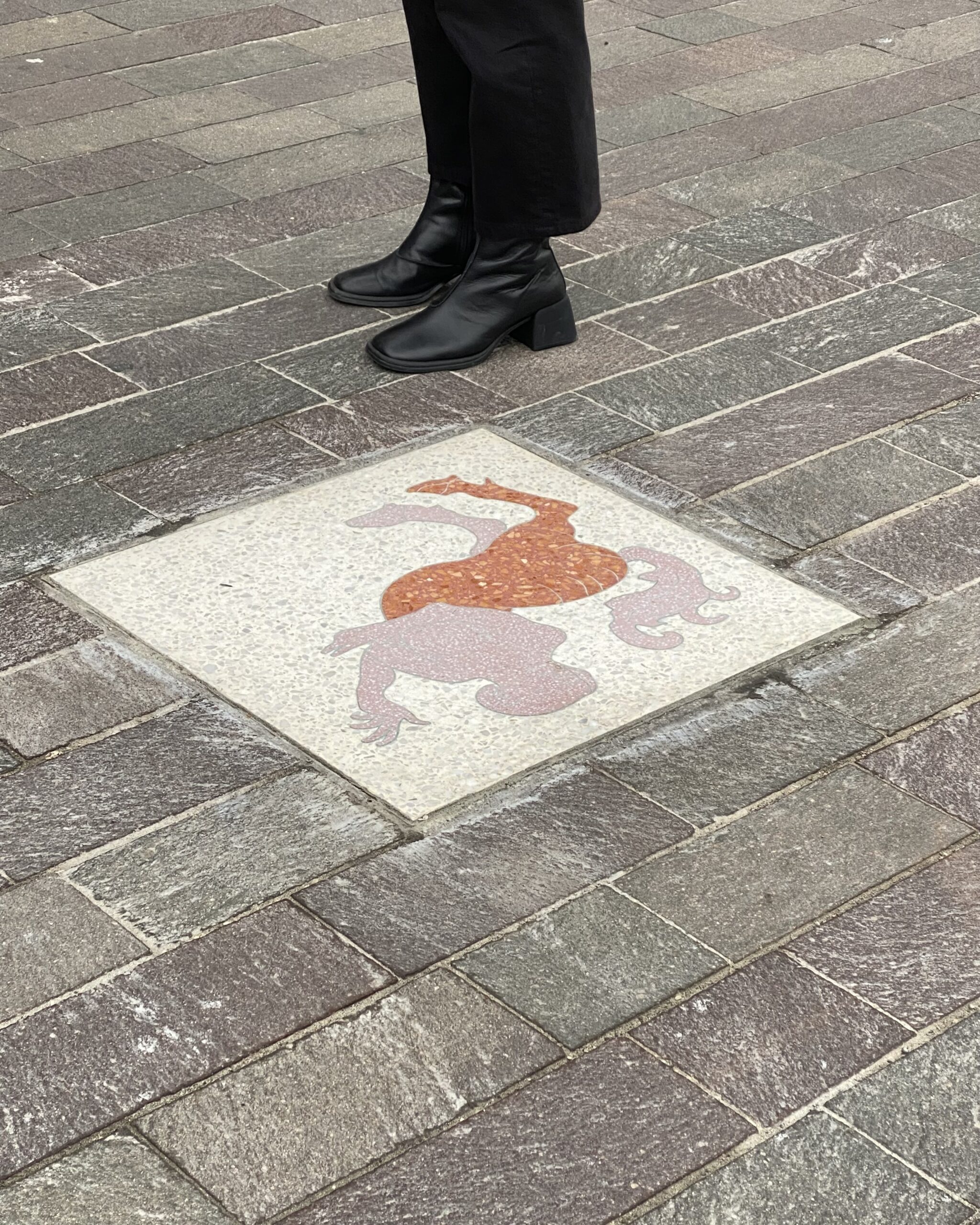
The works, created by artists Caterina Morigi and Daniele Costa, are now permanently embedded in the urban fabric of the station district, where they engage in a dialogue between geography and contemporary art.
Both installations explore themes of mobility, gesture, trajectories, and the relationships between bodies and matter, reflecting on the complexity of the neighbourhood. They are the result of an extensive research process in which the artists approached urban walking as a practice to question the context and its ongoing transformations.
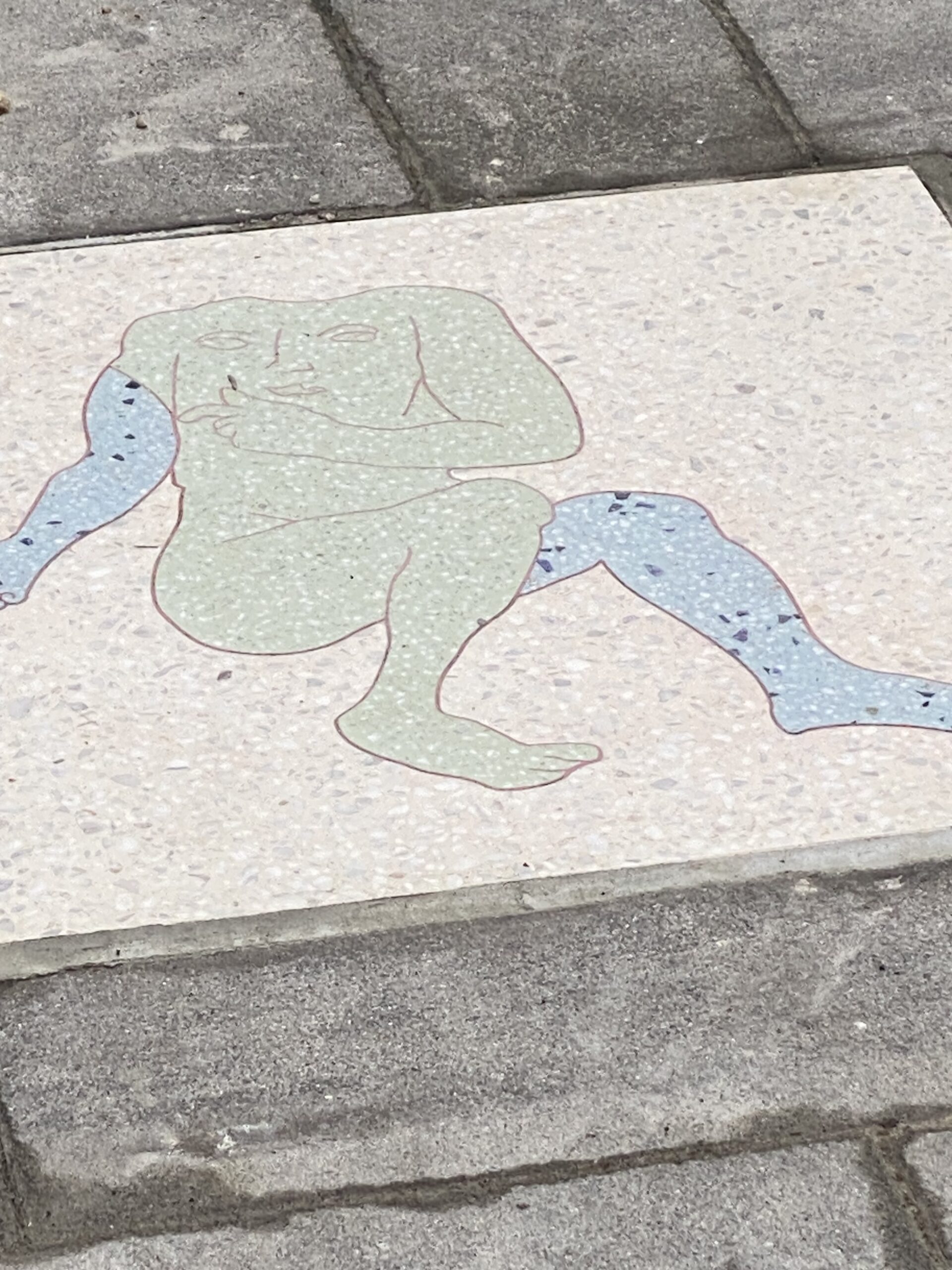
MAR - Station Area Public Artworks
MAR - Station Area Public Artworks
MAR – Mobile Art Residency is the section of WALC! that sees the creation of two public art installations in the station area of Padua, in a dialogue between geography and contemporary art.
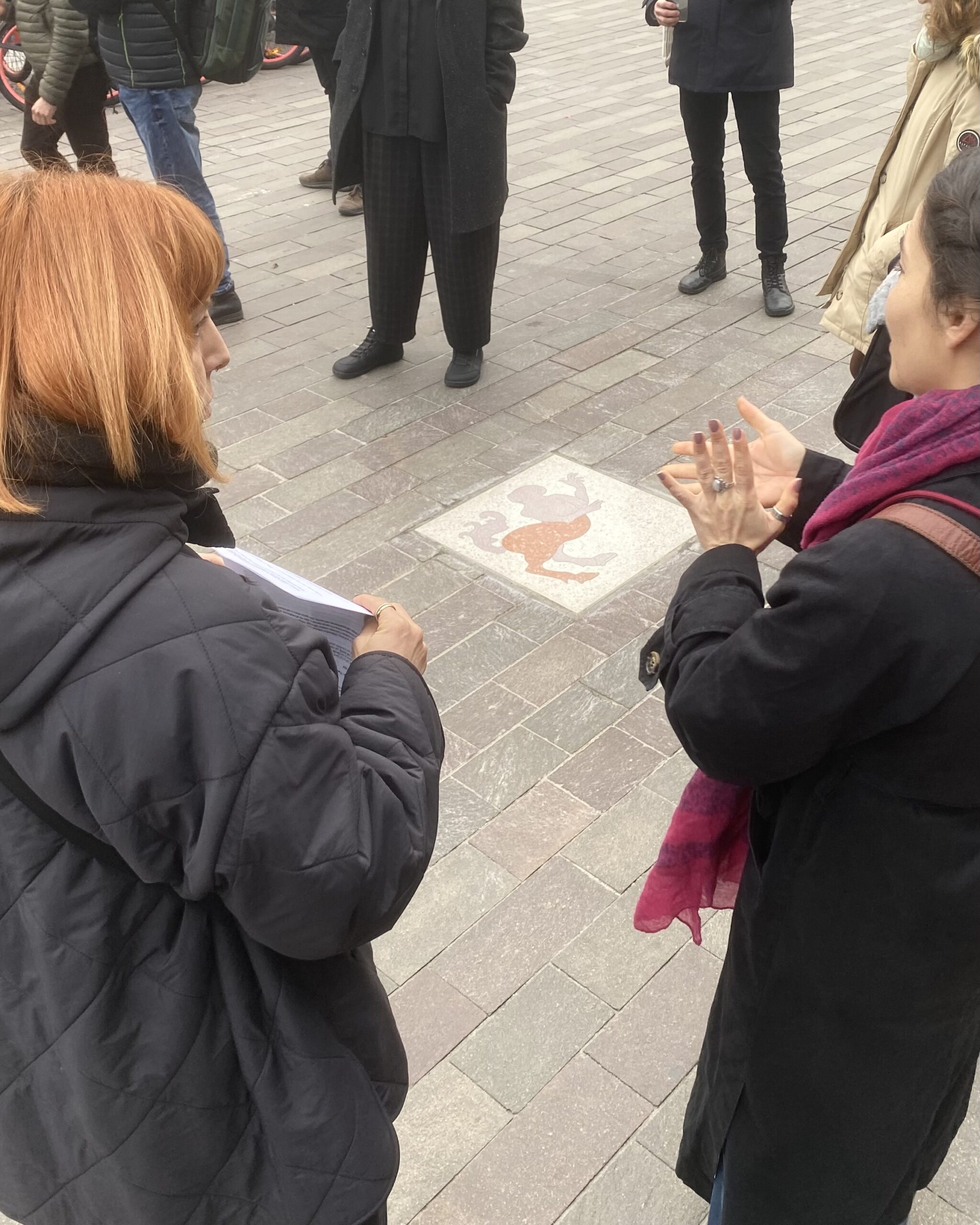
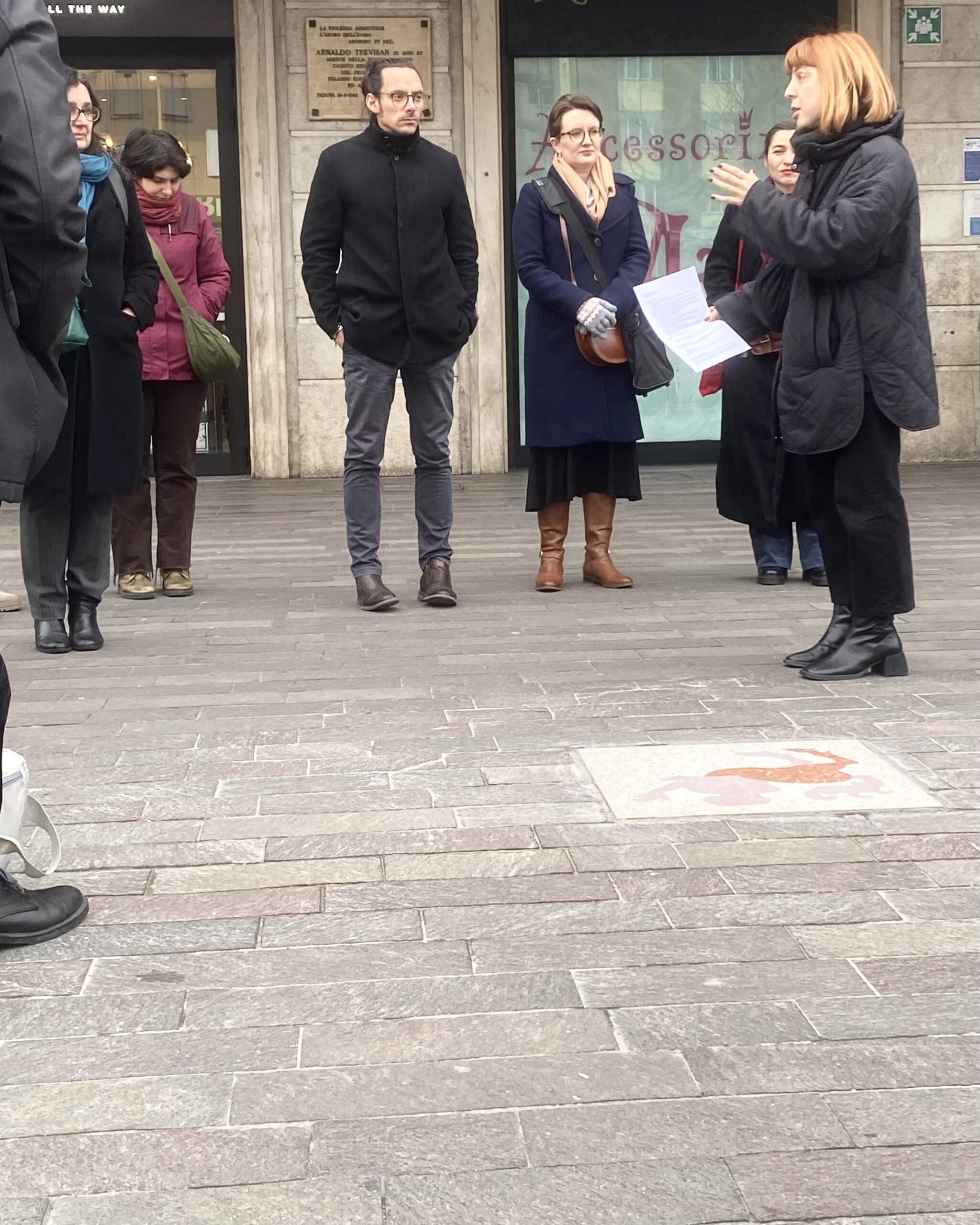
On the sidelines of the conference “Urban Mobility Cultures: Creative and Narrative Approaches to Moving in the City” organized by MoHu together with the WALC project on January 15-16, 2026, participants were able to preview the works under the guidance of Giada Peterle, PI of the Paduan unit of the project.
On January 24 at 11:30 a.m., the context-specific works by Caterina Morigi and Daniele Costa will be presented in the Peppino Impastato Room of Banca Etica. Then they will remain as permanent marks on the city’s skin.
The two installations explore mobility, gestures, trajectories, and relationships between bodies and matter in the complexity of the neighborhood. The works are the result of a long process of exploration, which saw the artists articulate the theme of urban walking as a practice for questioning the context and its transformations. The works will also dot an ongoing path of works in the public space of the station area, created by mid-career contemporary artists, already launched in 2022 by the Creativity area of the Progetto Giovani Office of the Municipality of Padua.
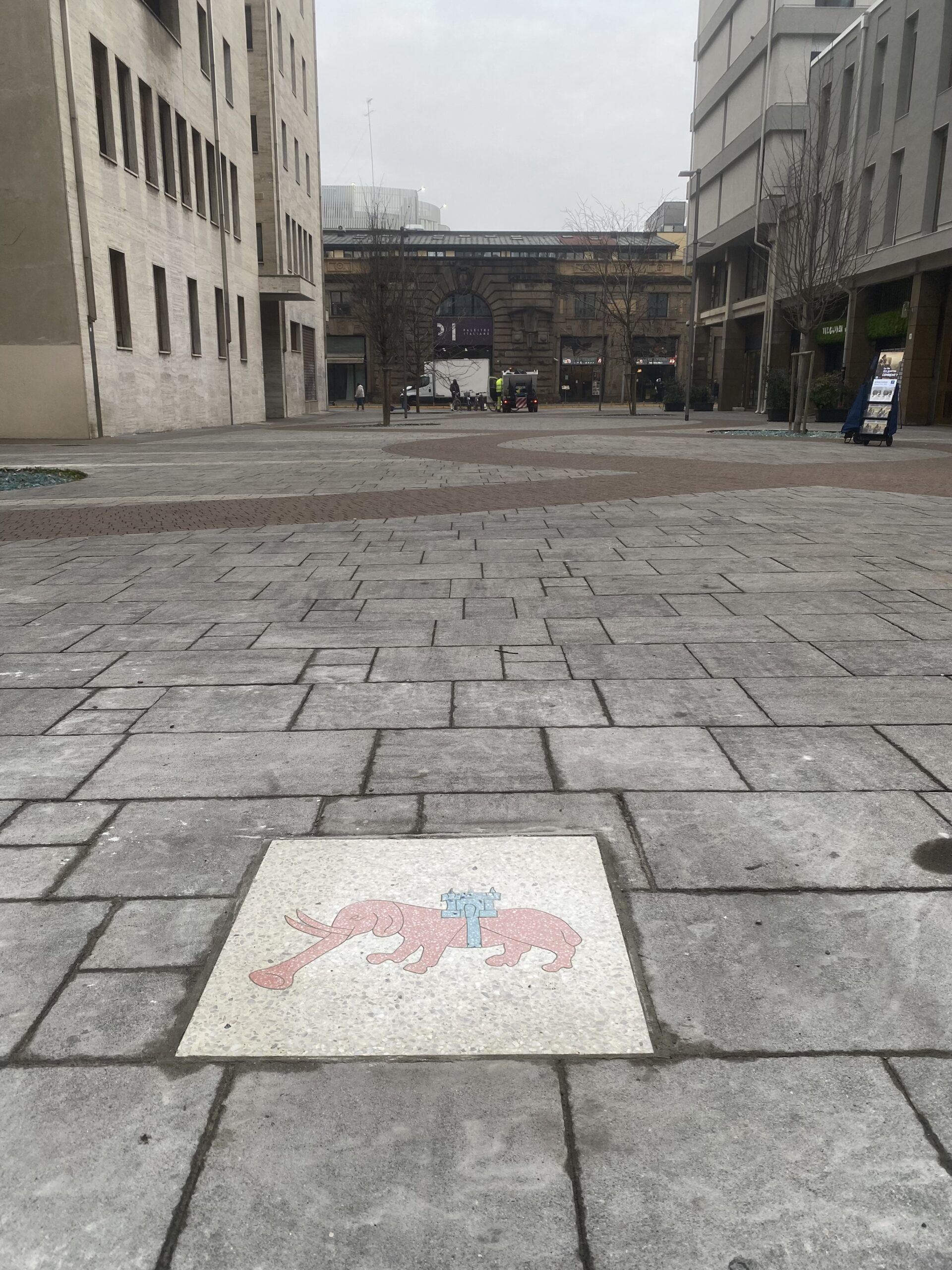
Phantàsia | Caterina Morigi
Drawing from the heritage preserved in the archive of the Museum of Geography at the University of Padua, Caterina Morigi creates a diffuse installation, composed of seven elements in terrazzo, positioned on the ground at various points in the station area. The work investigates the iconography of “creatures of the unknown”, legendary animals and fantastic figures that populated ancient maps of unexplored territories. Morigi approaches the contemporary urban space, generating a reflection on the theme of otherness and community coexistence, through a sensorial, emotional, and imaginative path.
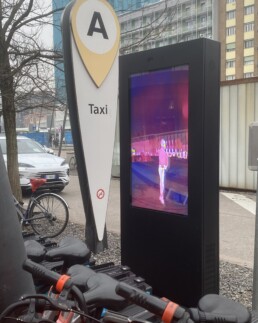
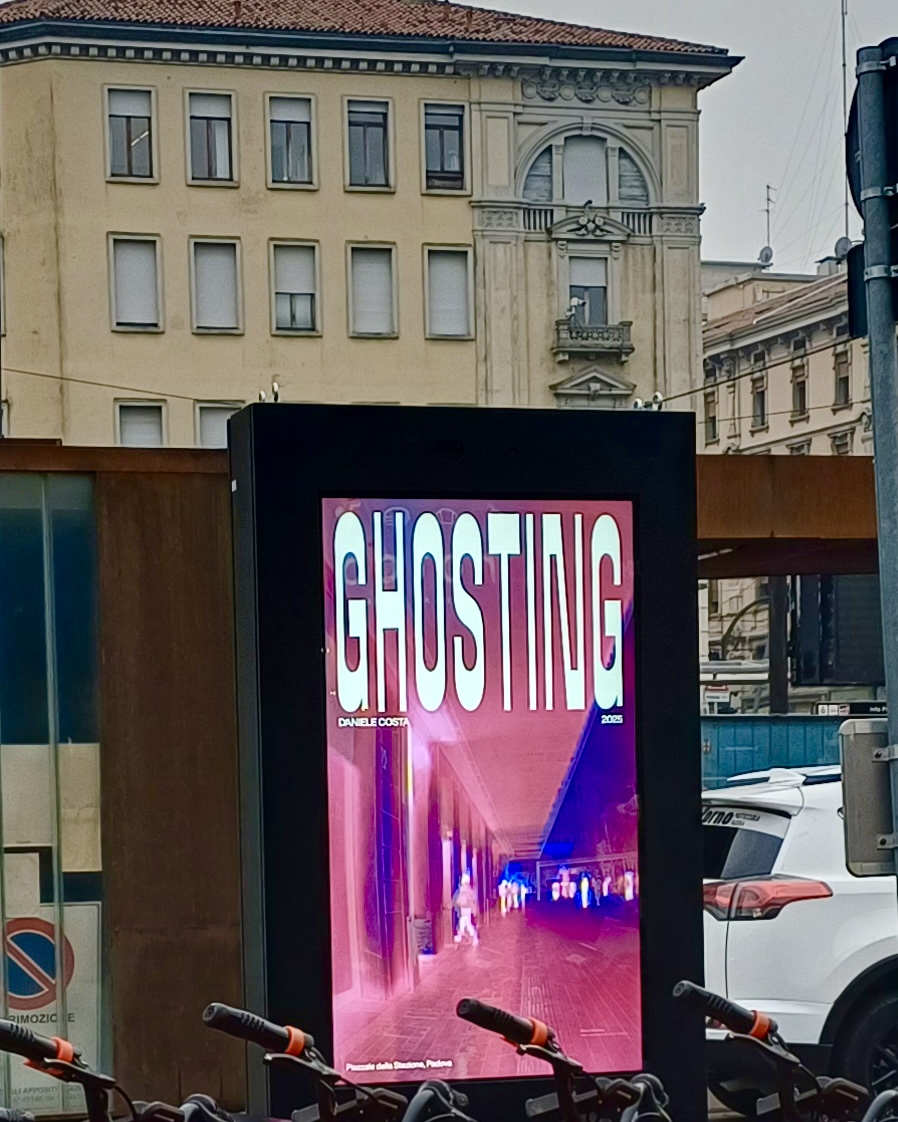
Ghosting | Daniele Costa
The video installation explores, through the use of thermography, the invisible world hidden beneath the surface. Daniele Costa investigates the thermicity of bodies that move through portions of territory, ephemeral traces that mix heat, movement, and color gradients. The dramaturgy by Laura Pante, who is portrayed while doing a performative walk, emphasises the ritual movements of commuters across the station area. The work generates a continously changing landscape of movements, and tells about phantasmatic presences in motion, where the void of absence and the fullness of presence alternate.
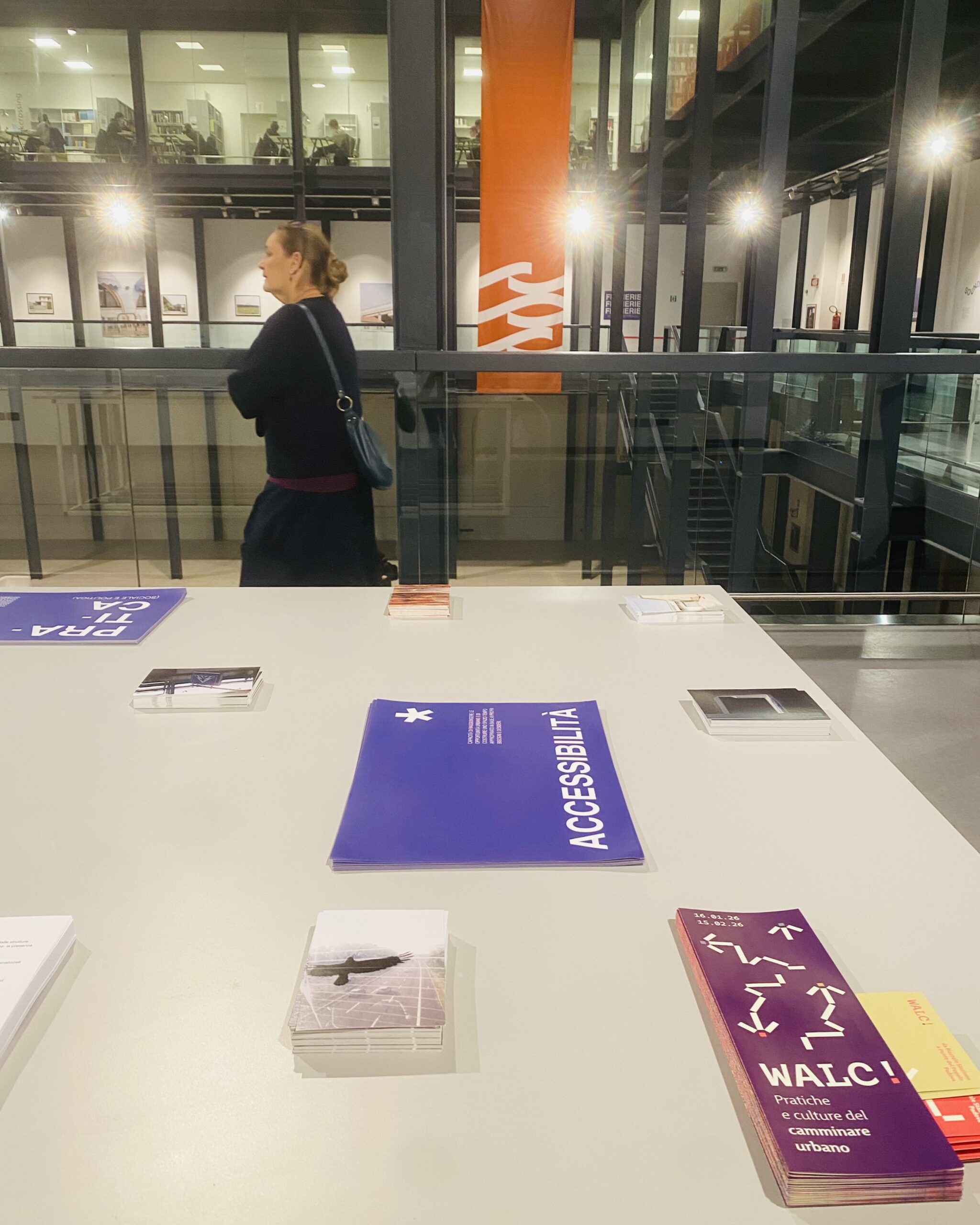
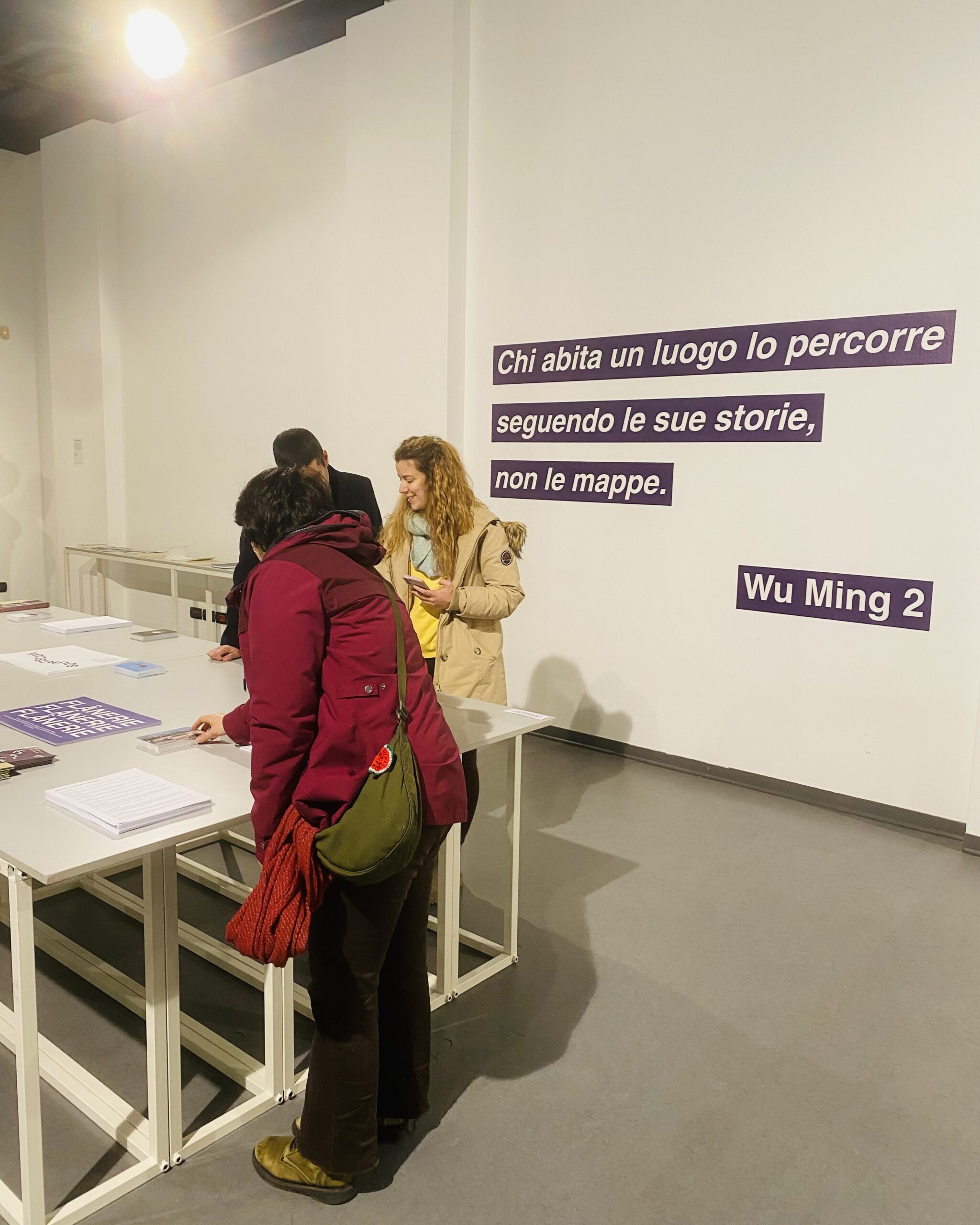
WALC! Final exhibition 16 Jan – 15 Feb 2026
WALC! Final exhibition 16 Jan – 15 Feb 2026
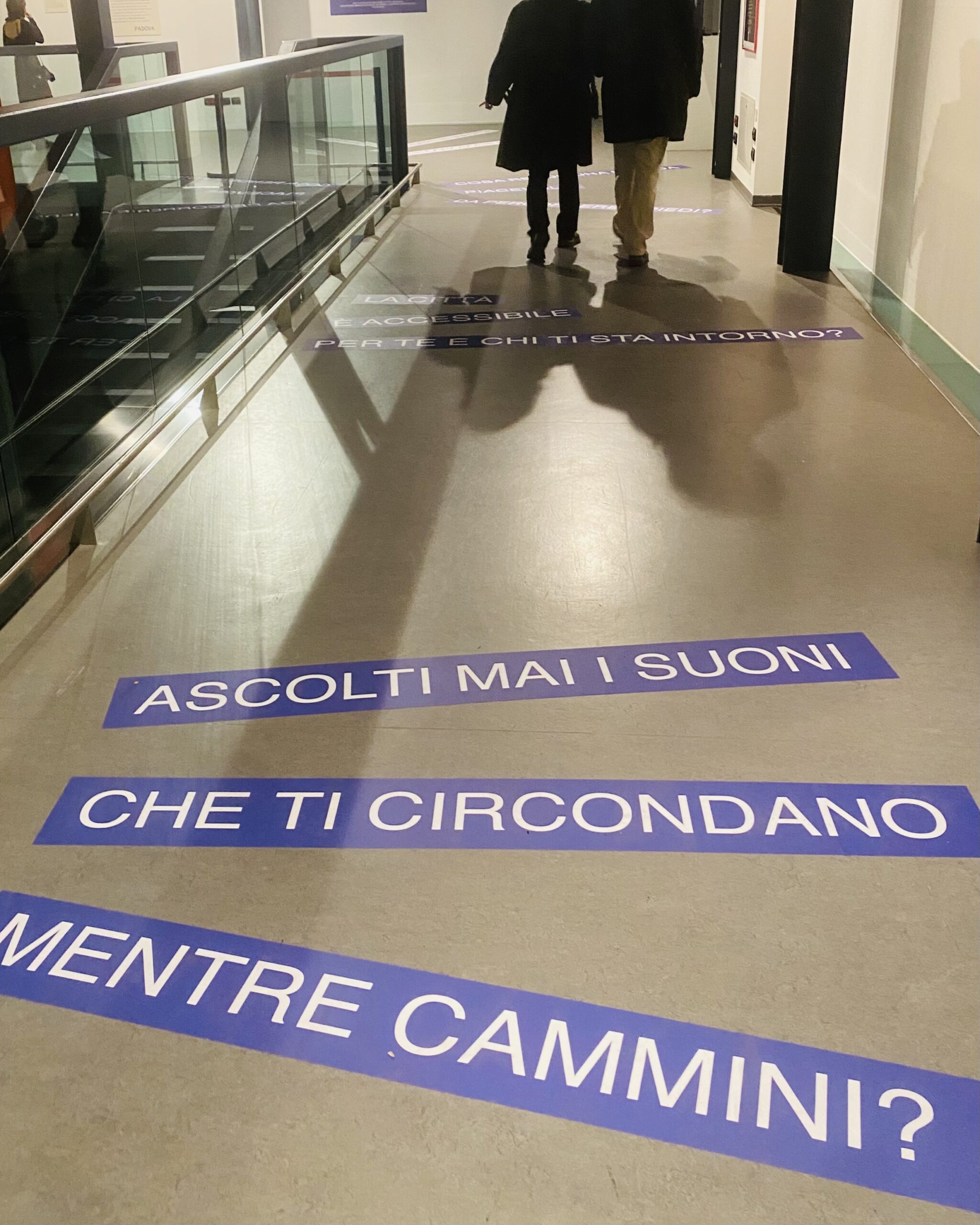
Walking is a way of observing that becomes an immersive experience of the city. It is an act of unveiling, capable of grasping, through urban metamorphoses, the signs of social and climatic change. It is also an act of rewriting, a tool for rethinking and designing urban space beyond established routes. Walking with the city and its inhabitants, human and more-than-human, is at once a political and poetic, social and intimate, critical and creative gesture. As a social practice, walking activates new communities in motion that are aware of the transformative potential of their own steps.
WALC! is an invitation to walk together in our cities.
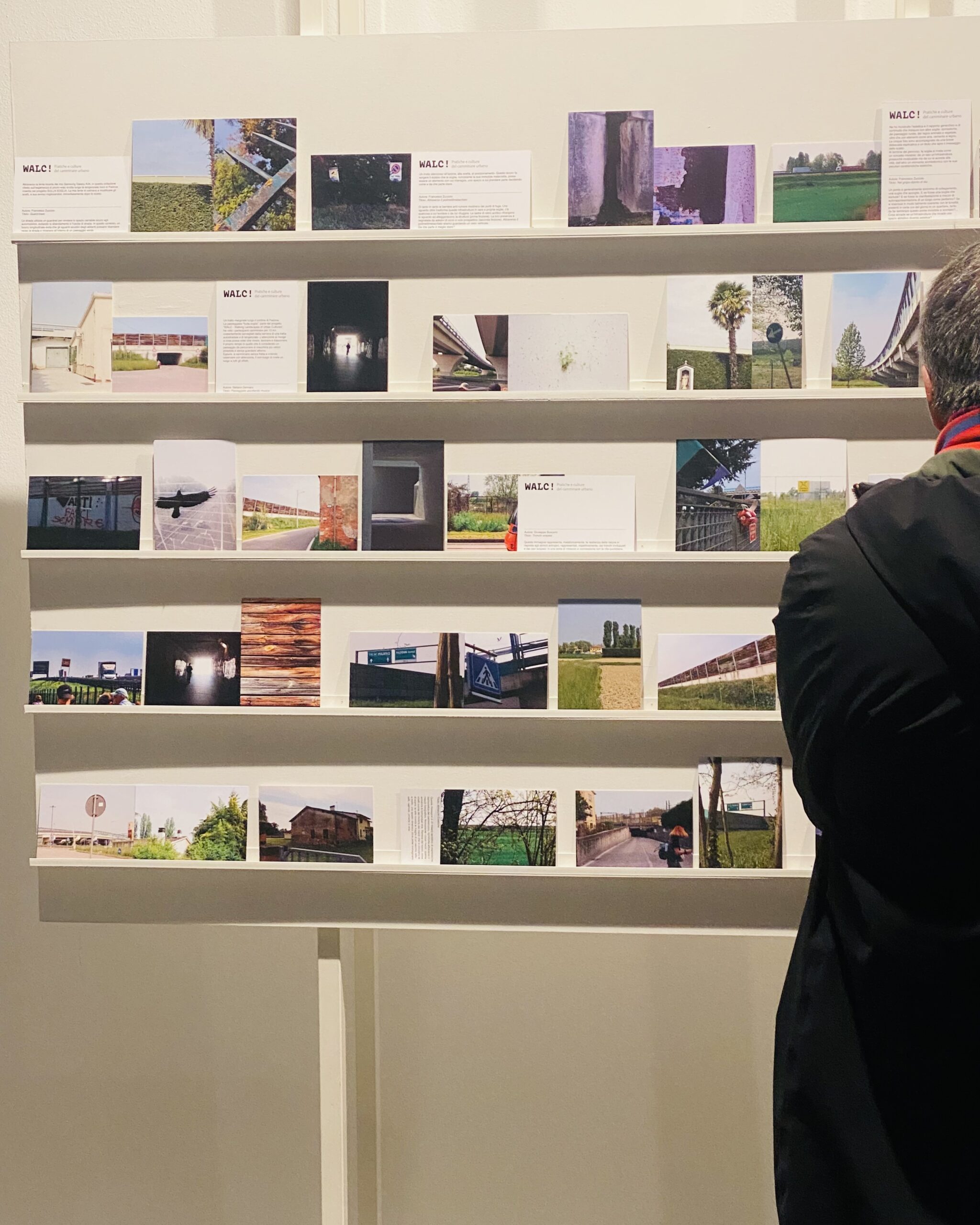
The exhibition WALC! is the outcome of the project Walking Landscapes of Urban Cultures, which involved the Universities of Bologna, Padua, and Milan Bicocca. Drawing on three different disciplinary perspectives, literary studies, cultural geography, and urban sociology, the research groups coordinated by Filippo Milani, Giada Peterle, and Luca Daconto investigated the complexity of urban walking cultures through transdisciplinary methodologies.
The exhibition itinerary winds its way through the transdisciplinary restitutions of the three research units, which have interpreted their cities as living laboratories for listening to, recounting, and imagining the cultures of urban walking.
Using different languages, each city contributes to the unveiling of new perspectives for those who walk in the city and observe landscapes in constant transformation.
Between Geography and Art
The Padua research unit developed urban itineraries through an open dialogue between geography, art, and creative languages. In collaboration with the Creativity Area of the Progetto Giovani Office of the Municipality of Padua, the Padua research unit launched MAR (Mobile Art Residency), an artist residency that led to the permanent installation of public artworks by Daniele Costa and Caterina Morigi in the train station area.
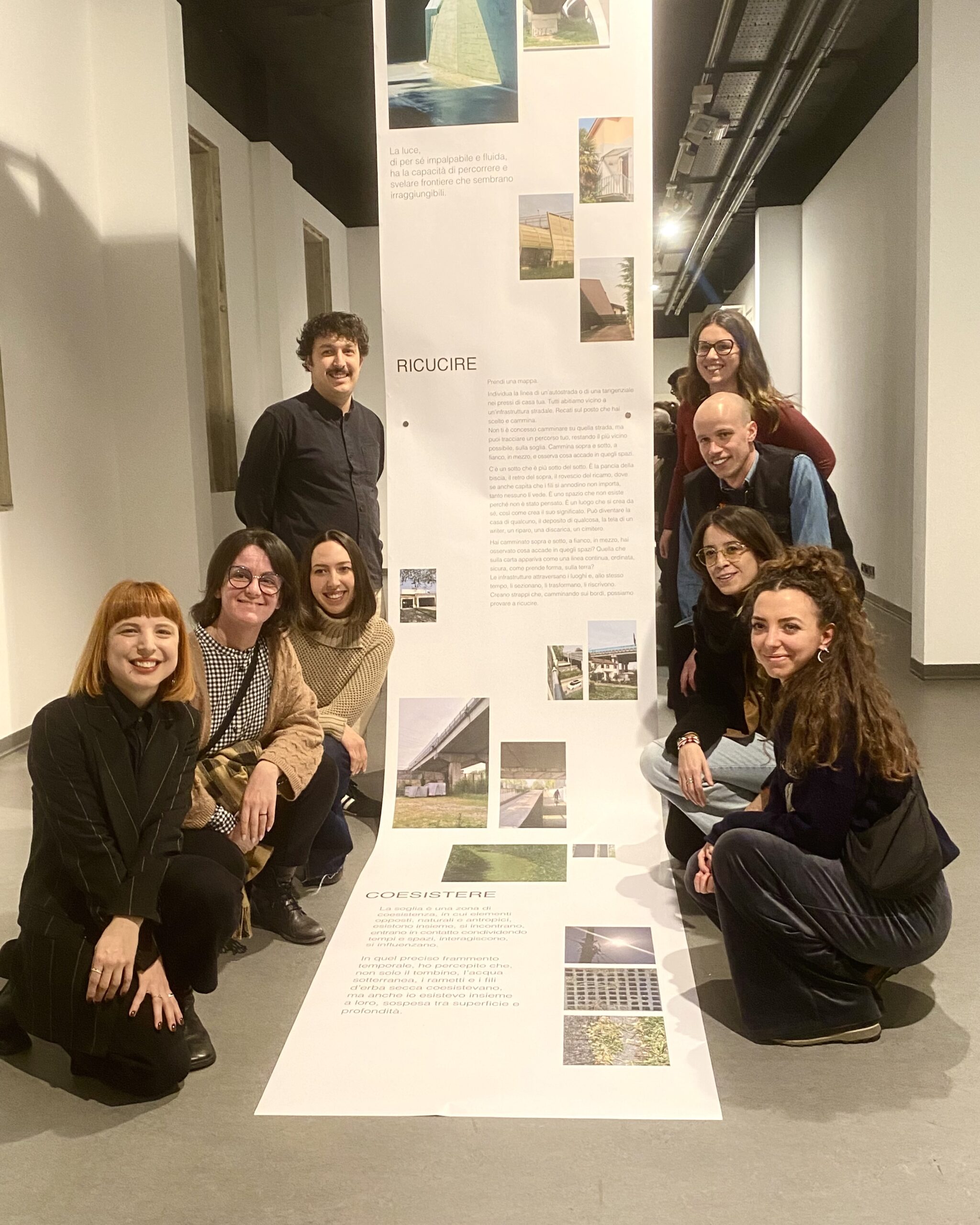
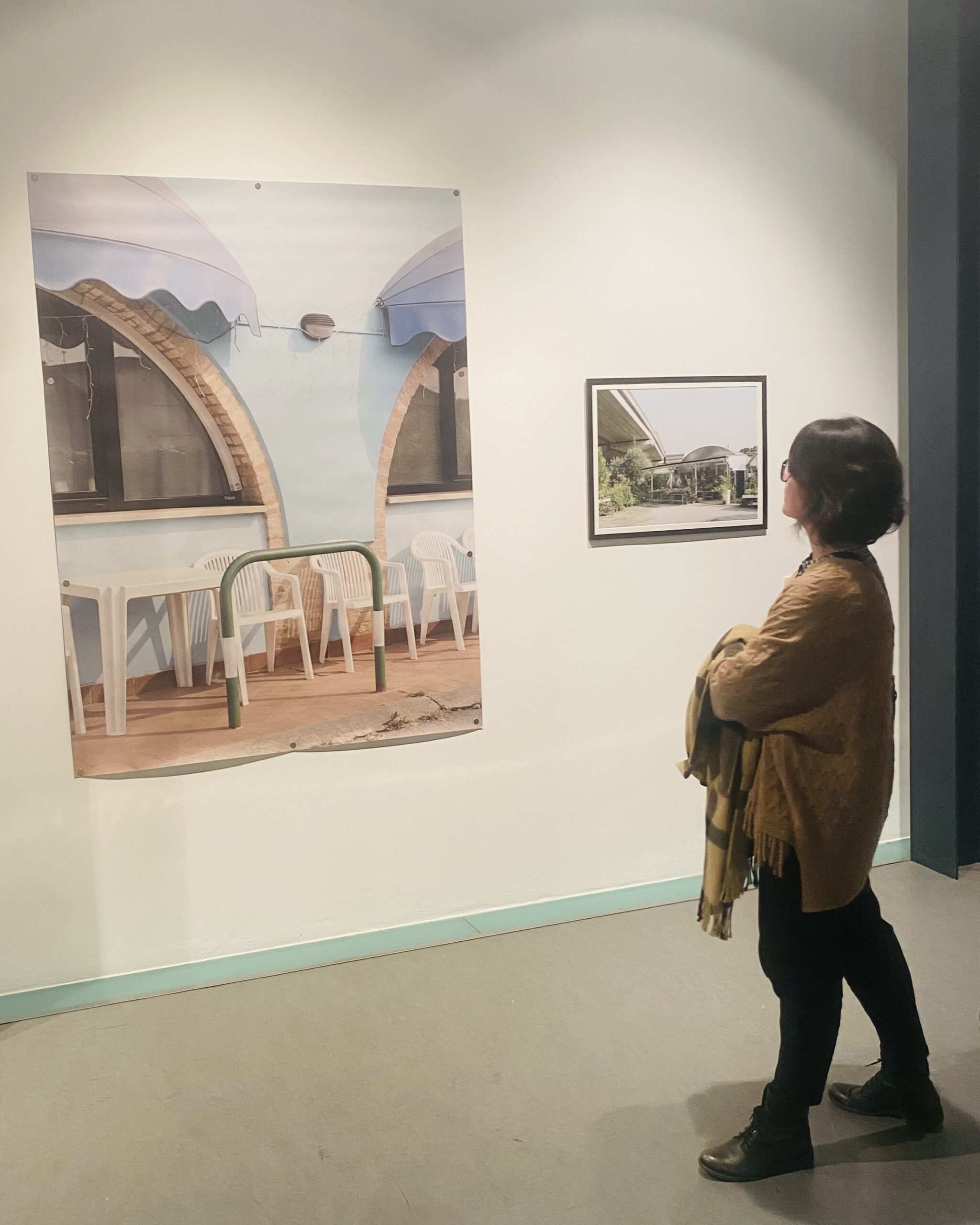
Together with photographer Marco Lumini, the research unit curated the project Sulla soglia, exhibited at San Gaetano Cultural Centre.
At the Museum of Geography, we present the results of a dialogue with illustrator and urban researcher Tânia A. Cardoso, whose work explores the poetics of everyday life, using graphic art to question and co-create the urban environment.
Exhibition venues
Altinate S. Gaetano Cultural Center – Exhibition | Via Altinate 71, Padua
Opening: January 16, 2026, at 6:00 p.m.
Duration: January 16-February 15
Free admission exhibition
Tuesday to Sunday | 9:00 a.m. to 7:00 p.m.