
The Late Antique and Medieval Reception of Aristotle’s Categories “Mobilities” DiSSGeA Department Development Project (PSD 2025-2027)
The Late Antique and Medieval Reception of Aristotle’s Categories
“Mobilities” DiSSGeA Department Development Project (PSD 2025-2027)
Aristotle’s Categories stands as a fundamental text in the history of philosophical thought, offering a conceptual framework for classifying and understanding reality. From Late Antiquity through the Syriac, Arabic, Byzantine, and Latin Middle Ages, the Categories became a cornerstone in philosophical and medical education, shaping the teaching of logic, metaphysics, theology, medicine, and the natural sciences, across a wide range of linguistic and religious traditions.
The role of the Categories as a propaedeutic to rational thought, combined with its remarkable ability to spark debate and reinterpretation across the centuries, languages, and cultures, makes it a paradigmatic case study in the transmission of texts. The text represent an indispensable reference point for scholars across disciplines and for understanding the evolution of both philosophical and scientific thought.
Research into the reception of Aristotle’s Categories in Late Antiquity and in the Middle Ages is a rich and complex field, engaging both philological and philosophical perspectives. This project examines the transmission, circulation, and interpretation of this seminal work through its translations into Greek, Syriac, Arabic, and Latin, highlighting interpretive divergences and cross-cultural influences. By adopting a comparative and diachronic approach, the project aims to shed new light on the pivotal role of the Categories in the transmission of the Aristotelian heritage across East and West.
This project holds particular significance for mobility studies, as it traces the dynamic movement of a key philosophical text across geographical, linguistic, and cultural boundaries over more than a millennium. The Categories did not travel as a static object: each translation and reinterpretation reflects the intellectual and institutional contexts of the communities that received and reshaped them — from Greek Neoplatonists to Syriac scholars, from Arabic philosophers to Latin medieval thinkers. Studying this trajectory offers a concrete model for understanding how knowledge circulates, transforms, and adapts as it crosses borders, making the Categories an exemplary case for anyone interested in the mobility of ideas, texts, and scholarly traditions.
The project has engaged a genuinely interdisciplinary team within DiSSGeA — spanning History of Medieval Philosophy, History of Christianity, and Classical Philology — and has involved scholars at different career stages, from a Full Professor and an Associate Professor to a tenure-track Researcher, a Marie Curie Global Fellowship awardee, and a PhD student.
Main Activities:
- Organisation of a scientific event in Padua (28–30 September 2026): A three-day workshop aimed at young Italian and European doctoral students whose research intersects with the long and wide-ranging history of the circulation of the Categories. Invited scholars and DISSGEA members will present the Greek tradition of the text and trace the impact of Syriac, Arabic, and Latin translations on the development of philosophical and theological thought across different cultural and religious contexts. The workshop will also identify continuities and discontinuities in the reception of the Categories across traditions.
- Publication of a monographic volume: The contributions presented at the three-day workshop will be collected and edited into a peer-reviewed monographic volume. The volume aims to offer a comprehensive and up-to-date scholarly resource on the transmission and reception of the Categories across languages, cultures, and centuries. By bringing together specialists from different disciplines — including philosophy, philology, and religious studies — the volume will provide a multifaceted perspective on the Aristotelian heritage and its mobility across East and West. It is intended to become a reference work both for established scholars and for early-career researchers approaching this field of study.
PI: Cecilia Martini (DiSSGeA)
Other Members:
Marco Zambon (DiSSGeA)
Ciro Giacomelli (DiSSGeA)
Giovanni Mandolino (MSCA-GF DiSSGeA )
Simona Esposito (Dottoranda in Filosofia, Unipd)
External Participants & Partnerships:
Giovanni Catapano (FiSPPA)
Enrico Moro (FiSSPA)
Rita Salis (FiSPPA)
Cristina D’Ancona (Università di Pisa),
Riccardo Chiaradonna (Università Roma3)
Philippe Hoffmann (Ecole Pratique des Hautes Etudes Paris)
Christophe Erismann (Università di Vienna)
Silvia Di Vincenzo (Università Ca’ Foscari Venezia)
Caterina Tarlazzi (Università Ca’ Foscari Venezia)
Julie Brumberg-Chaumont (Centre National de la Recherche Scientifique Paris)
Centro Interuniversitario GrAL (Greco, Arabo, Latino) – University of Padova, the University of Pisa, the École Pratique des Hautes Études of Paris, and the Université Sidi Mohamed Ben Abdellah of Fès (Morocco). GrAL’ s activities are devoted to the study of the transmission of philosophical texts from Late Antiquity to the Arabic and Christian Middle Ages. The Centre is specialized in training activities for Doctoral and Graduate Students since 2006 (https://gral.unipi.it/)
Centro interdipartimentale di Filosofia Medievale (CIRFiM) – University of Padova. CiRFiM mission are: (a) to promote and coordinate research activities relating to medieval thought in all its various forms of expression; (b) to facilitate communication, integration, and the development of knowledge among scholars working in different scientific fields; (c) to acquire and manage resources outside the university system in order to support research on topics of interest to CIRFIM.
Department of Philosophy, Sociology, Education and Applied Psychology (FiSPPA, Unipd)
Doctoral School in Philosophy (Unipd).
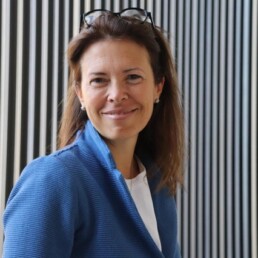
Cecilia Martini
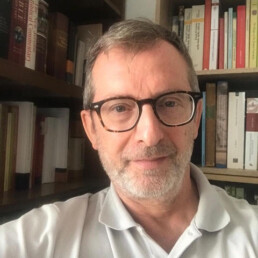
Marco Zambon (DiSSGeA)
Ciro Giacomelli (DiSSGeA)
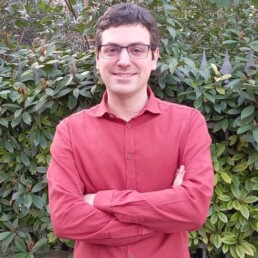
Giovanni Mandolino (MSCA-GF DiSSGeA)
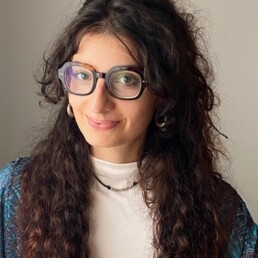
Simona Esposito (Dottoranda in Filosofia, Unipd)

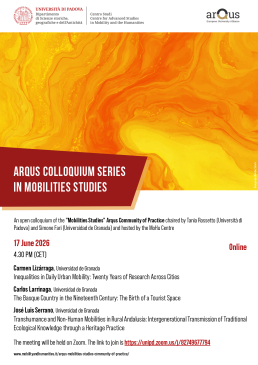
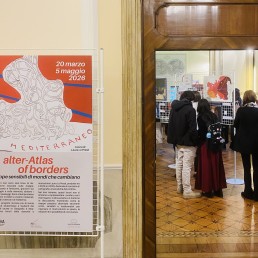
Alter–Atlas of Borders Exhibition launch | 20 March 2026
Alter–Atlas of Borders Exhibition launch | 20 March 2026
Exhibition launch | 20 March 2026
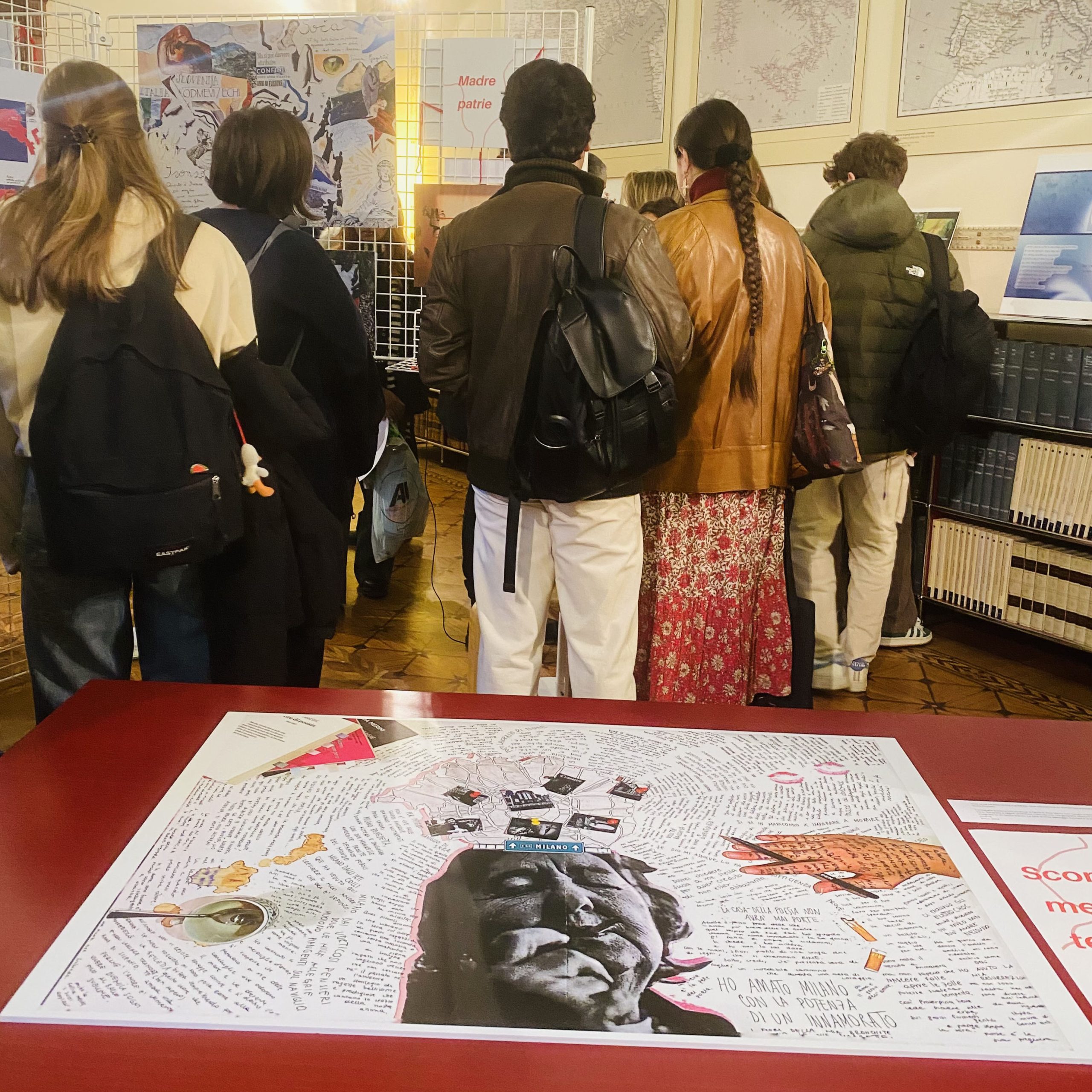
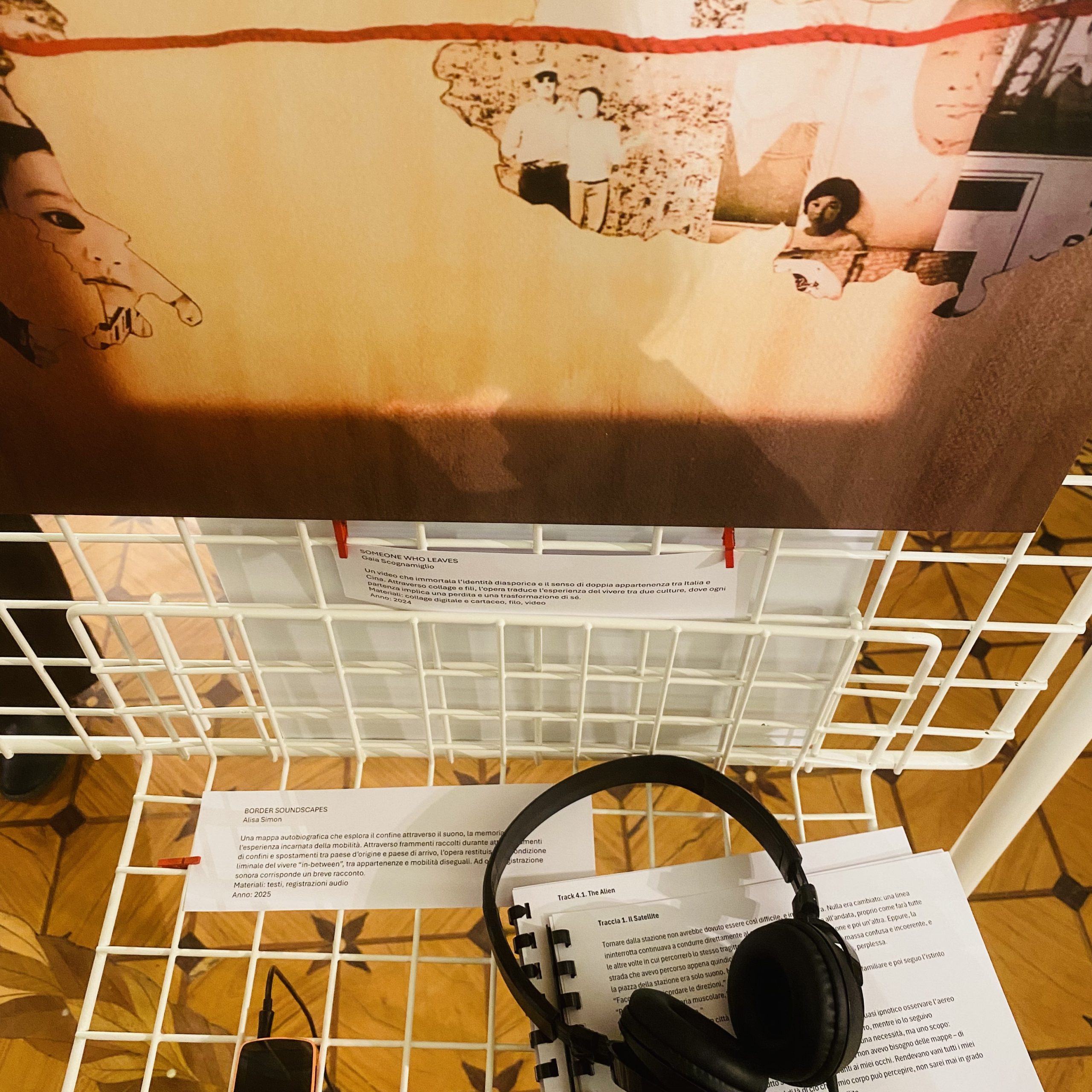
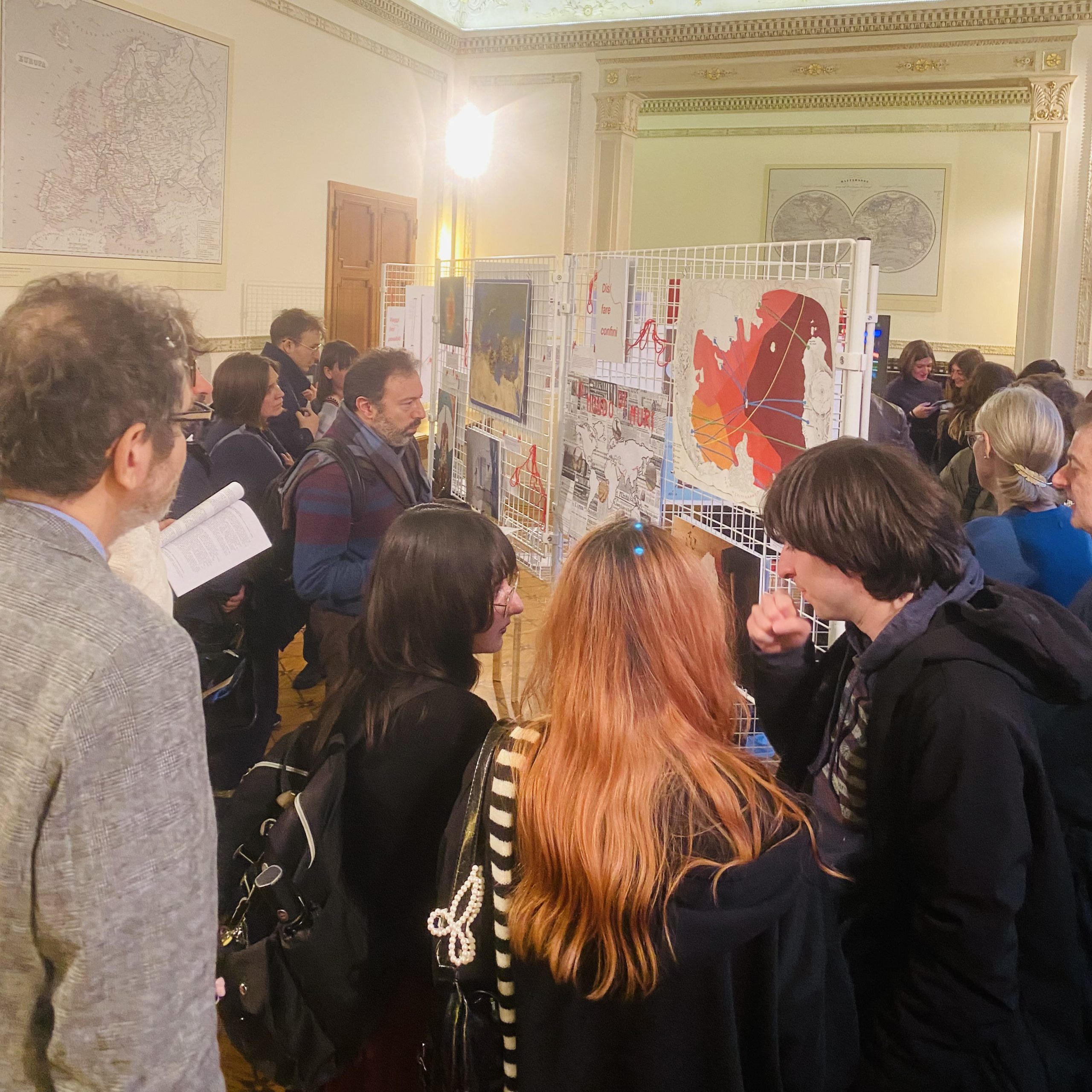
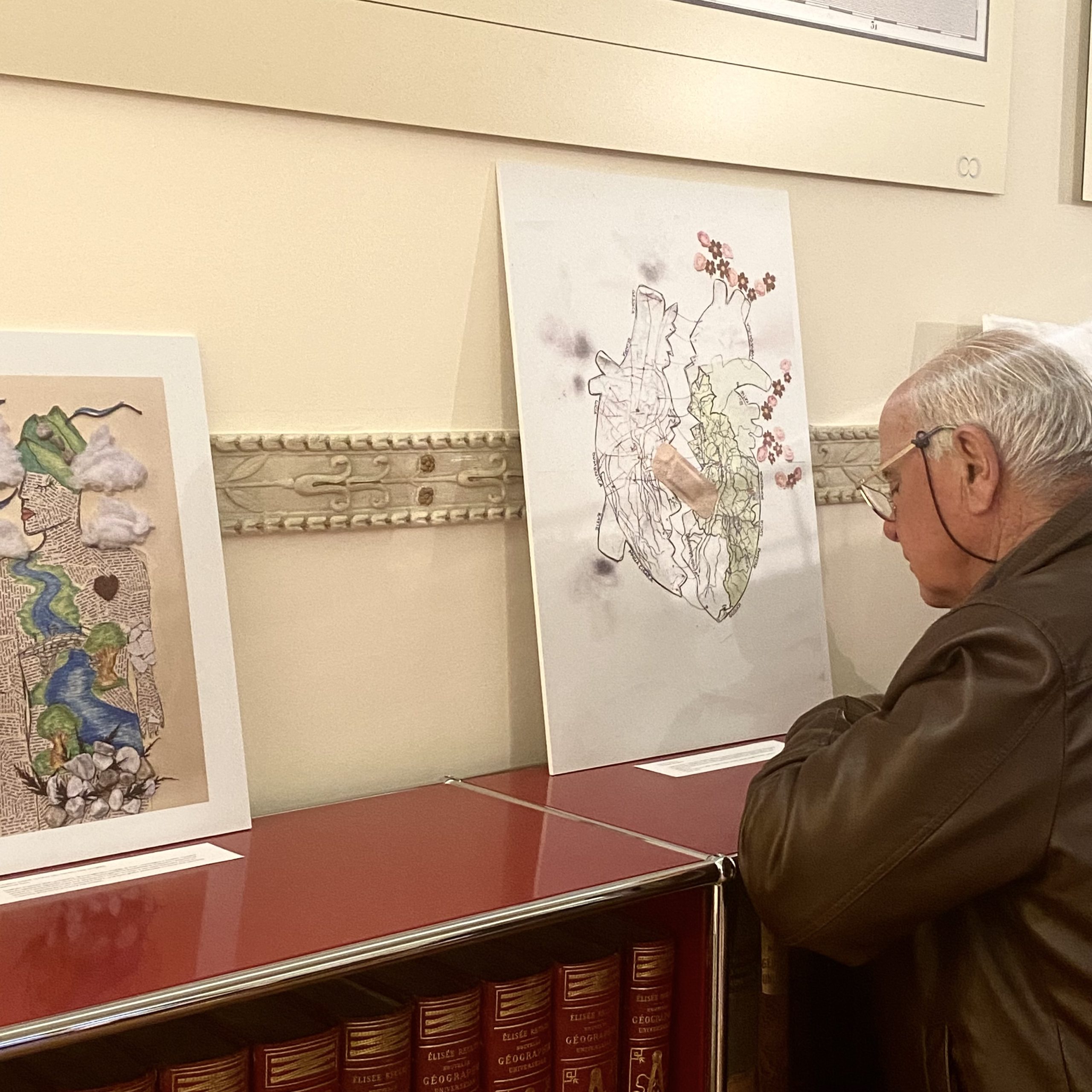
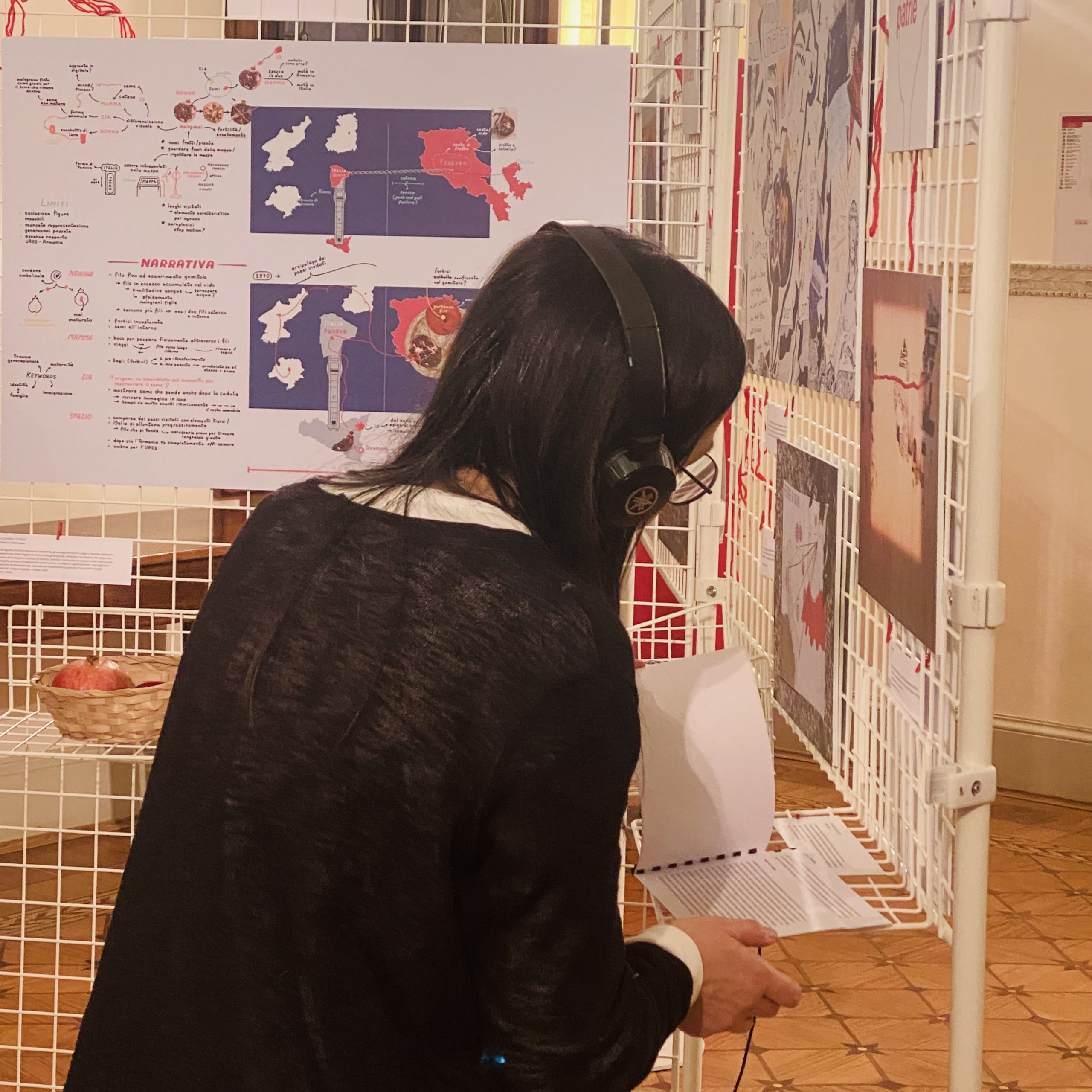
Alter–Atlas of Borders. Sensitive Maps of Changing Worlds is an exhibition curated by Laura Lo Presti, bringing together a selection of works created by students from the Mobility Studies and Geography courses at the University of Padua. The exhibition explores borders not only as geopolitical lines, but as embodied thresholds. Through the lens of critical and humanistic cartographies, the exhibited works engage with themes of mobility, estrangement, and the shifting conditions of belonging. Borders emerge here as affective, relational, and more-than-representational formations, shaped by bodies, memories, and everyday practices.
The exhibition unfolds through a series of small installations, video-performances, and printed maps, each accompanied by short explanatory texts in Italian and English. Together, these works propose alternative ways of seeing and inhabiting borders, inviting visitors to reflect on the political and experiential dimensions of mapping in a world in constant transformation.
Alter–Atlas of Borders is an invitation to rethink maps as living, situated practices, capable not only of representing the world, but of questioning, transforming, and reimagining it.
The exhibition opens on Friday 20 March at 17:00 and will be on view until 5 May 2026 at the Museum of Geography, University of Padua.
Opening hours:
Tuesdays, 15:00–18:00
Sundays, 14:30–18:30
Events
28–29 March, various times
Let’s Play with the World’s Languages
Family event with children
An unmissable opportunity to explore the role of borders and mapping within the global linguistic framework. The event will feature four activities inside the spaces of the Museum of Geography. The exhibition Alter-Atlas of Borders will host the first stop of this engaging and educational journey aimed at children and young people up to 15 years old. More details and tickets will be made available on this page soon.
Click here for more information and to take part in the event!
2 April, 6:45 PM
altars.csv – Musical Performance on Cartography and Movement
by Mattia Benedetti: live electronics and Greta Romani: clarinet / percussion
Audio / Video / Text: the live performance uses these three elements as the basis of an algorithmic exploration. It starts from map fragments (as a deconstructed, lo-fi visual element), textual debris (verb extractions from 19th-century novels, maintenance condition annotations, piles of incomprehensible characters) and scattered data (location identification codes, Excel spreadsheets, latitude and longitude) to arrive at a rarefied and suspended expressiveness.
Click here to register for free and take part in the event!
10 April, 5:30 PM
Art, Cartography and the Geopolitics of Care?
A talk with Laura Canali
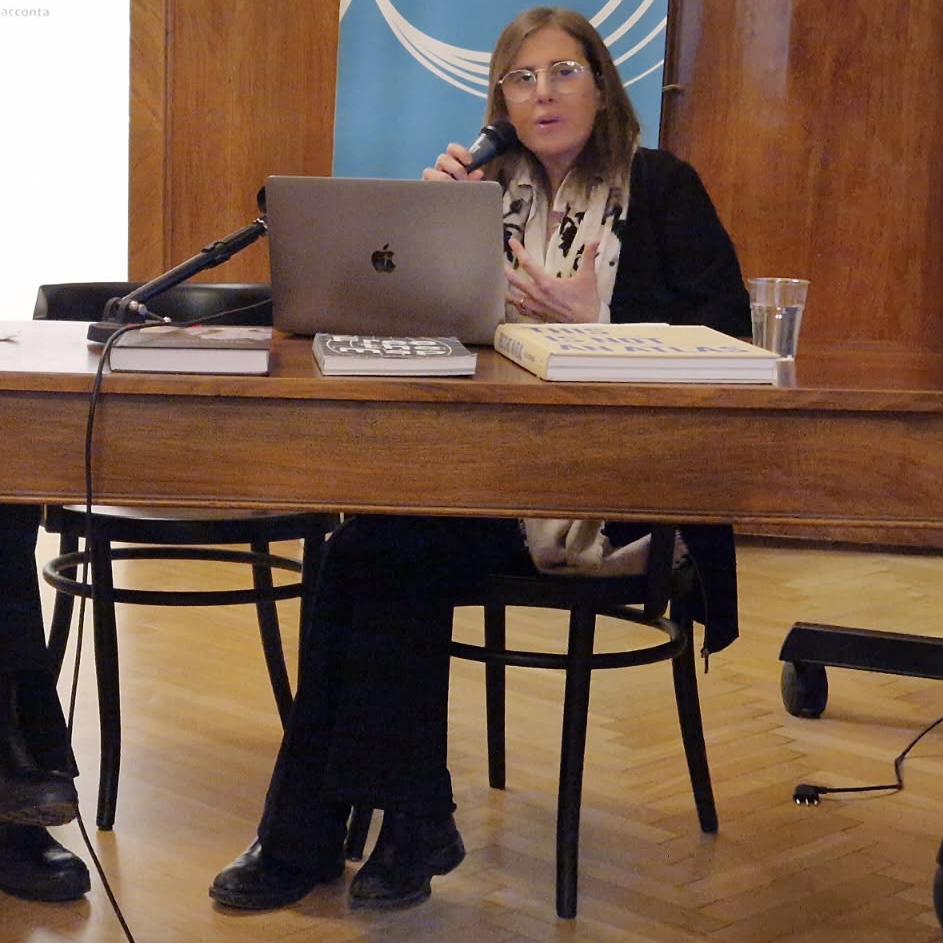
A public talk with artist and cartographer Laura Canali, author of the maps for Limes, dedicated to the relationships between art, cartography and geopolitics. The conversation will reflect on how artistic cartography can challenge dominant geopolitical representations and open up different ways of imagining borders: not just lines of control and separation, but also spaces of relationship, vulnerability and care. To follow, a guided tour of the exhibition Alter–Atlas of Borders: Sensitive Maps of Changing Worlds.
Click here to register for free and take part in the event!
21 April, 4:30 PM
Tied Routes: A Gaming Experience on Migration Routes
With Daniel Zilio, Isabel Rasmussen
An open public gaming session dedicated to Tied Routes, a hybrid (physical-digital) serious game that invites participants to take on the role of a migrant on a journey. Through choices, obstacles and unexpected events, the game allows players to immersively explore the complexity, uncertainty and constraints that characterise contemporary migration routes.
Click here to register for free and take part in the event!

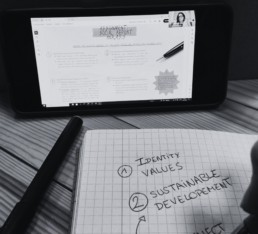
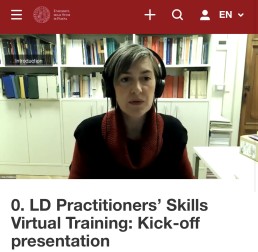
Local Development Practitioners’ Skills Virtual Training: Kick-off presentation
LD Practitioners’ Skills Virtual Training | 27 March – 26 May 2026
Online
from 27.03.2026 to 26.05.2026
Local Development Practitioners’ Skills Virtual Training
- What: This virtual training provides an innovative pathway to test and develop practical tools for the Local Development job market. Sessions are delivered by experienced professionals currently active in the field.
- When: The training programme consists of three online interactive sessions, each lasting 90 to 120 minutes, one per month from March to May 2026.
- Target audience: Second-year Local Development students and alumni
- With: Prof. Chiara Rabbiosi, Vincenzo Pono (tutor), and representatives from stakeholders including 21Solutions, Angoli di Mondo, and ADSB Consulting.
Participation is free, but each workshop is limited to 30 participants. Preparation will be required from both hosts and attendees.
Each workshop requires registration through a Zoom link that will be provided on this page.
Workshop 1: 27/03/2026, 3:30 PM
Collaboration in Decision-Making: Let’s Search Together
Host: 21Solutions
Watch workshop 1
Workshop 2: 29/04/2026 3.30 pm
Social Reporting: From Obligation to Strategic Opportunity for Storytelling and Engagement
Host: Angoli di Mondo social cooperative
Watch workshop 2
Workshop 3: 26/05/2026, 3:30 PM
Financial Project Reporting: Pretend to be a Financial Manager
Host: ADSB Consulting
Watch workshop 3
Participants who attend all three workshops in the series will receive a certificate of attendance.
The Local Development Practitioners’ Skills Virtual Training is a social engagement initiative involving stakeholders supported by funds from Shaping a World Class University 2025 within the PSD project activities with DiSSGGeA stakeholders.
More info at: master.localdevelopment@unipd.it
Scientific coordinator: Prof. Chiara Rabbiosi