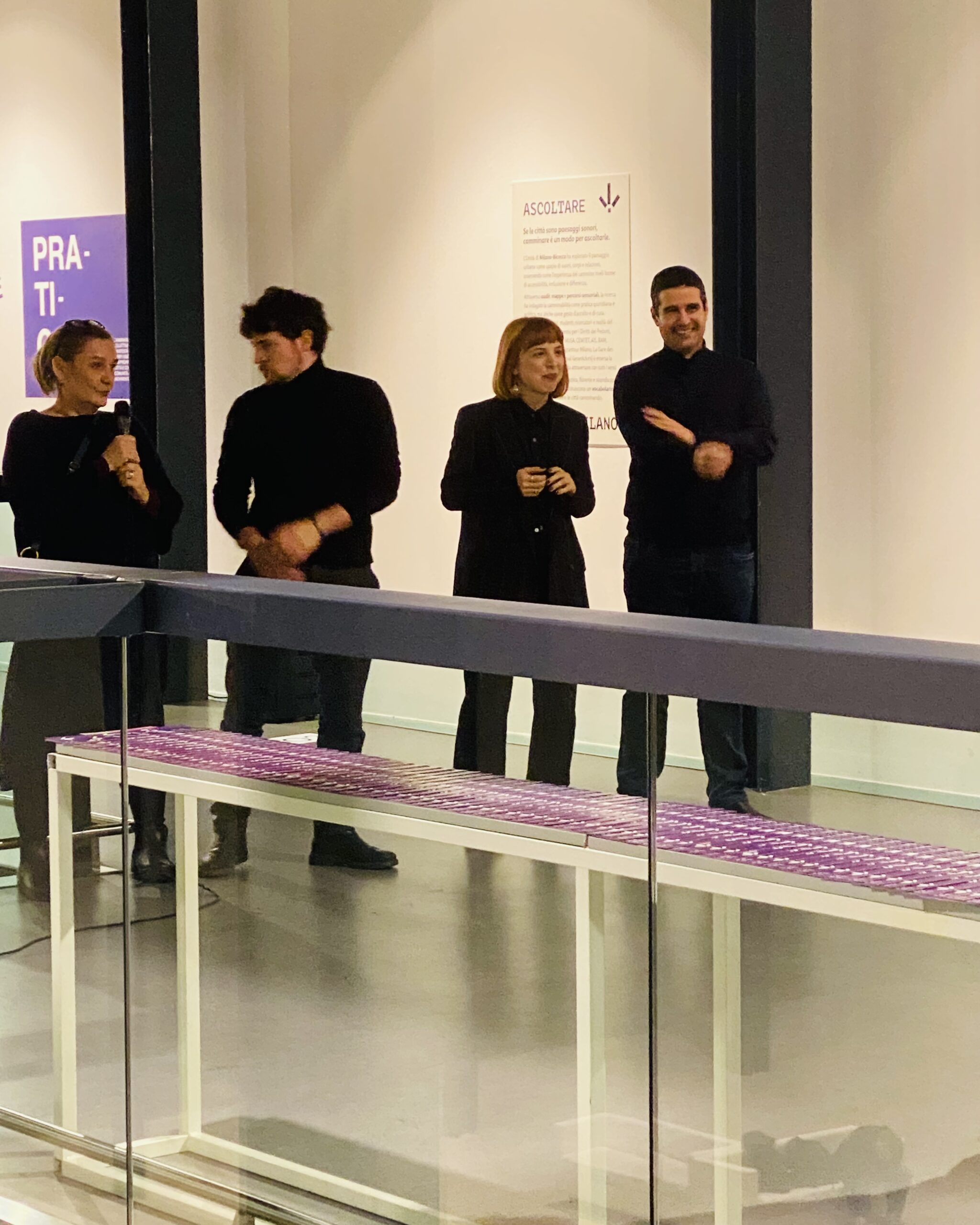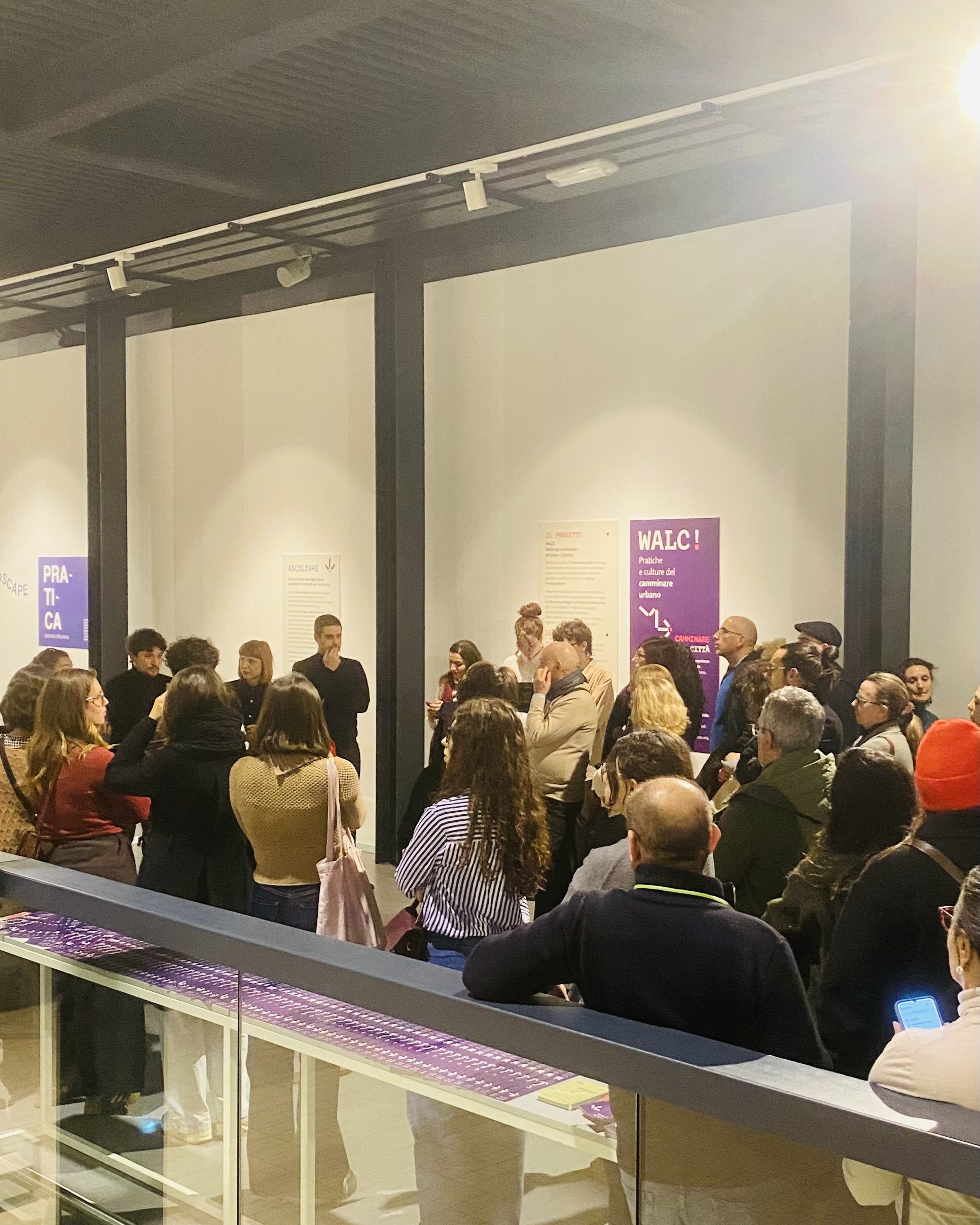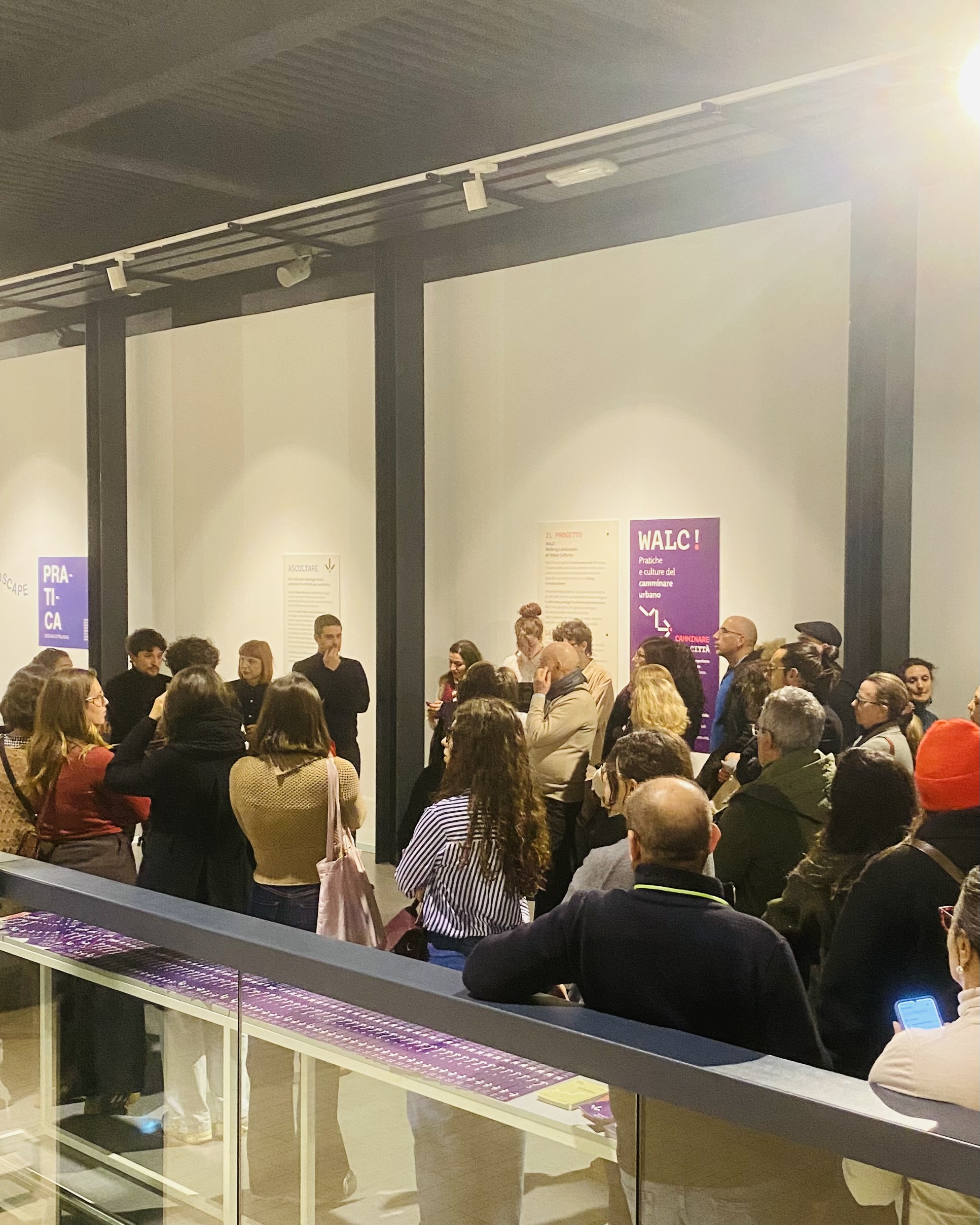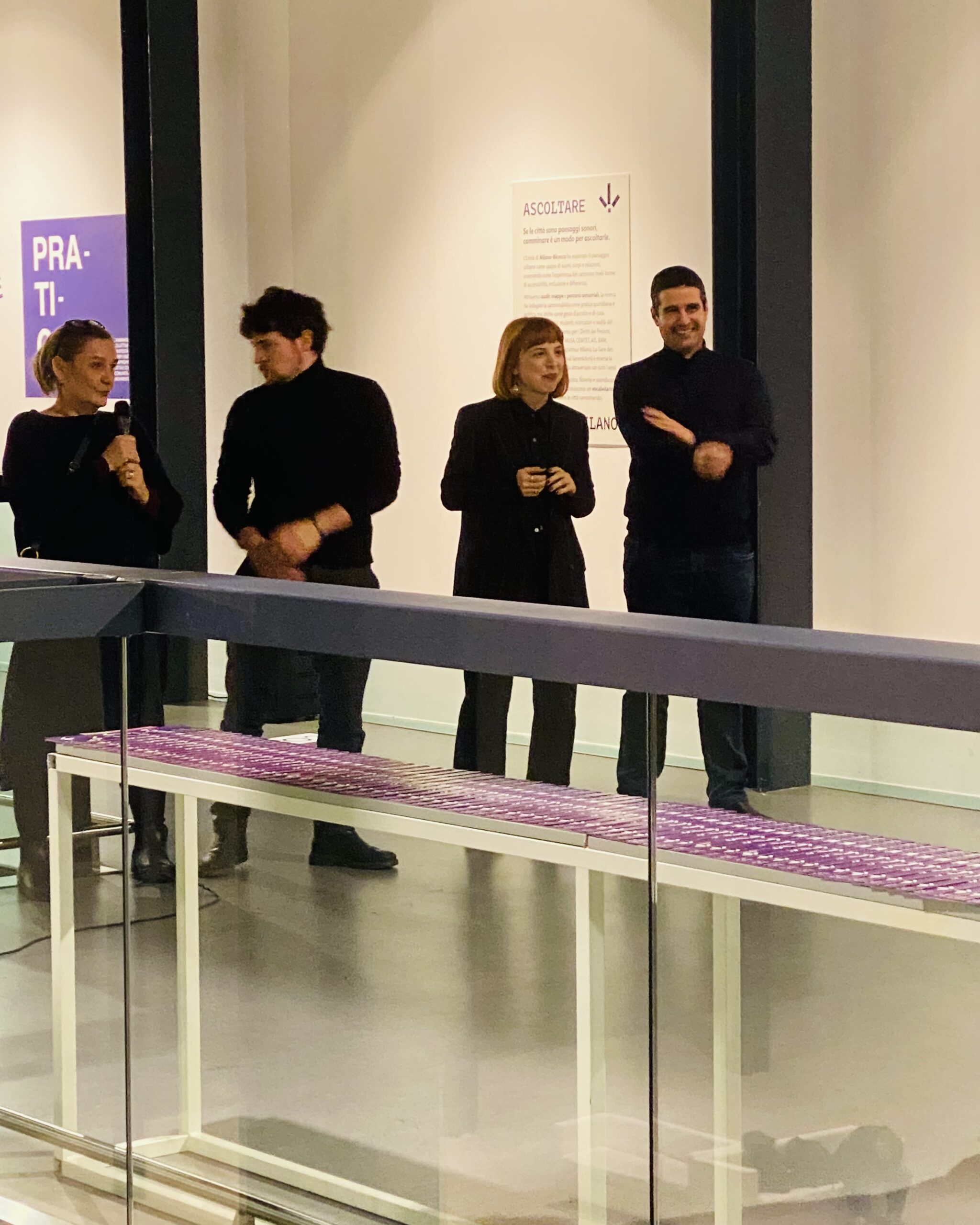
WALC! Exhibition launch | 16 Jan 2026
WALC! Exhibition launch | 16 Jan 2026
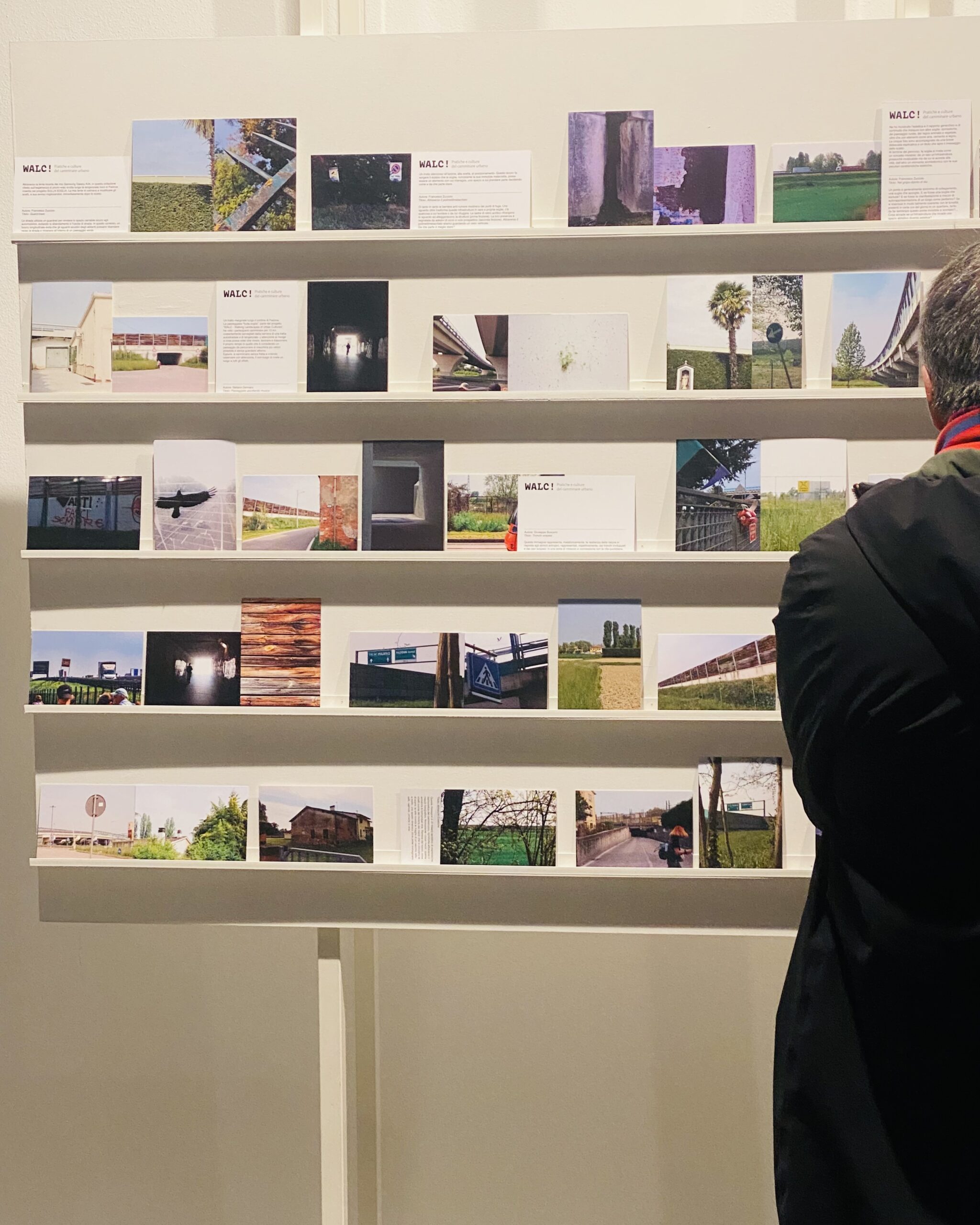
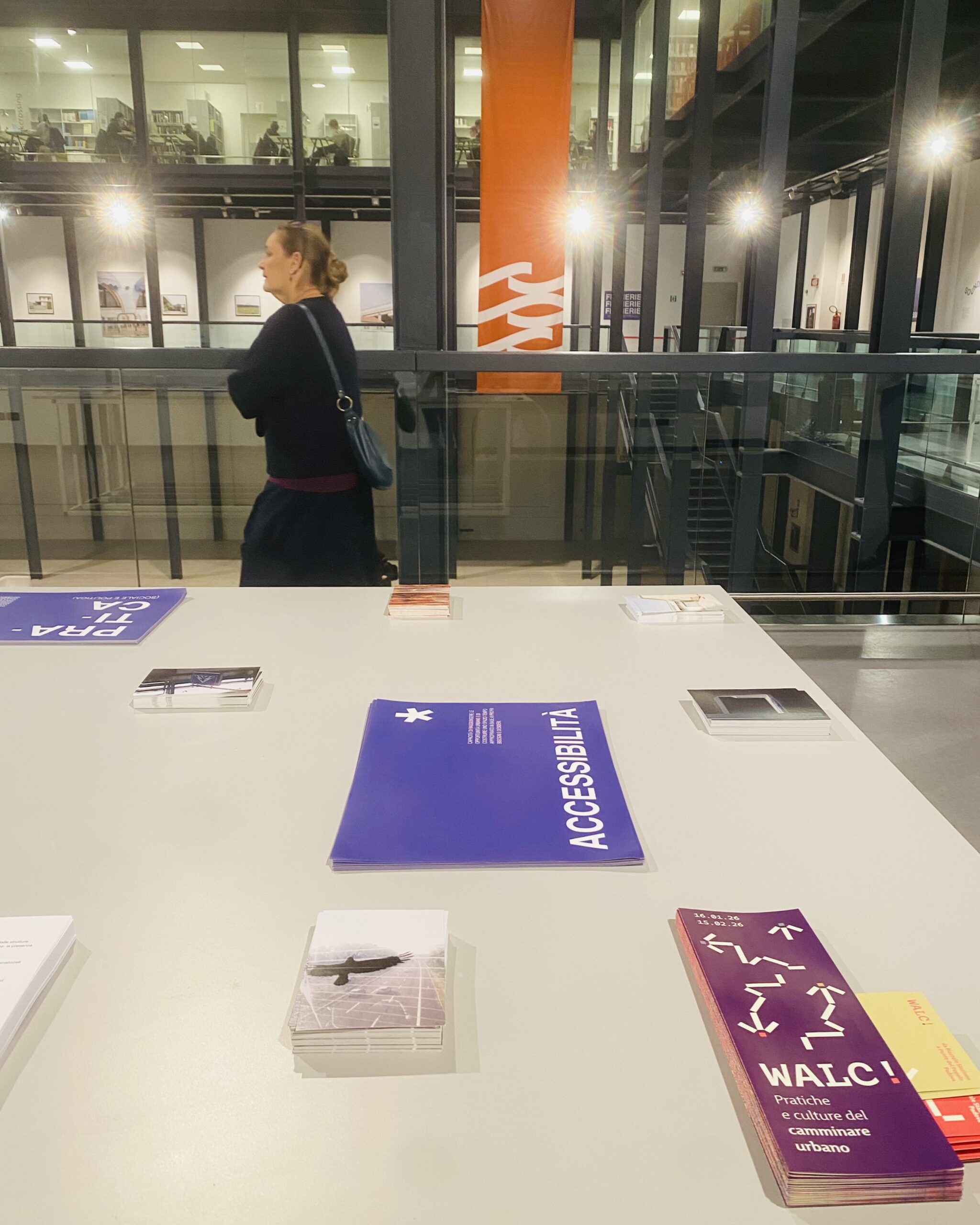
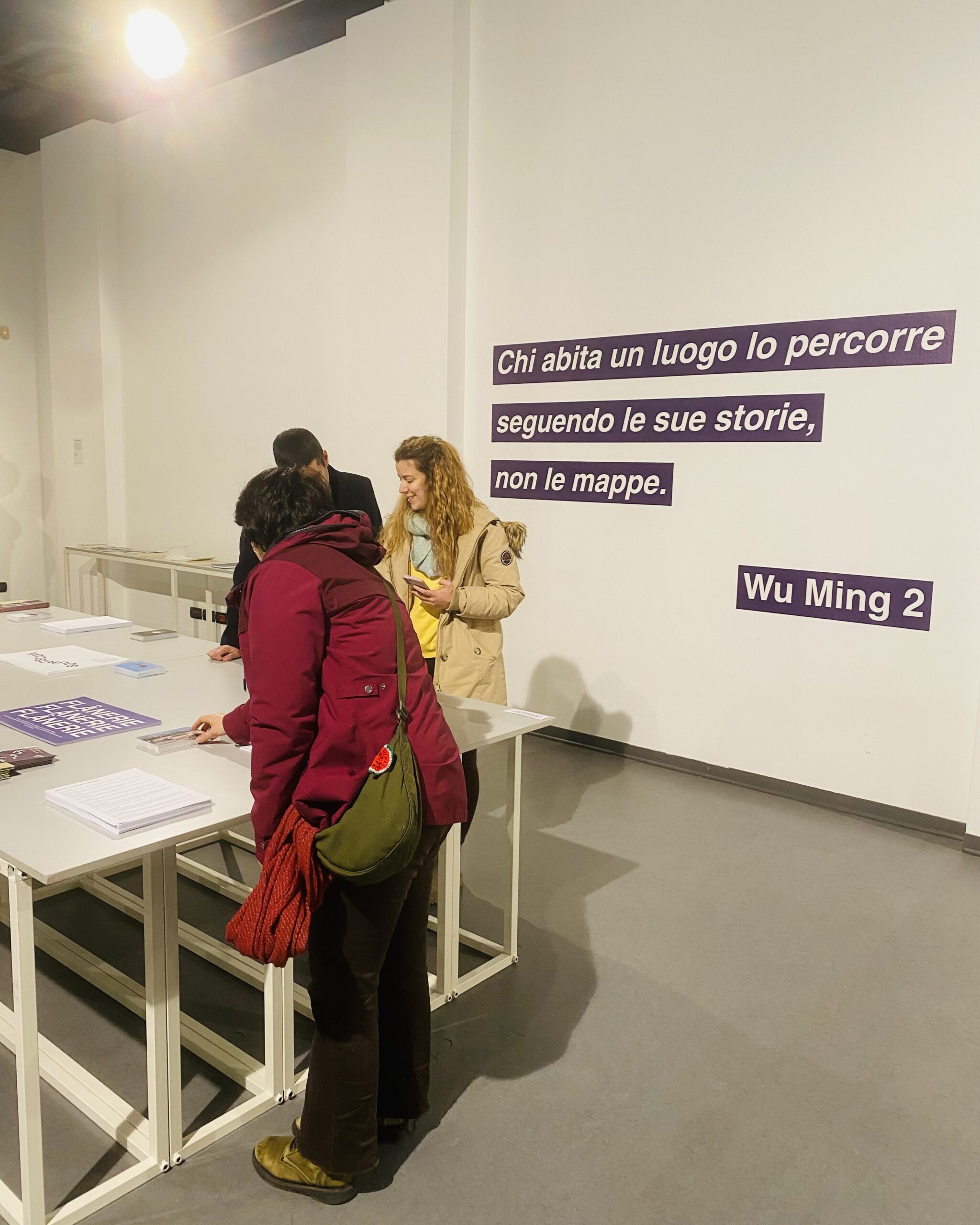
Walking is a way of observing that becomes an immersive experience of the city. It is an act of unveiling, capable of grasping, through urban metamorphoses, the signs of social and climatic change. It is also an act of rewriting, a tool for rethinking and designing urban space beyond established routes. Walking with the city and its inhabitants, human and more-than-human, is at once a political and poetic, social and intimate, critical and creative gesture. As a social practice, walking activates new communities in motion that are aware of the transformative potential of their own steps.
WALC! is an invitation to walk together in our cities.
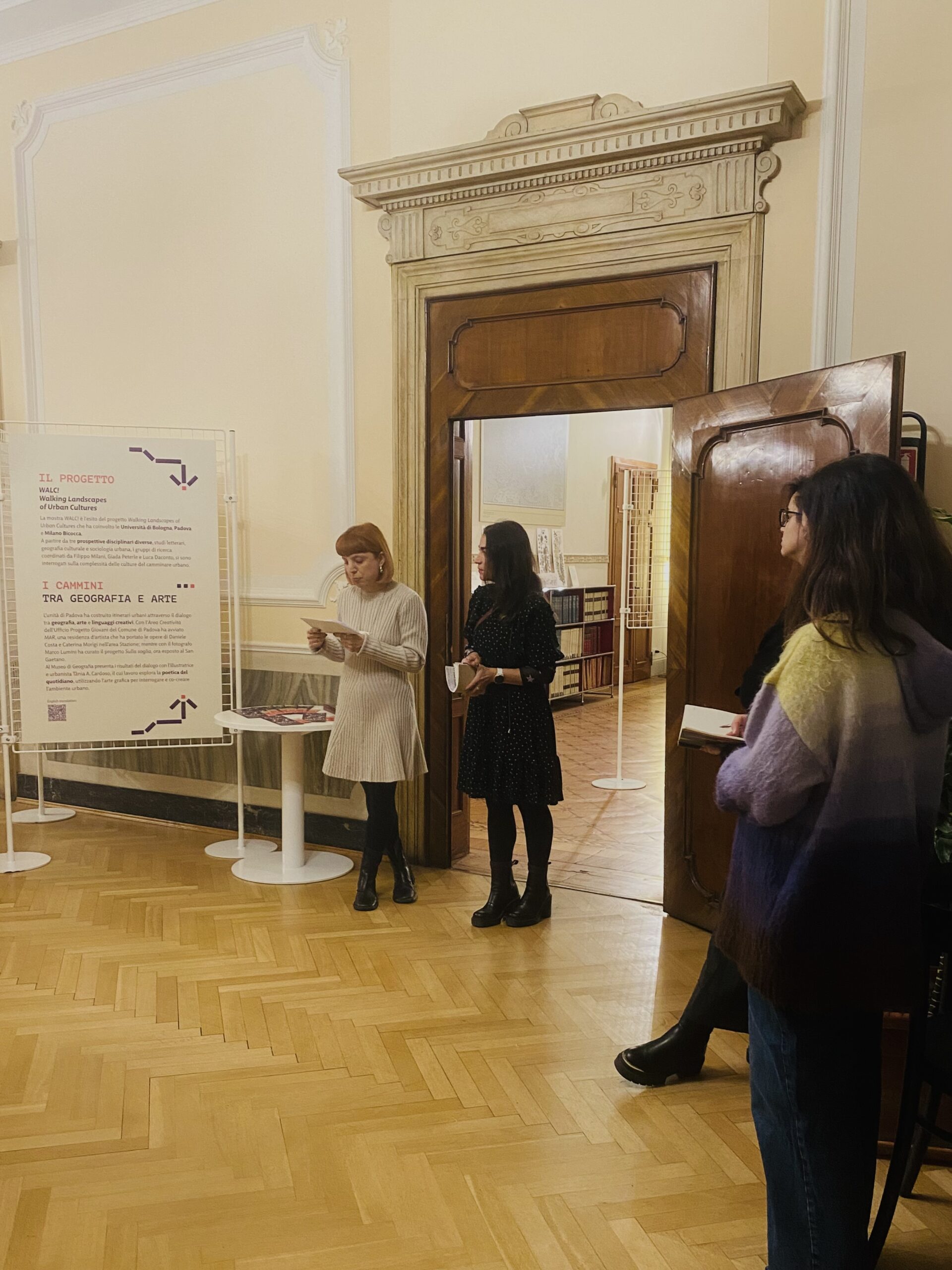
The exhibition WALC! is the outcome of the project Walking Landscapes of Urban Cultures, which involved the Universities of Bologna, Padua, and Milan Bicocca. Drawing on three different disciplinary perspectives, literary studies, cultural geography, and urban sociology, the research groups coordinated by Filippo Milani, Giada Peterle, and Luca Daconto investigated the complexity of urban walking cultures through transdisciplinary methodologies.
The exhibition itinerary winds its way through the transdisciplinary restitutions of the three research units, which have interpreted their cities as living laboratories for listening to, recounting, and imagining the cultures of urban walking.
Using different languages, each city contributes to the unveiling of new perspectives for those who walk in the city and observe landscapes in constant transformation.
Between Geography and Art
The Padua research unit developed urban itineraries through an open dialogue between geography, art, and creative languages. In collaboration with the Creativity Area of the Progetto Giovani Office of the Municipality of Padua, the Padua research unit launched MAR (Mobile Art Residency), an artist residency that led to the permanent installation of public artworks by Daniele Costa and Caterina Morigi in the train station area.
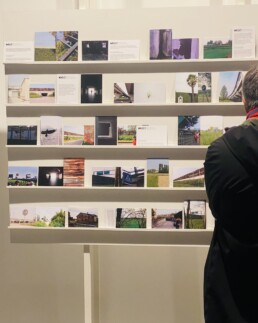
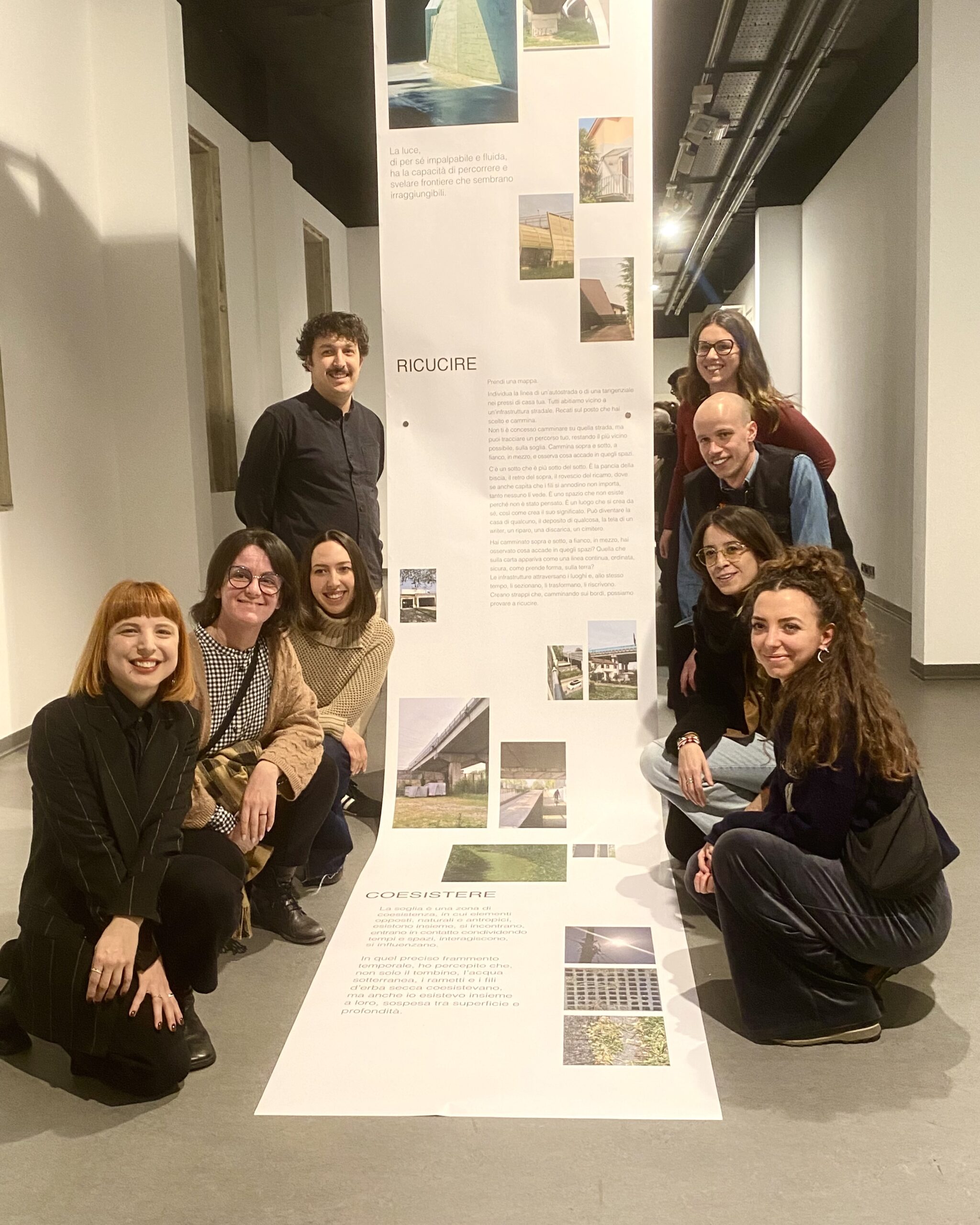
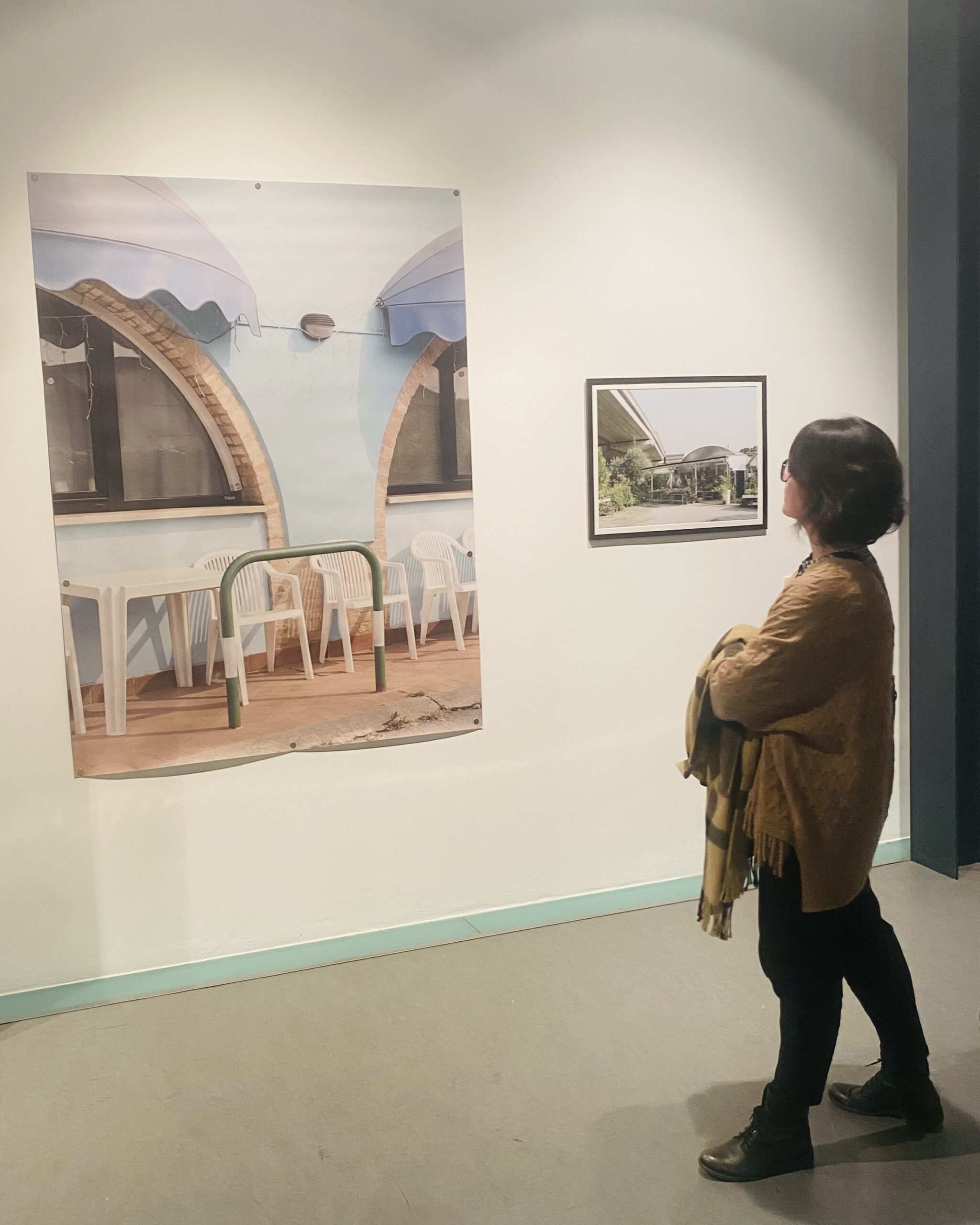
Together with photographer Marco Lumini, the research unit curated the project Sulla soglia, exhibited at San Gaetano Cultural Centre.
At the Museum of Geography, we present the results of a dialogue with illustrator and urban researcher Tânia A. Cardoso, whose work explores the poetics of everyday life, using graphic art to question and co-create the urban environment.
Exhibition venues
Altinate S. Gaetano Cultural Center – Exhibition | Via Altinate 71, Padua
Opening: January 16, 2026, at 6:00 p.m.
Duration: January 16-February 15
Free admission exhibition
Tuesday to Sunday | 9:00 a.m. to 7:00 p.m.

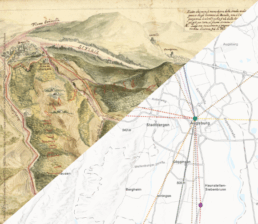
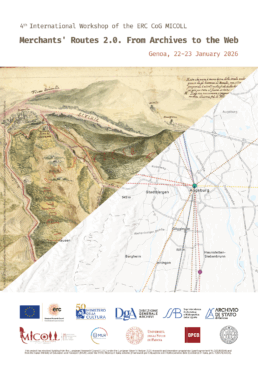
4Th International Workshop of the ERC CoG MICOLL. Merchants' Routes 2.0. From Archives to the Web
4Th International Workshop of the ERC CoG MICOLL.Merchants' Routes 2.0. From Archives to the Web.
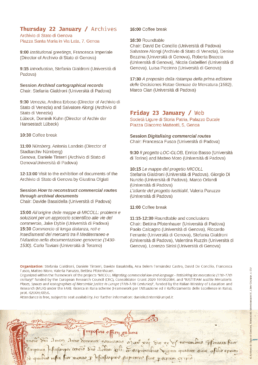
Il MobiLab ha preso parte al 4th International Workshop dell’ERC COG MICOLL, intitolato “Merchants’ Routes 2.0. From Archives to the Web“, che si è tenuto a Genova nei giorni 22 e 23 gennaio 2026.
L’evento, organizzato in collaborazione con l’Archivio di Stato di Genova e l’Università degli Studi di Padova, ha esplorato il passaggio cruciale dai documenti d’archivio alla loro valorizzazione digitale sul web. Il workshop ha rappresentato un’importante occasione di confronto internazionale tra direttori di archivi (Venezia, Lubecca, Norimberga e Genova) e ricercatori, focalizzandosi sull’uso della cartografia storica e delle tecnologie digitali per la ricostruzione delle rotte commerciali.
Il contributo si è svolto nella sessione dedicata alla digitalizzazione delle rotte commerciali. Stefania Gialdroni, Giorgio Di Nunzio e Marco Orlandi hanno presentato un intervento dedicato a “Le mappe del progetto MICOLL“.
La relazione ha illustrato come le tecnologie digitali e l’approccio scientifico alle vie del commercio permettano di trasformare i dati estratti dai documenti d’archivio in strumenti cartografici dinamici. Attraverso l’integrazione di competenze multidisciplinari, il lavoro presentato ha mostrato l’evoluzione delle mappe del progetto MICOLL e dell’atlante del progetto IUSTITIAM, sottolineando come la cartografia digitale sia oggi uno strumento essenziale per visualizzare e analizzare i flussi mercantili e la diffusione del linguaggio commerciale tra l’XI e il XVII secolo
MAR - Station Area Public Artworks
MAR - Station Area Public Artworks
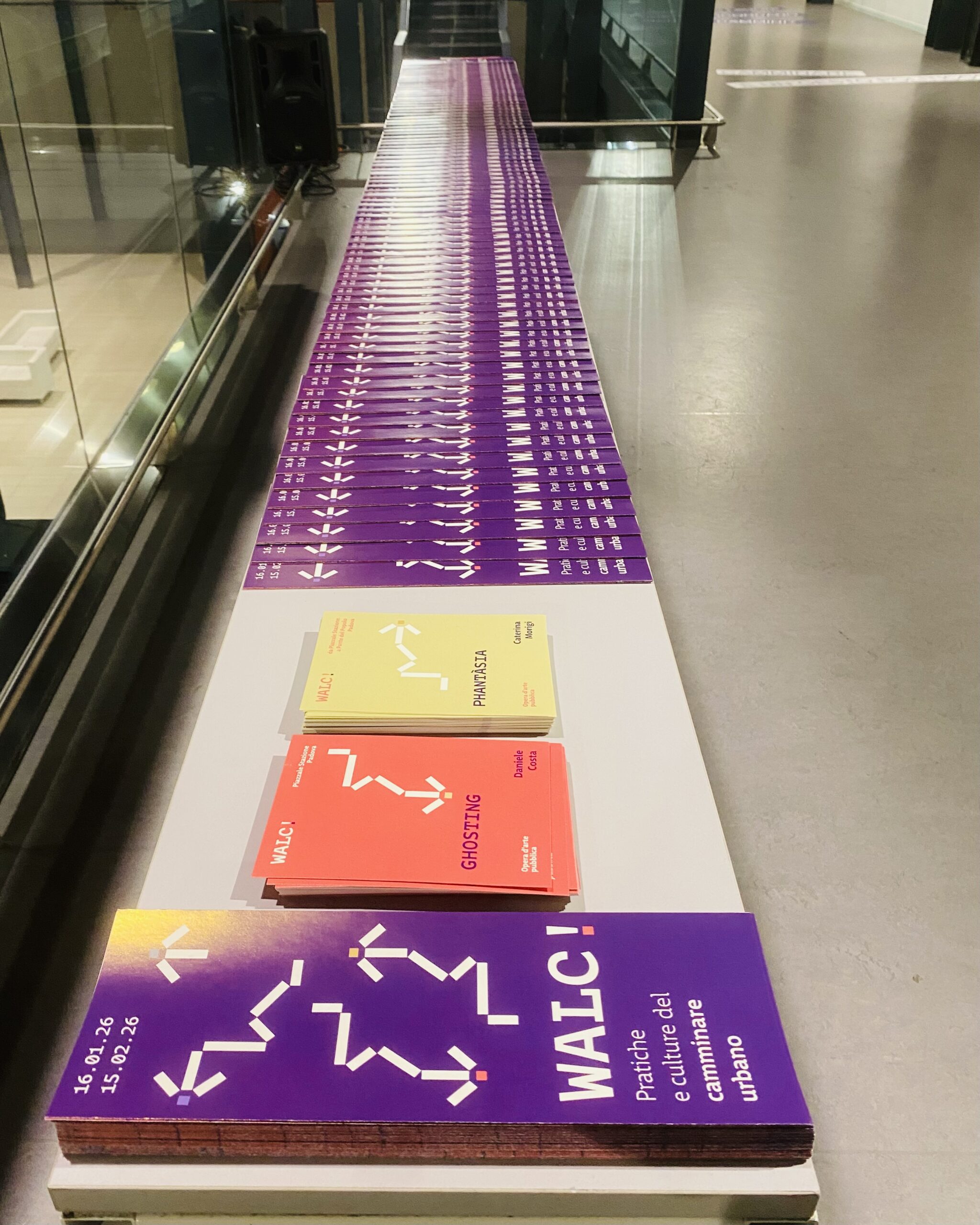
MAR – Mobile Art Residency is the section of WALC! that sees the creation of two public art installations in the station area of Padua, in a dialogue between geography and contemporary art.
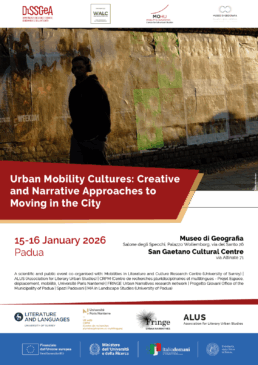
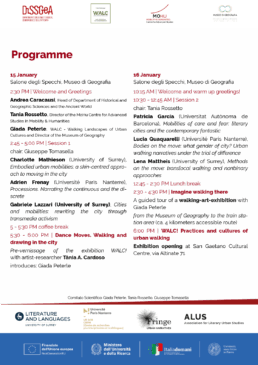
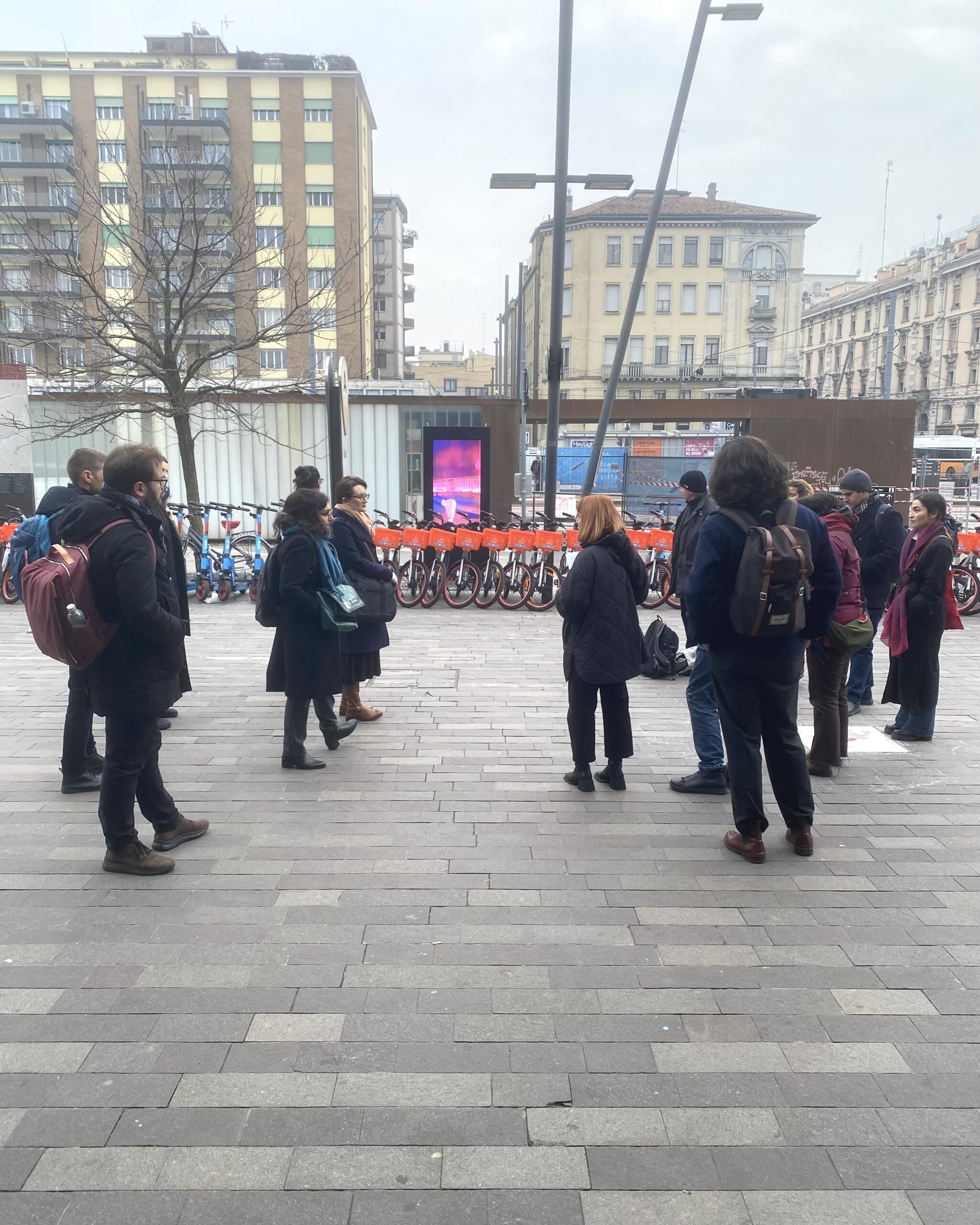
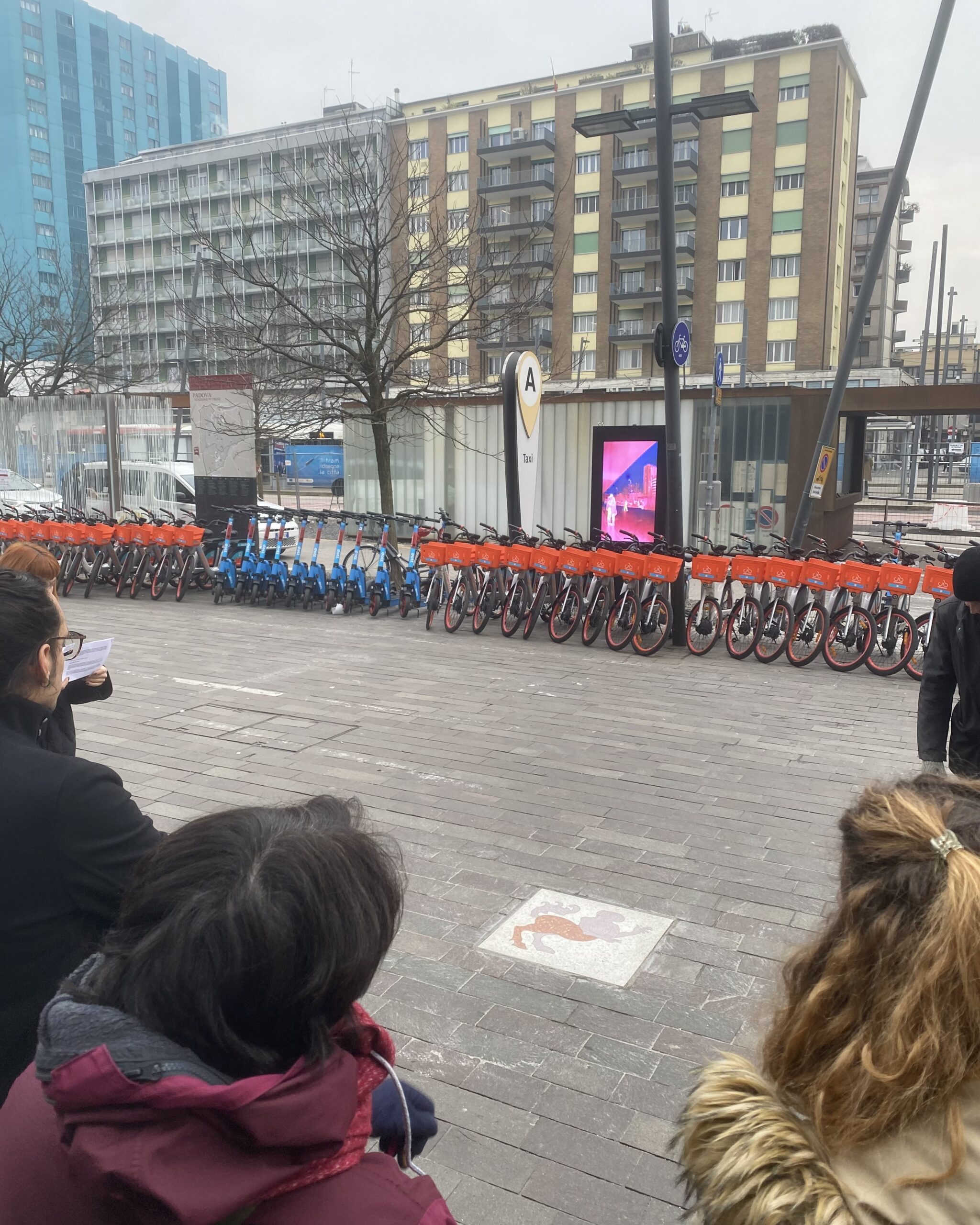
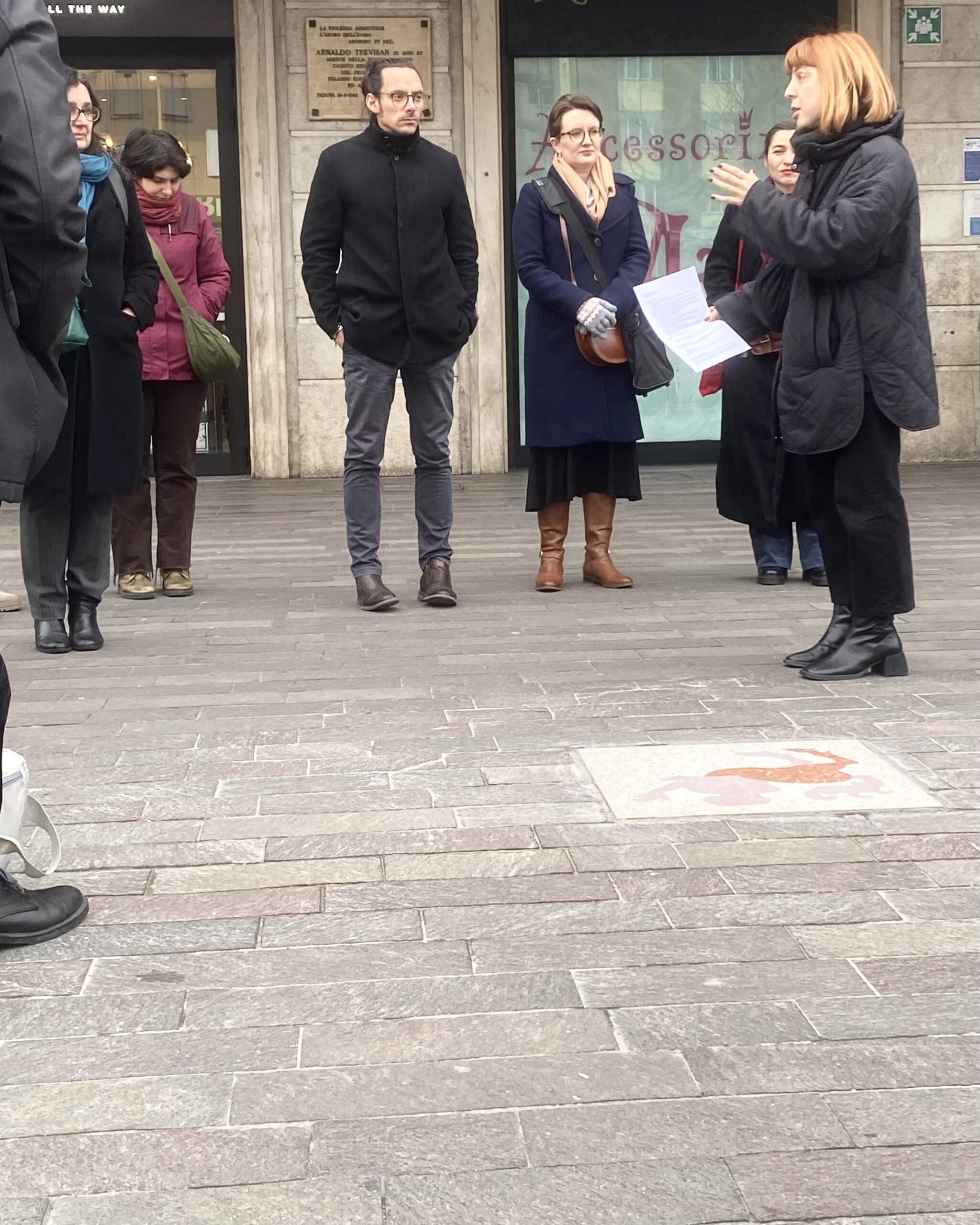
On the sidelines of the conference “Urban Mobility Cultures: Creative and Narrative Approaches to Moving in the City” organized by MoHu together with the WALC project on January 15-16, 2026, participants were able to preview the works under the guidance of Giada Peterle, PI of the Paduan unit of the project.
On January 24 at 11:30 a.m., the context-specific works by Caterina Morigi and Daniele Costa will be presented in the Peppino Impastato Room of Banca Etica. Then they will remain as permanent marks on the city’s skin.
The two installations explore mobility, gestures, trajectories, and relationships between bodies and matter in the complexity of the neighborhood. The works are the result of a long process of exploration, which saw the artists articulate the theme of urban walking as a practice for questioning the context and its transformations. The works will also dot an ongoing path of works in the public space of the station area, created by mid-career contemporary artists, already launched in 2022 by the Creativity area of the Progetto Giovani Office of the Municipality of Padua.
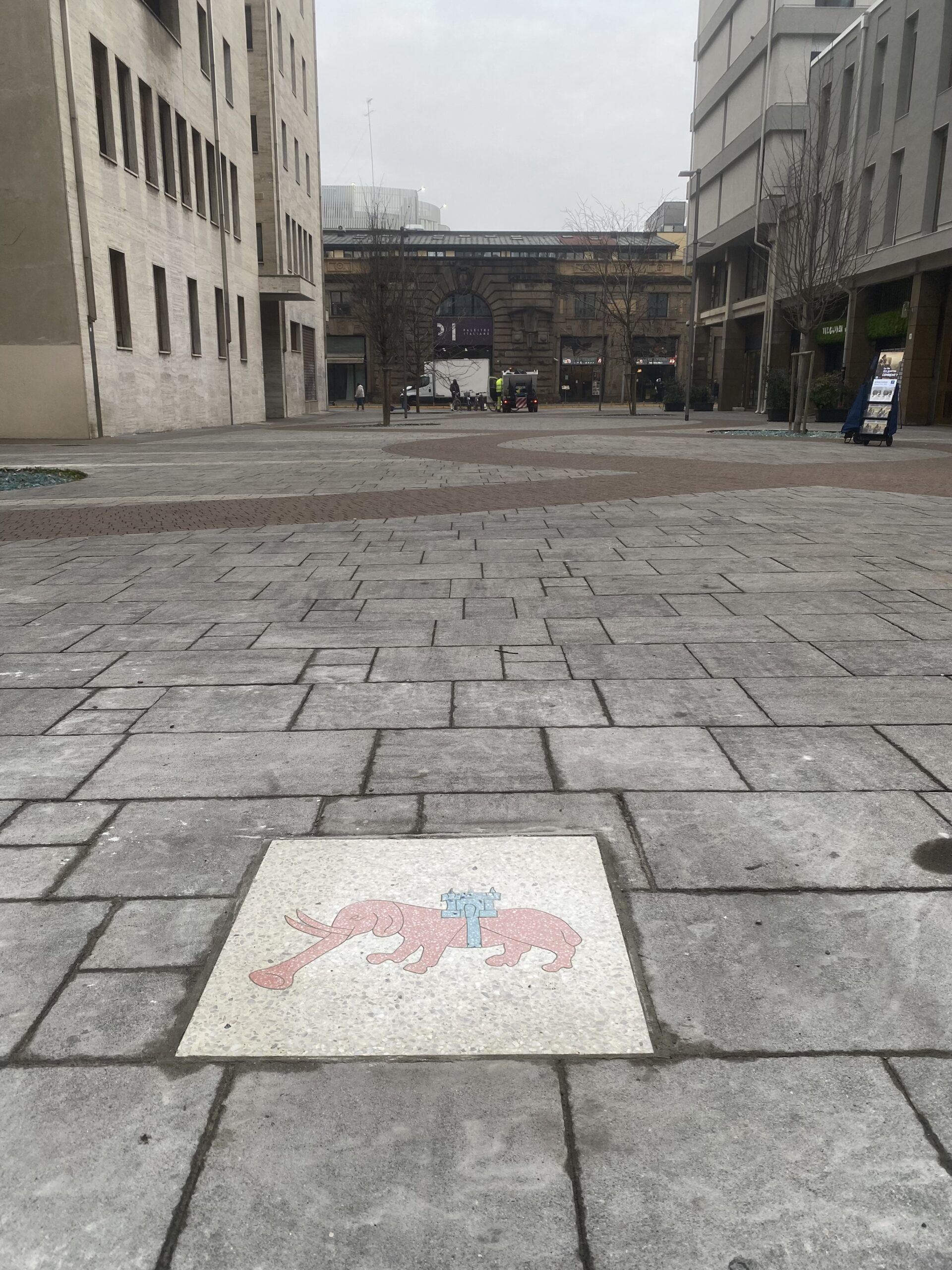
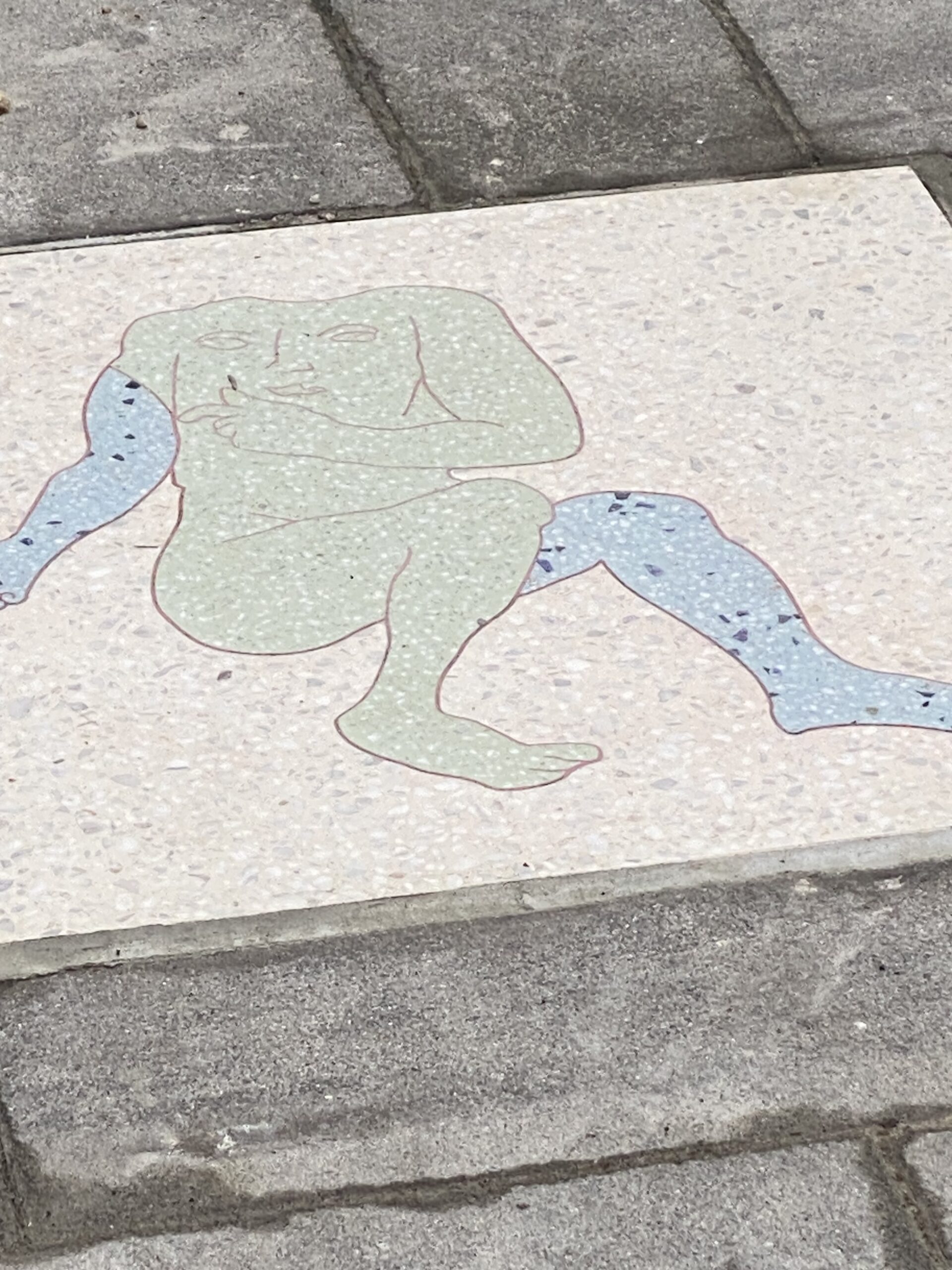
Phantàsia | Caterina Morigi
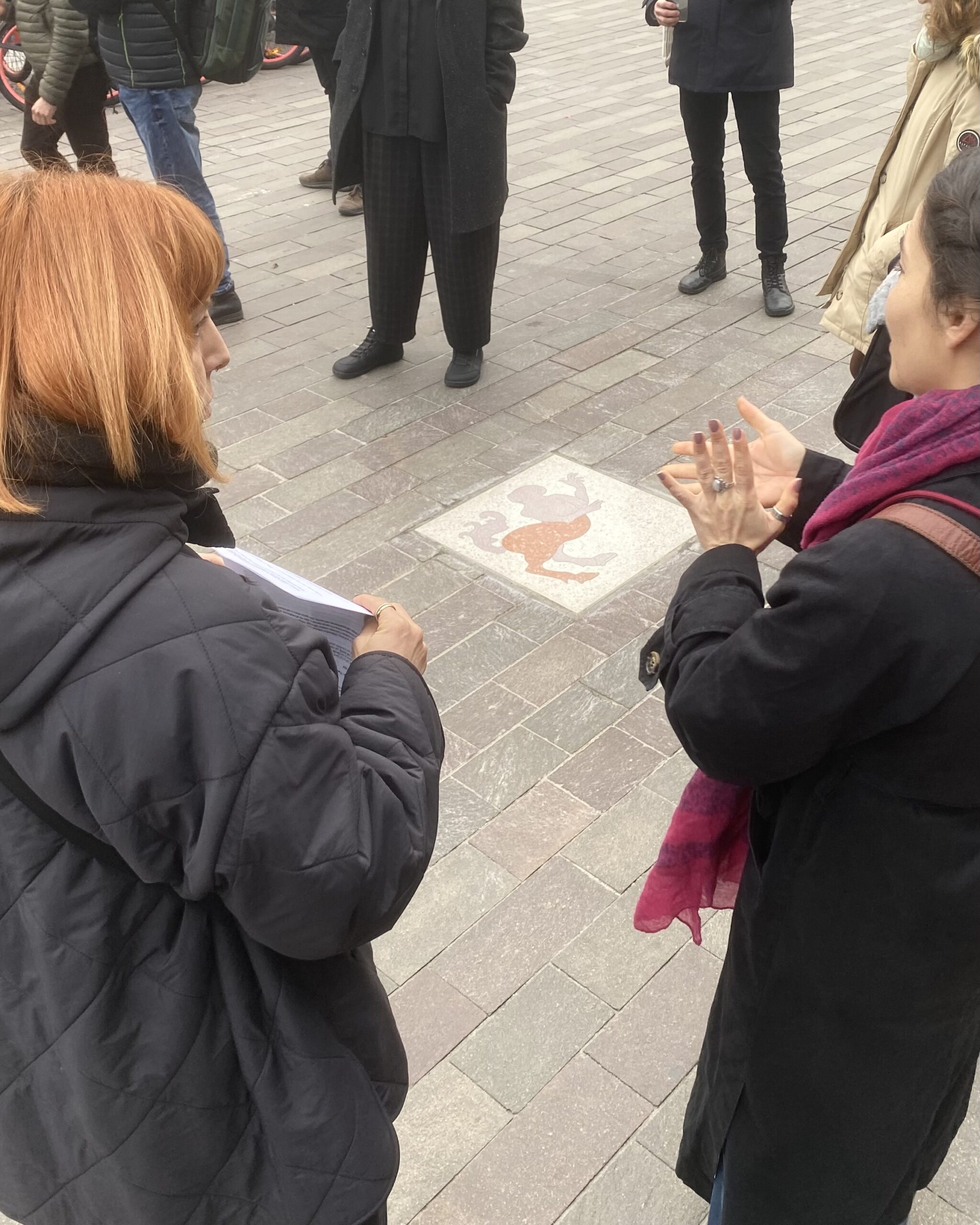
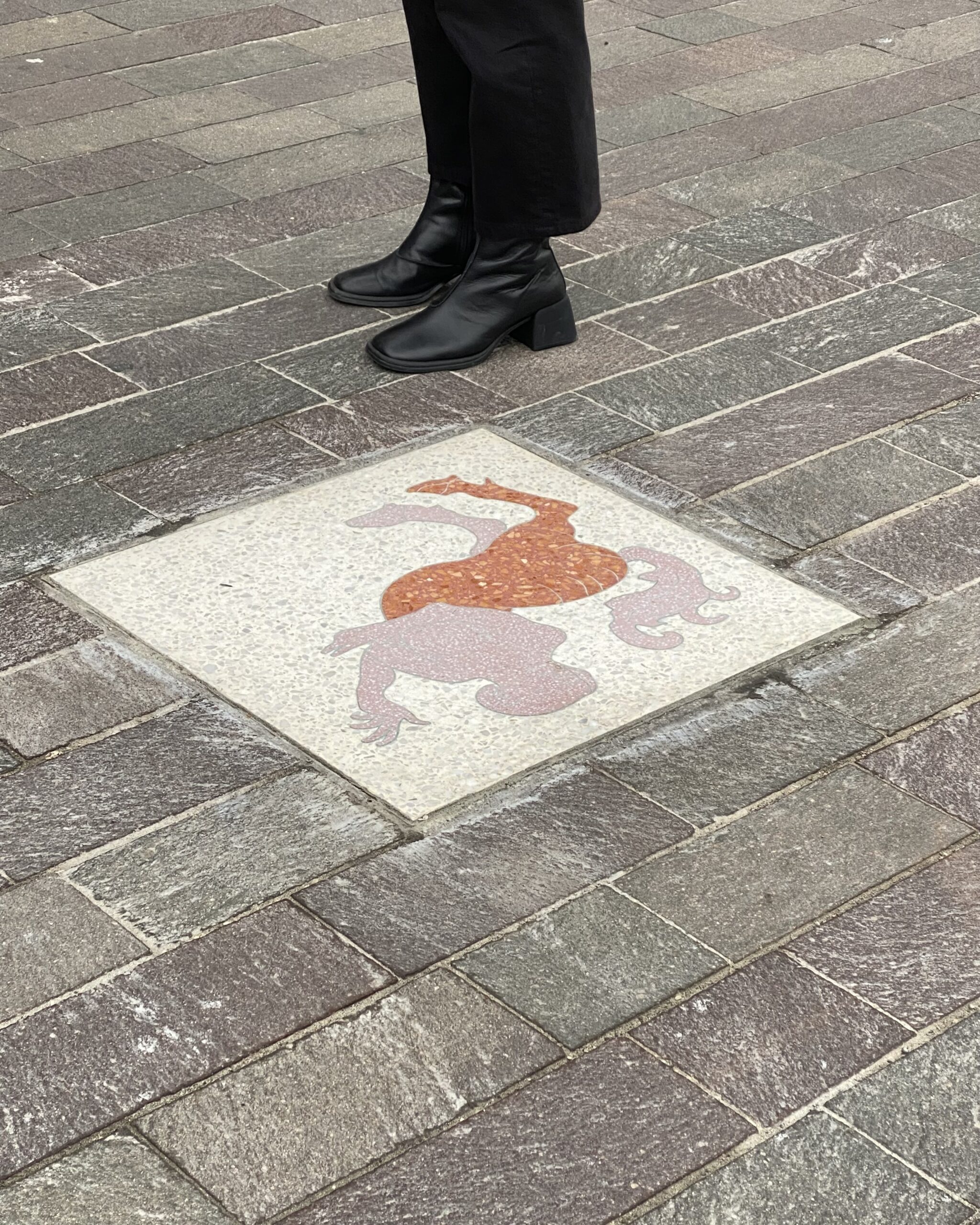
Drawing from the heritage preserved in the archive of the Museum of Geography at the University of Padua, Caterina Morigi creates a diffuse installation, composed of seven elements in terrazzo, positioned on the ground at various points in the station area. The work investigates the iconography of “creatures of the unknown”, legendary animals and fantastic figures that populated ancient maps of unexplored territories. Morigi approaches the contemporary urban space, generating a reflection on the theme of otherness and community coexistence, through a sensorial, emotional, and imaginative path.
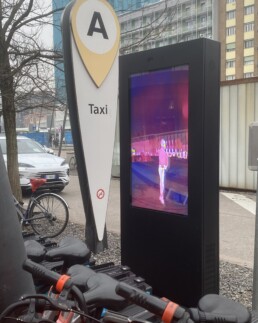
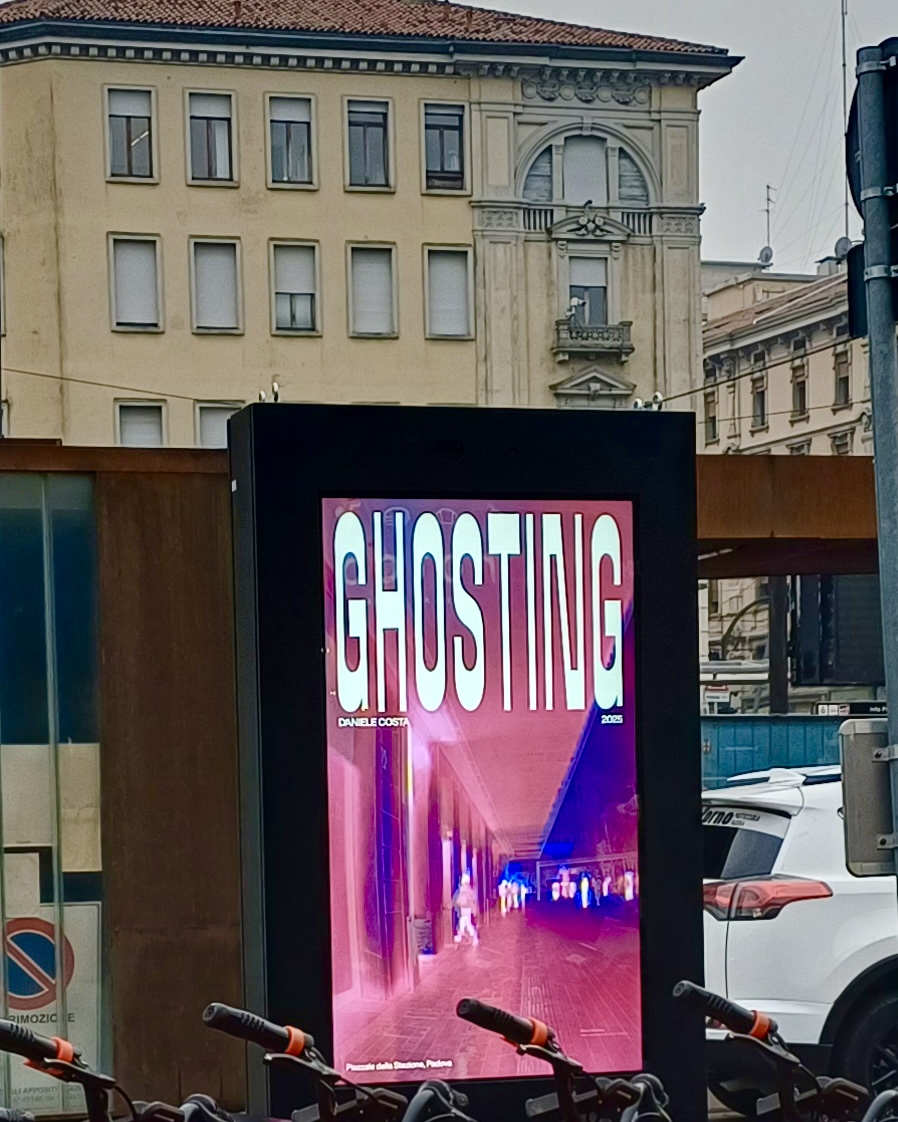
Ghosting | Daniele Costa
The video installation explores, through the use of thermography, the invisible world hidden beneath the surface. Daniele Costa investigates the thermicity of bodies that move through portions of territory, ephemeral traces that mix heat, movement, and color gradients. The dramaturgy by Laura Pante, who is portrayed while doing a performative walk, emphasises the ritual movements of commuters across the station area. The work generates a continously changing landscape of movements, and tells about phantasmatic presences in motion, where the void of absence and the fullness of presence alternate.
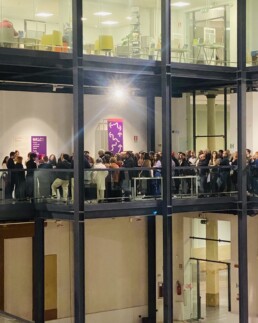
WALC! Final exhibition 16 Jan – 15 Feb 2026
WALC! Final exhibition 16 Jan – 15 Feb 2026
Walking is a way of observing that becomes an immersive experience of the city. It is an act of unveiling, capable of grasping, through urban metamorphoses, the signs of social and climatic change. It is also an act of rewriting, a tool for rethinking and designing urban space beyond established routes. Walking with the city and its inhabitants, human and more-than-human, is at once a political and poetic, social and intimate, critical and creative gesture. As a social practice, walking activates new communities in motion that are aware of the transformative potential of their own steps.
WALC! is an invitation to walk together in our cities.
The exhibition WALC! is the outcome of the project Walking Landscapes of Urban Cultures, which involved the Universities of Bologna, Padua, and Milan Bicocca. Drawing on three different disciplinary perspectives, literary studies, cultural geography, and urban sociology, the research groups coordinated by Filippo Milani, Giada Peterle, and Luca Daconto investigated the complexity of urban walking cultures through transdisciplinary methodologies.
The exhibition itinerary winds its way through the transdisciplinary restitutions of the three research units, which have interpreted their cities as living laboratories for listening to, recounting, and imagining the cultures of urban walking.
Using different languages, each city contributes to the unveiling of new perspectives for those who walk in the city and observe landscapes in constant transformation.
Between Geography and Art
The Padua research unit developed urban itineraries through an open dialogue between geography, art, and creative languages. In collaboration with the Creativity Area of the Progetto Giovani Office of the Municipality of Padua, the Padua research unit launched MAR (Mobile Art Residency), an artist residency that led to the permanent installation of public artworks by Daniele Costa and Caterina Morigi in the train station area.
Together with photographer Marco Lumini, the research unit curated the project Sulla soglia, exhibited at San Gaetano Cultural Centre.
At the Museum of Geography, we present the results of a dialogue with illustrator and urban researcher Tânia A. Cardoso, whose work explores the poetics of everyday life, using graphic art to question and co-create the urban environment.
Exhibition venues
Altinate S. Gaetano Cultural Center – Exhibition | Via Altinate 71, Padua
Opening: January 16, 2026, at 6:00 p.m.
Duration: January 16-February 15
Free admission exhibition
Tuesday to Sunday | 9:00 a.m. to 7:00 p.m.
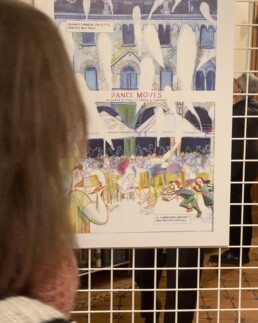
Dance Moves | 18 Jan - 15 Feb 2026
Dance Moves | 18 Jan - 15 Feb 2026An exhibition dedicated to the relationship between illustration, cities, and walking, where you can discover drawing and comics as creative tools for urban research.
DRAWING CITIES
Drawing in the city is a form of exploration that reveals how movement through space is far more than a simple act of getting from one point to another. In the line traced on the page, pencil and moving body, the space traversed and the gaze that crosses it come together in a single intertwining. Too often, the drawing of the city is delegated to a technical domain, as if urban design were merely a set of volumes and orthogonal lines that establish flows and organize, or exclude, bodies. There is another way of thinking about urban drawing, one that draws on anthropologist Tim Ingold’s idea of the line as movement, where body and thought, action and imagination meet.
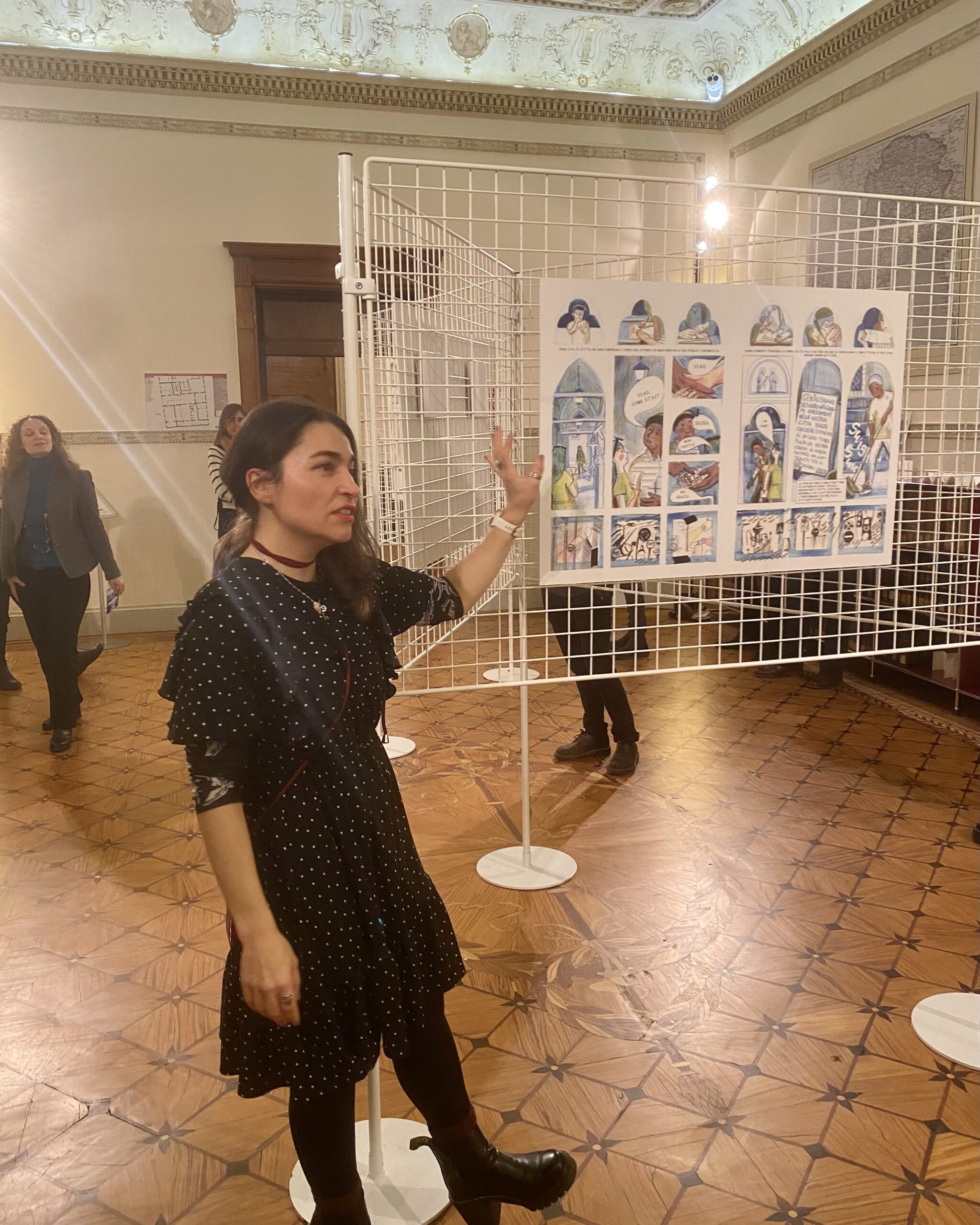
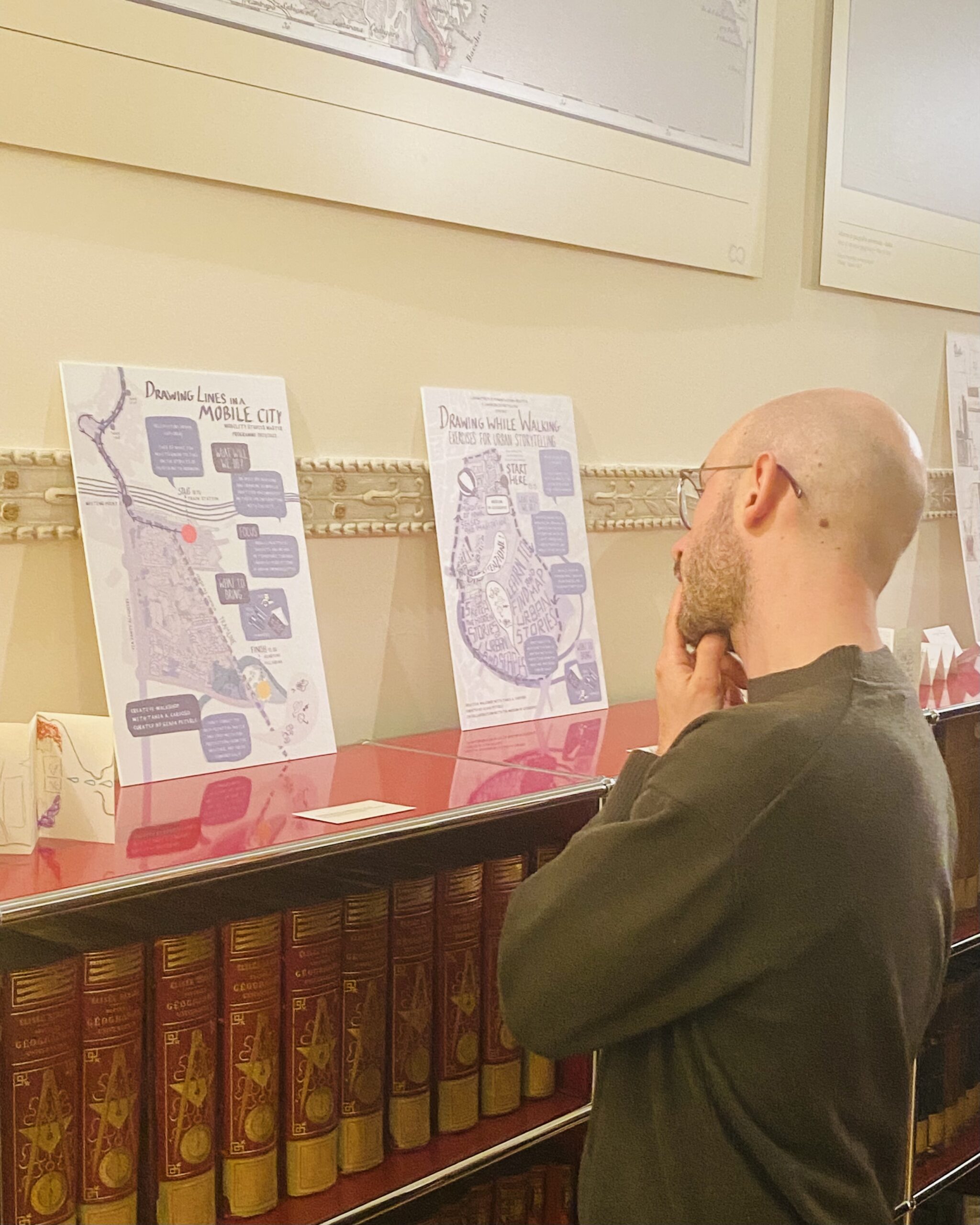
The idea of graphic geography takes up this challenge, adopting comics, live sketching, and illustration as methodologies for urban research. If walking is already a way of paying attention, drawing cities is a transformative act. Drawing while walking makes it possible to translate the trajectories of moving bodies into stories that leave traces of our passage on the page. Drawing is an immersive experience, a narrative of the city, a transformative action, both an urban portrait and a project.
DANCE MOVES
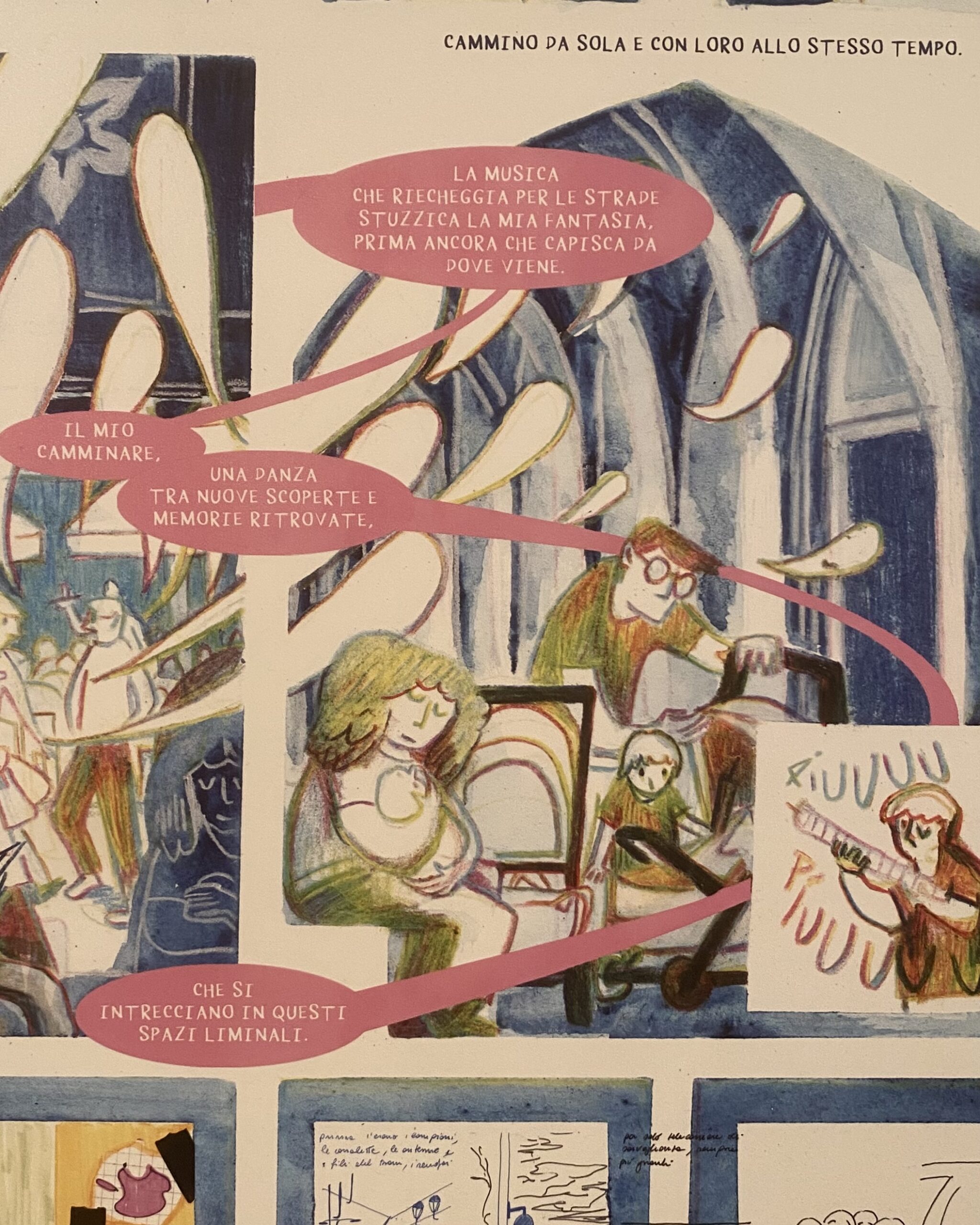
Illustrations by Tânia A. Cardoso
Texts by Giada Peterle and Tânia A. Cardoso
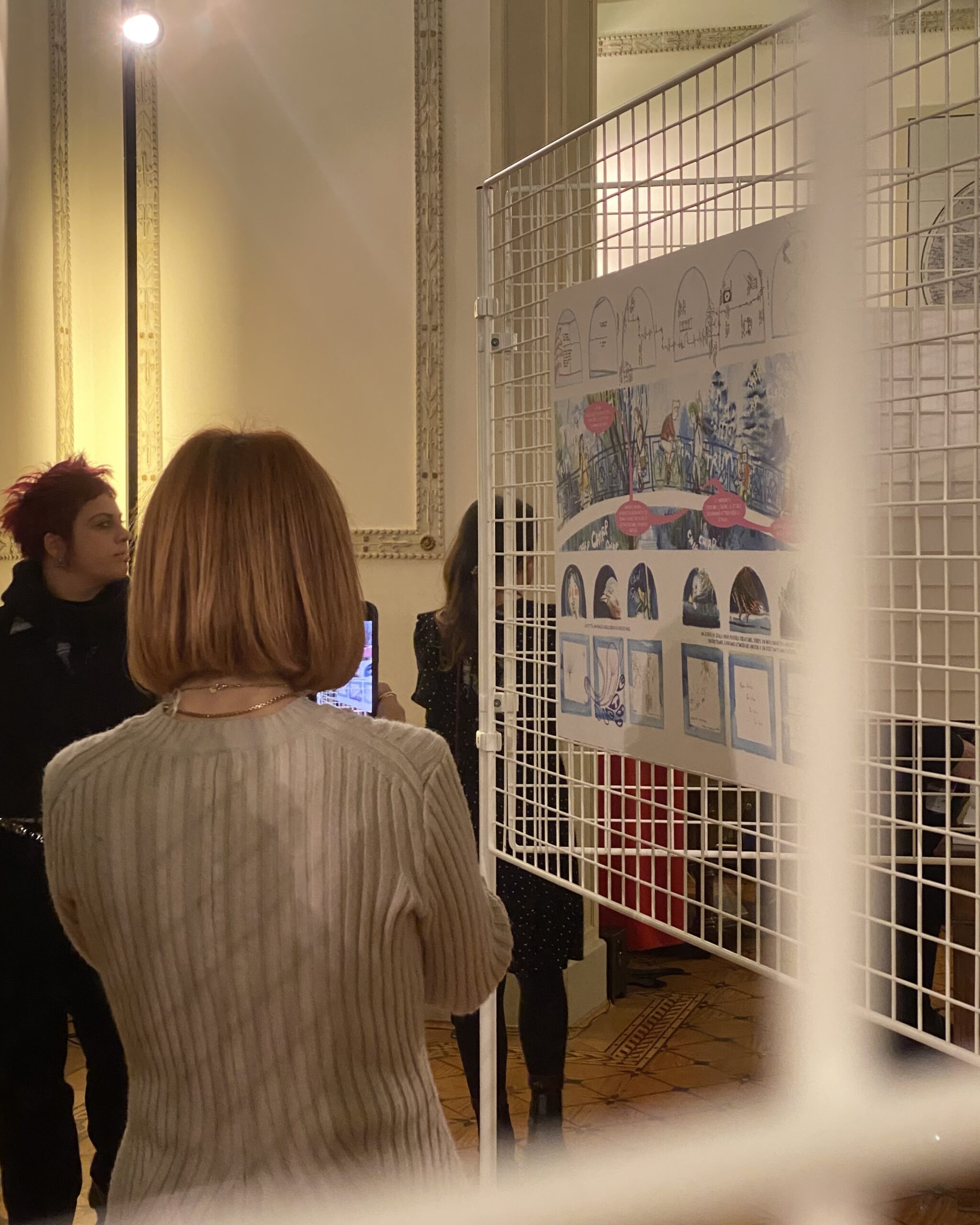
The graphic story Dance Moves emerges from a dialogue between architecture, geography, and graphic languages. It is the result of a walking-based workshop held in April 2025, involving students of the Master’s Degree Programme in Landscape Sciences and members of the public. The walkshop promoted a collaborative approach to the production of stories in motion. The structure of the panels visually embodies this idea by dividing the reading into three narrative lines. The first retraces the actions carried out while walking through the city, such as drawing, exploring, and conversing. The second focuses on the illustrator’s experience and point of view. The third incorporates fragments of the participants’ stories, integrating multiple perspectives into a narrative that is both intimate and plural.
IN FOCUS
Urban Mappings
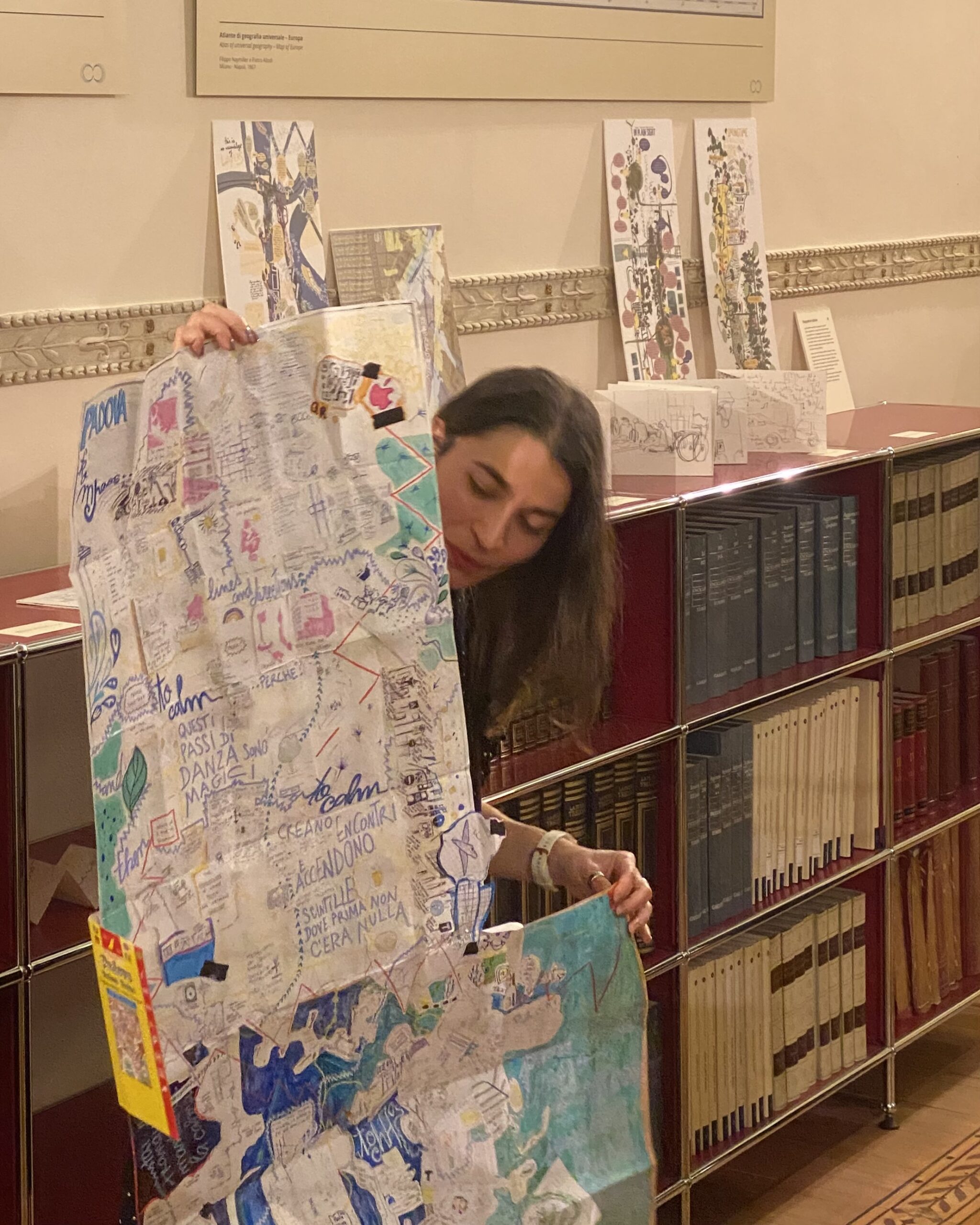
What should a city map represent? Which bodies, desires, voices, and dreams have the right to inhabit it? Cartography is not a technical language reserved for a few, but a dynamic tool accessible to every inhabitant. Walking in the city is a method for collecting narrative prompts and building creative cartographies through field research and urban sketching sessions. Alongside drawings of streets and buildings, Cardoso’s maps incorporate comics and illustrations, enlivened by colours and sounds. They suggest actions to liberate the gaze. By welcoming sounds, smells, and voices, the map is no longer a static plan projecting an orthogonal vision of space, but a living, dynamic place to be inhabited by walking. In this selection, original maps propose itineraries, exercises, and inspirations for drawing while walking in the cities of Padua, Rotterdam, and Amsterdam.
Creative Process
The sketchbook is a meeting place where drawing, gaze, and city intertwine, finding a shared graphic language. Here the first steps are taken so that notes made while walking and observing can later become a story; here fragments of the narrative are collected and then recomposed into intricate paths.
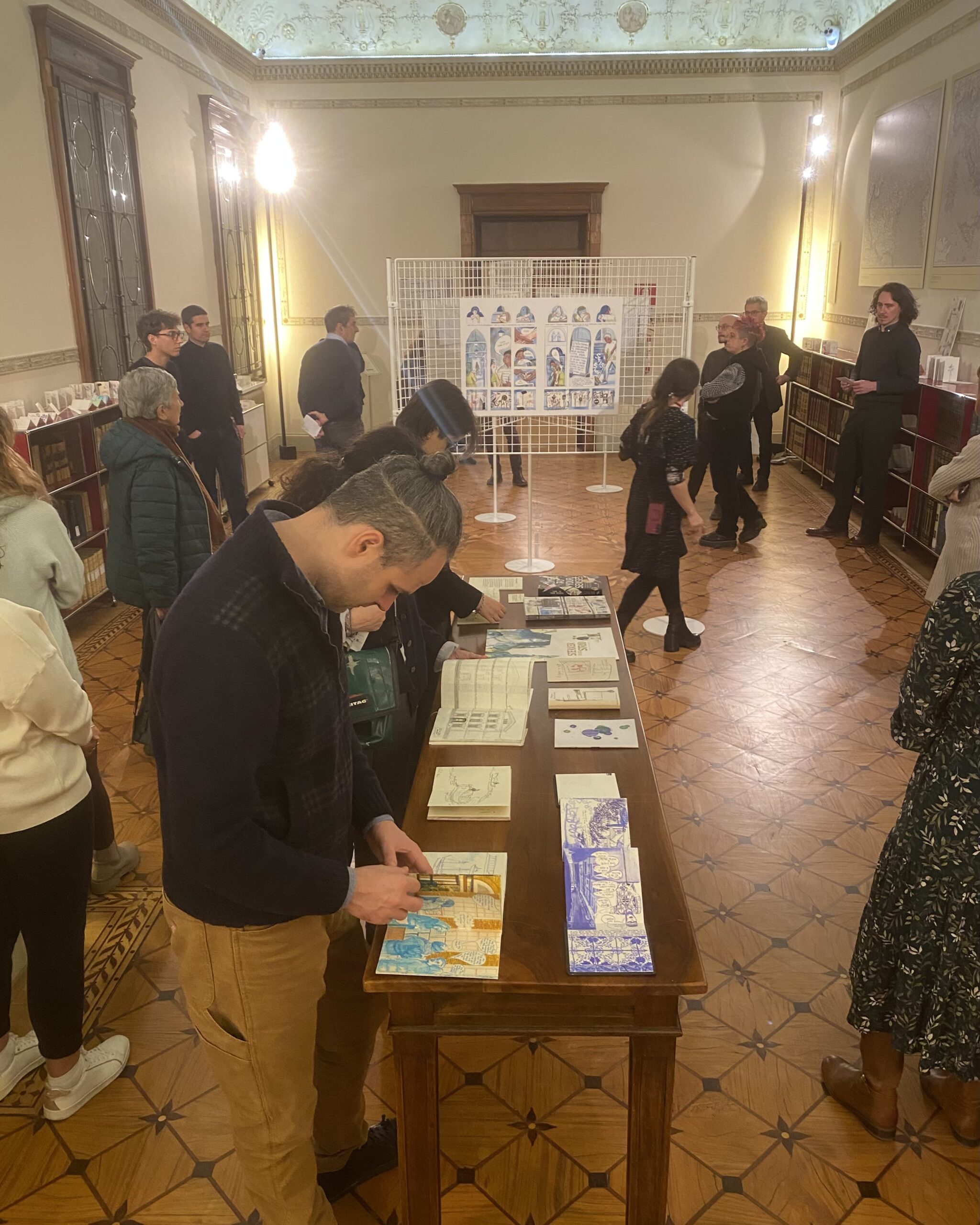
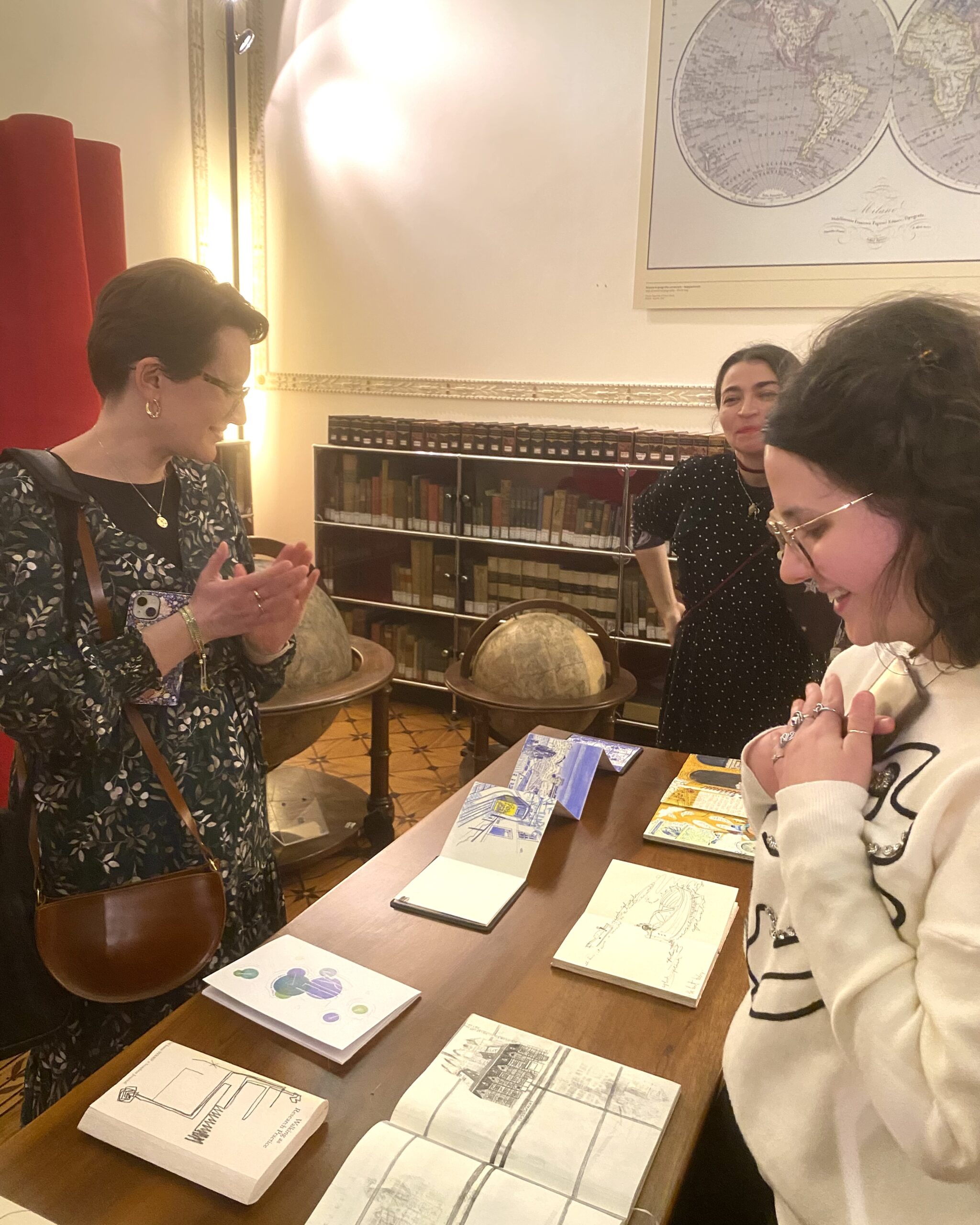
Cardoso’s sketchbooks, exhibited together with her publications, make it possible to trace this process of reworking, from the spontaneous capture of fleeting marks drawn during field research to the complex forms those initial notes take once translated into book form. Following the lines on these pages means entering the creative process: recognizing returns, detours, obstacles, and erasures, leading to the construction of a narrative thread.
An opportunity to observe how thought, from urban sketching to the printed page, can move away from the actual route to open up new paths.
Notes
Created by participants in the walking graphic workshop held in April 2025, the accordion-fold sketchbooks inspired the polyphony of the Dance Moves narrative. Each one focuses on observing a material or immaterial aspect of the urban landscape, while also telling the aspirations and fears of those who traverse it. Between the folds, animalscapes, dirtscapes, technoscapes, dreamscapes, globalscapes, and other landscapes take shape.
These sketchbooks reveal the plural stratifications of walking landscapes and invite the weaving together of collective walking with the sharing of intimate and personal stories.
Among the authors:
Gaia Ballatori, Elena Barbiero, Erika Basso, Francesco Casari, Aurora Circelli, Isabela De Jesus Cadorin, Juliet Fall, Perla Franco, Filippo Milani, Giulia Molinarolo, Ginevra Montefusco, Sabrina Neri, Elisa Sella, Giorgia Vulcan, Israt Zahan Bhuiyan, Francesco Zuccolo.
Geography Museum – Exhibition
Via del Santo, 26
Duration: January 18–February 15
Tuesday from 3:00 p.m. to 6:00 p.m.
Sunday from 2:30 p.m. to 6:30 p.m.