ThiMa - Things that Matter: Mobility and Agency of Everyday Objects in Late Medieval Italy
ThiMa - Things that Matter: Mobility and Agency of Everyday Objects in Late Medieval Italy
MSCA project (September 2025 –August 2027) supervised by Isabelle Chabot: Università degli Studi di Padova, Department of Historical and Geographic Sciences and the Ancient World (DiSSGeA), supported by the MoHu Centre and MobiLab (Call ID: HORIZON-MSCA-2023-PF-01 - Grant Agreement n. 101154204)
ThiMa challenges the assumption that action is a human prerogative by examining how everyday objects served as agents of transformation in late medieval societies. Investigating the boundary between material and human agency is particularly critical for the present, where new artificial intelligences call into question the very essence of being human. ThiMa reflects on these matters from another watershed moment in the redefinition of European material culture. Between the fourteenth and fifteenth centuries, everyday goods diversified and there was a significant increase of objects in circulation. This period can thus serve as a crucial laboratory to explore the impact of ordinary things on people’s social behaviour and emotional life. For the first time, ThiMa examines objects as agents that interacted with individuals, mediating social relationships and moving emotions, (ways of) thinking, and perceptions through their peculiar material language.
To investigate these questions, this project employs a bold new comparative framework in the richly documented but diverse environments of Tuscany and Sicily. This critical move away from siloed approaches to material culture allows us to better understand how socio-economic, institutional, and legal contexts influenced the complex relationship between human and things. The project interrogates a broad range of textual and material sources, using quantitative and qualitative methods, cutting-edge digital tools and drawing on a ground-breaking theoretical framework on material agency. Thanks to this novel approach, ThiMa will profoundly advance our understanding of how humans perceive and interact with their material environment from the medieval past to the present day.
MSCA Fellow:
Serena Galasso
Oggetti agenti: Culture e pratiche materiali nel Medioevo e Rinascimento


2026 Visiting Scholars GRANTS – CALL FOR APPLICATION (by January, 30)
2026 Visiting Scholars GRANTS – CALL FOR APPLICATION (by January, 30)
In the framework of the “Mobilities: A transdisciplinary framework for research, international teaching and public engagement in the Humanities” Department Development Project (PSD 2023-2027), the DiSSGeA (Department of Historical and Geographic Sciences and the Ancient World; hereinafter referred to as “the Department”) is launching a Call for Applications for Visiting Scholars Grants for the year 2026. The initiative provides the assignment of positions as Visiting Scholars to professors, researchers, and early career scholars (postdoctoral researchers, lectures, etc.) from international universities or research centres.
Each project proposal will be awarded with Euro 2,500 net.
Funding requests must be submitted from 19/12/2025 to 30/01/2026 at 1:00 PM (CET), by using the appropriate online form – accessible at this link:
https://docs.google.com/forms/d/1YcNCFWRY2GF9v16B1NP7UdKEMMi1KXucZKU2G7NmuvM/edit
and written in English.
For any queries please contact: research.dissgea@unipd.it.
Results of the Visiting Scholars Grant 2026 – Mobilities Project
We are pleased to announce the winners of the Visiting Scholars Grants 2026, as part of the
“Mobilities: A transdisciplinary framework for research, international teaching and public
engagement in the Humanities” project (PSD 2023-2027).
After a thorough evaluation of the numerous applications received, the Selection Committee has
identified the following scholars as recipients of the grants:
• Mimi Sheller
• Jen Southern
• Sian Bowen
• Anne Conchon
• Angela Smith
We wish to express our sincere appreciation to all candidates for the quality and excellence of the
proposals submitted. The selection was highly competitive, given the high standard of applications.
We thank everyone for their interest in our project and look forward to future opportunities for
collaboration.
The selected candidates will be contacted regarding the next steps.
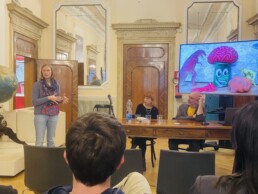
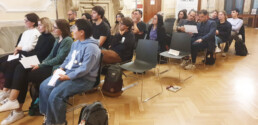
Walking through the ‘autistic city’ - Public book presentation | 24 Oct 2025
Walking through the ‘autistic city’ - Public book presentation | 24 Oct 2025
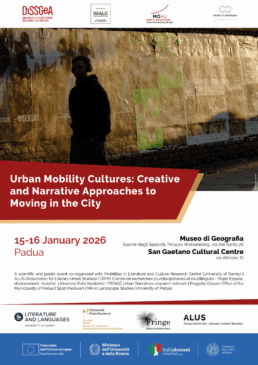
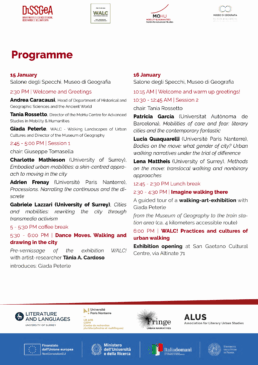
On October 24th, the Geography Museum in Padua hosted a compelling book presentation titled ‘La città autistica’ (The Autistic City). The event, held from 16:30 to 18:00, featured author Alberto Vanolo from the University of Turin, with an introduction by Giada Peterle from our MoHu Centre. Elena Santi, the representative for Accessibility and Inclusion projects at CAM (University Center for Museums of the University of Padua), was also present at the event.
This presentation was part of the NaMUC – Narrative Mobilities of Urban Cultures seminar series, organised within the framework of the WALC – Walking Landscapes of Urban Cultures project. The Paduan unit of the WALC project (PRIN PNRR 2022, funded by the European Union’s NextGeneration EU initiative) is hosted at MoHu.
The event offered attendees a unique opportunity to explore the concept of ‘autistic cities’ and its implications for urban studies and planning. Vanolo’s work likely delves into how urban environments interact with and impact individuals on the autism spectrum, as well as how cities themselves might exhibit ‘autistic-like’ characteristics in their design and function.
This free-entry event not only showcased interdisciplinary research at the intersection of geography, urban studies, and disability studies but also highlighted the University of Padua’s commitment to fostering academic discussions on inclusive urban spaces.”
06 November 2025 | PAESAGGI IN FLUSSO public event
06 November 2025 | PAESAGGI IN FLUSSO public event
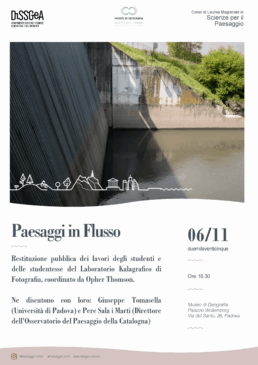
On 6 November 2025, the Museum of Geography in collaboration with our MoHu Centre hosted Paesaggi in Flusso, the public presentation of the photographic works developed within the Laboratorio Kalagrafico di Fotografia, coordinated by photographer and visual researcher Opher Thomson and featuring our Landscape Studies students.
The afternoon showcased a range of visual explorations through which students captured landscapes in motion – shifting forms, changing atmospheres and the subtle rhythms that shape places over time. Their work reflected diverse methods and sensibilities, demonstrating how photography can reveal the fluid and dynamic nature of contemporary landscapes.
At 4:30 PM, the presentation opened into a conversation with Giuseppe Tomasella (University of Padova) and Dr. Pere Sala i Marti, Director of the Landscape Observatory of Catalonia, an established and valued foreign stakeholder of the Landscape Studies programme. Dr. Sala offered insights that bridged research, policy and international landscape governance, enriching the dialogue with his longstanding experience.
Together with the students, the speakers discussed the role of photographic practice in understanding and communicating landscape transformations, as well as the opportunities that arise when artistic, academic and professional perspectives meet.
Paesaggi in Flusso not only highlighted the students’ creative engagement but also demonstrated how both new and long-term partners contribute to broadening the MoHu’s research horizons and strengthening learning opportunities within the Landscape Studies programme.
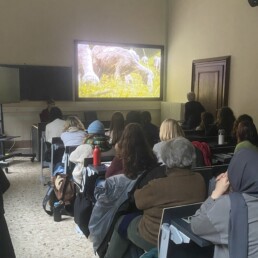
26 Nov 2025 Public Screening | Moving with, and filming, female shepherds
26 Nov 2025 Public Screening | Moving with, and filming, female shepherds
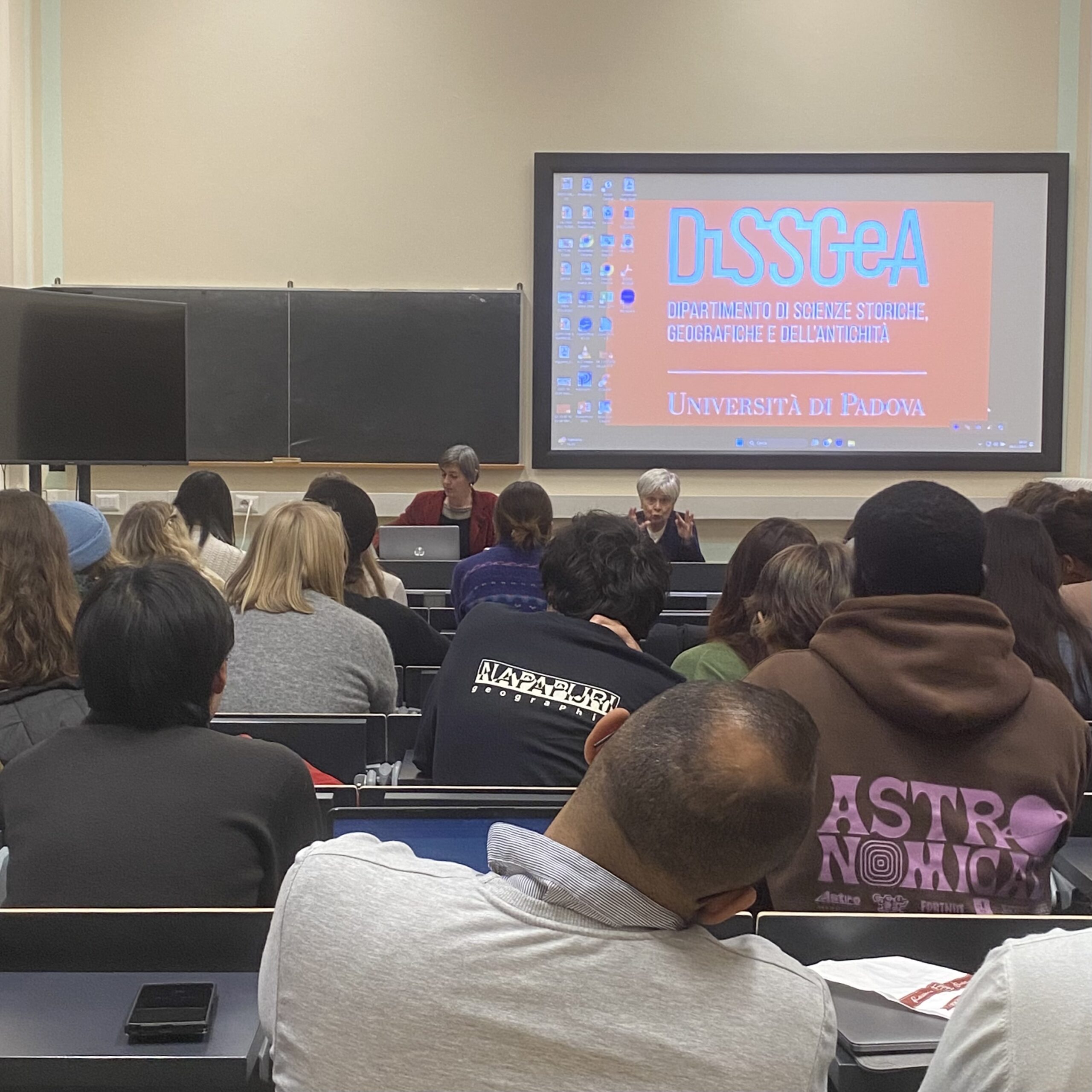
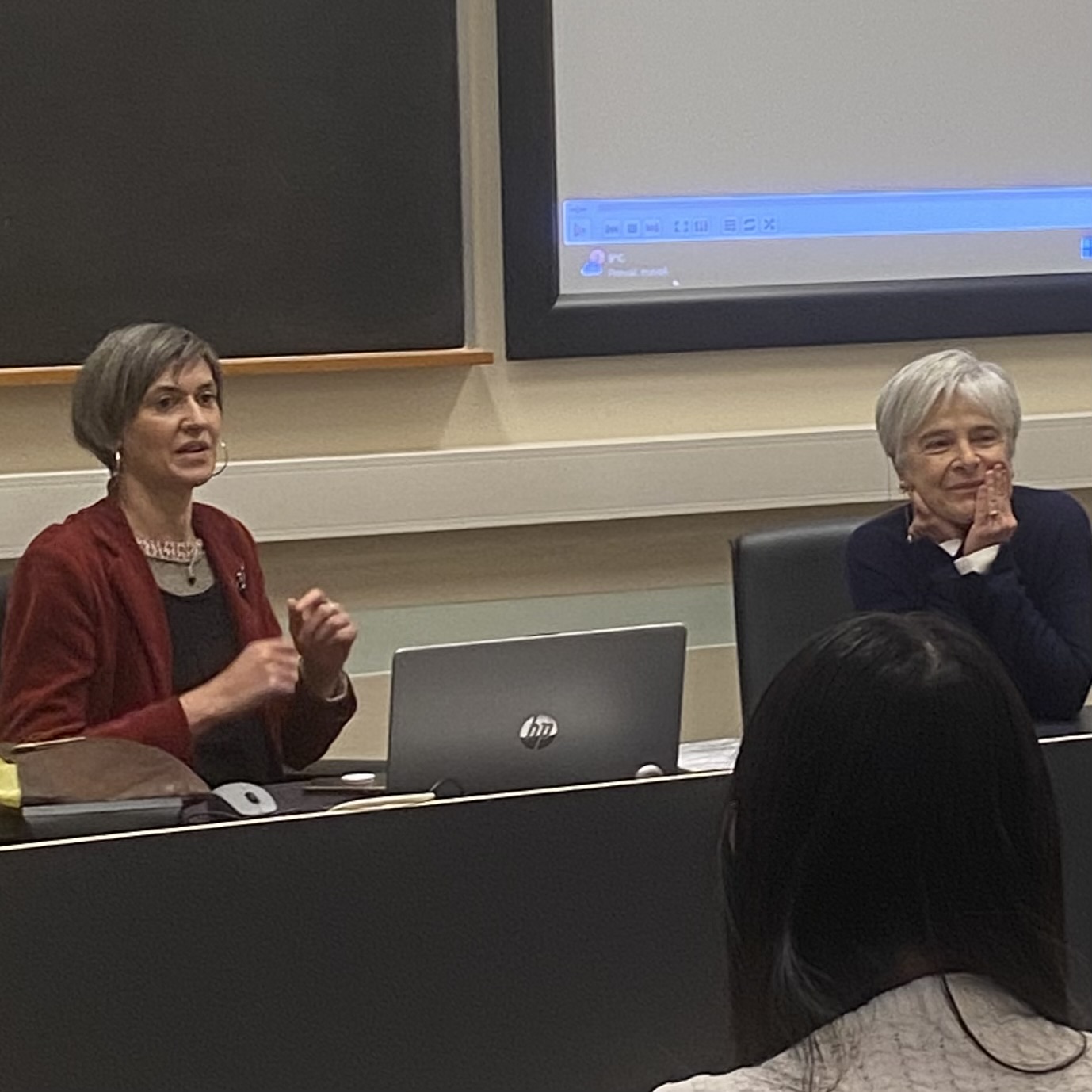
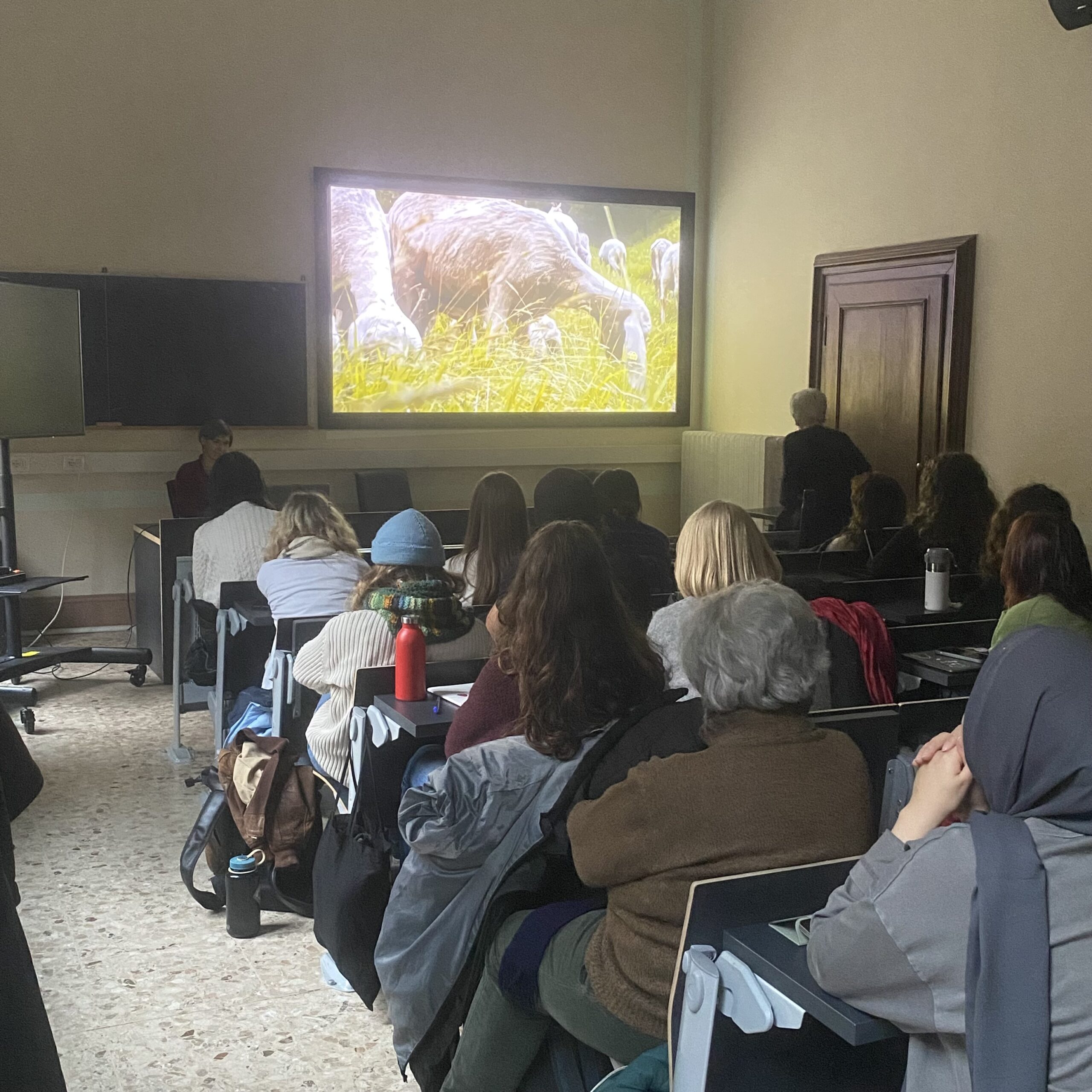
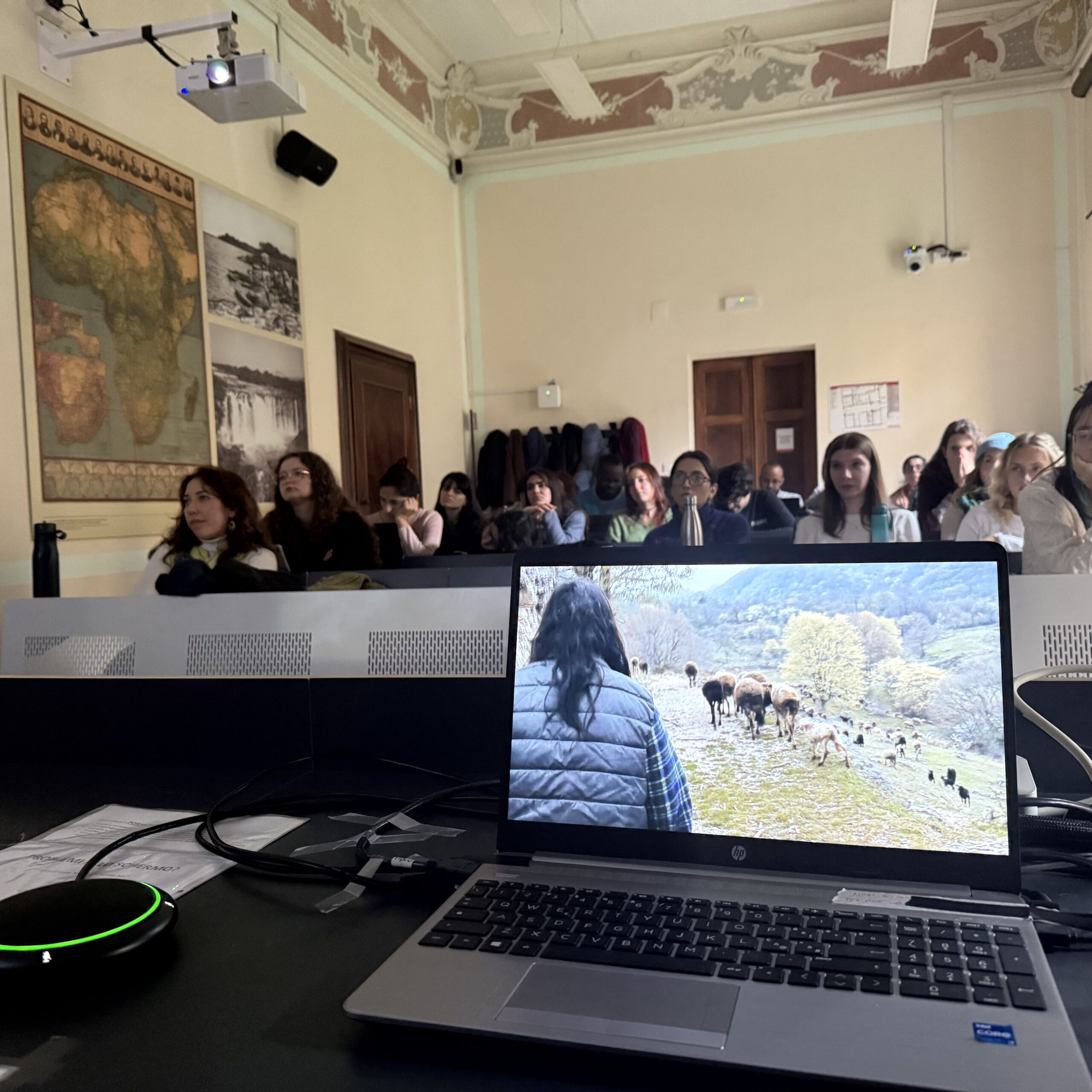
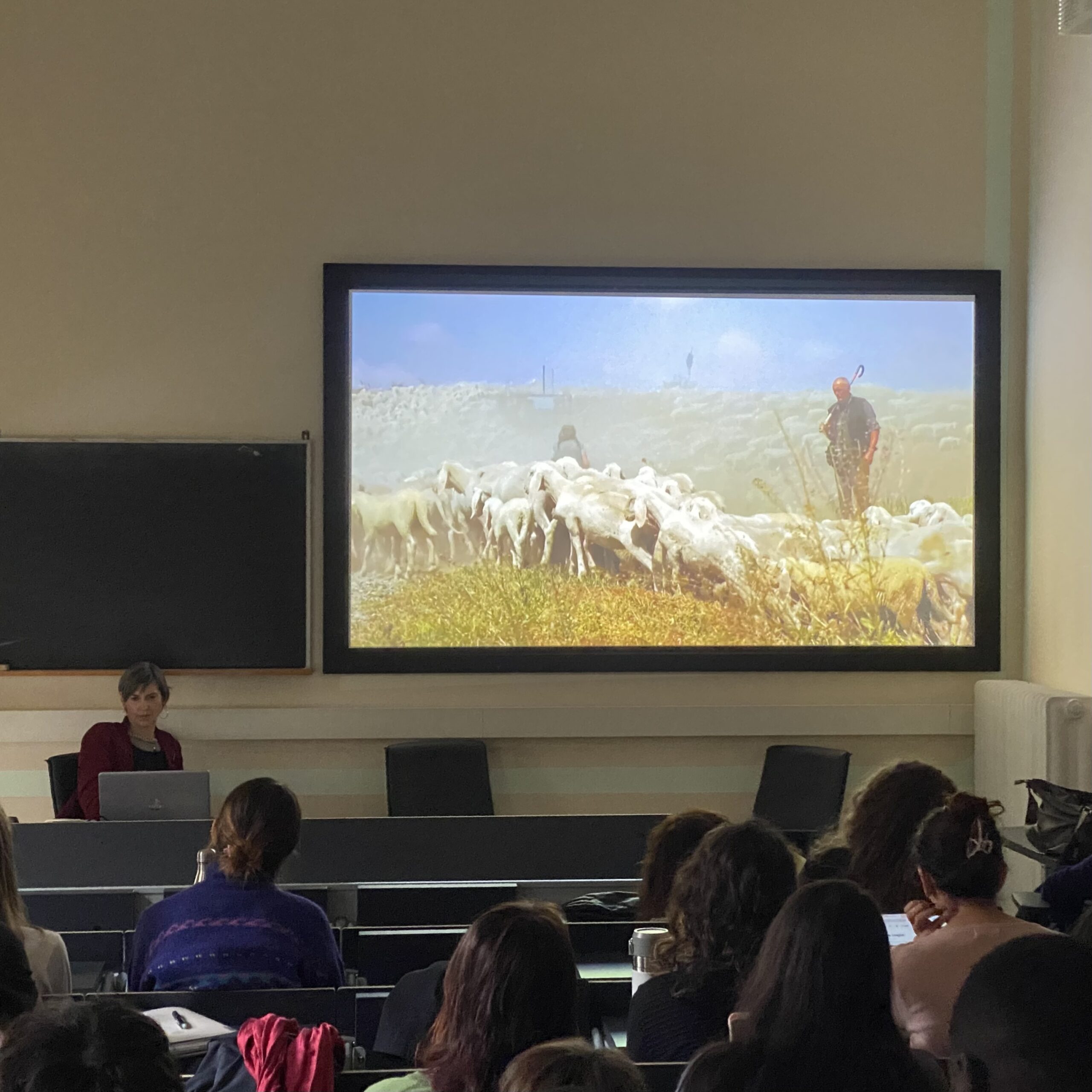
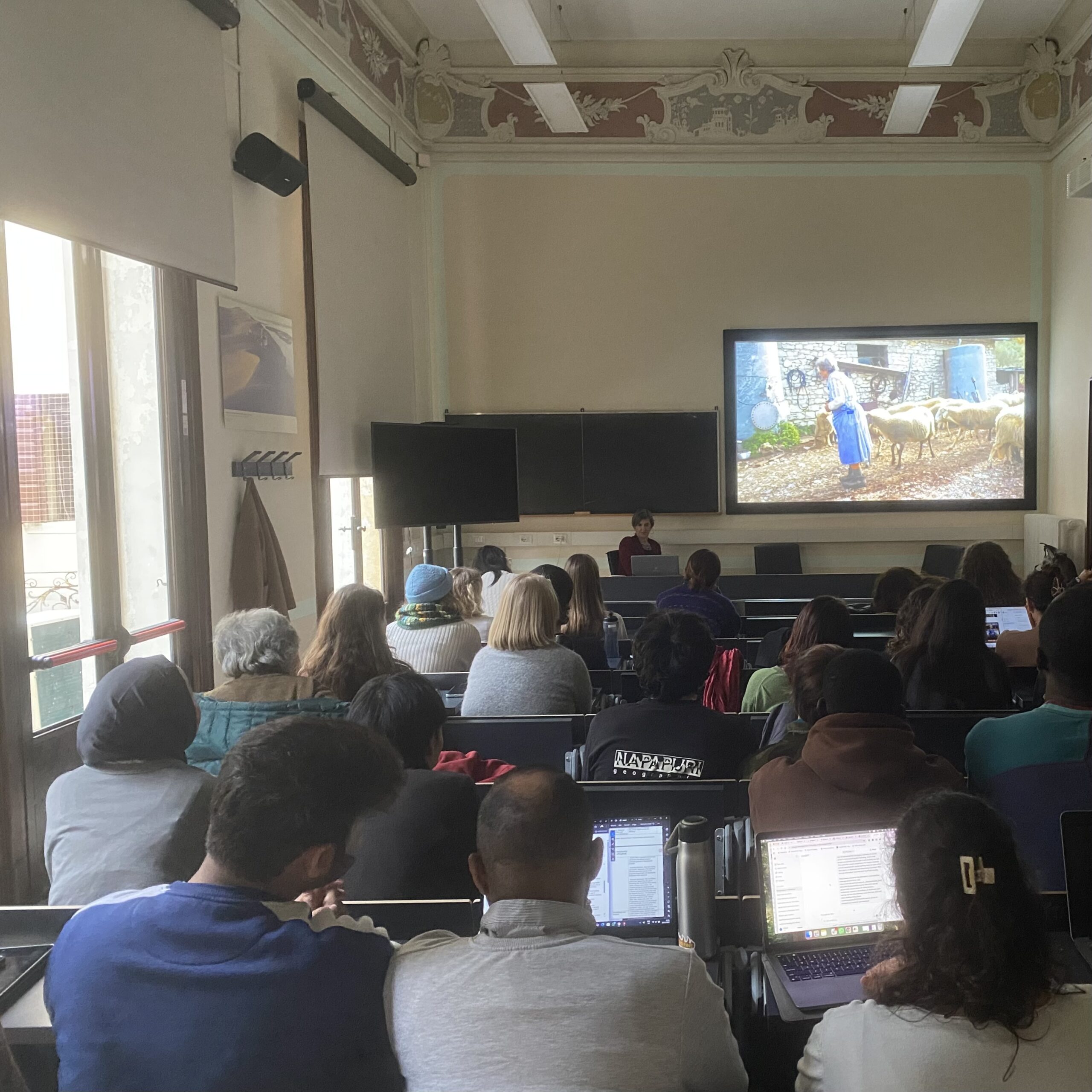
On November 26th, 2025, our Department hosted a compelling event titled “Moving with, and filming, female shepherds in Italy” as part of the “Space, Place and Mobility” course unit held by Chiara Rabbiosi within the Mobility Studies MA.
The highlight of the seminar was the screening of the film “In questo mondo” (In This World) by Anna Kauber, released in 2018. Kauber, the film’s director, presented her work which focuses on the lives and experiences of female shepherds in Italy. The film, shown with English subtitles, offered attendees a unique glimpse into a rarely explored aspect of rural Italian life.
The seminar provided valuable insights into themes of gender, rural livelihoods, and documentary filmmaking. It aligned well with the course’s focus on space and mobility, illustrating how these concepts intersect with traditional practices and gender roles in contemporary Italy.
The event, open to the public with prior registration, drew a diverse audience of students, academics, and external members interested in geography, gender studies, and Italian rural and food cultures. It successfully combined academic discourse with visual storytelling, making it an engaging and educational experience for all attendees.
This seminar was part of a broader European Union-funded initiative, PNRR – M4C2
PRIN PNRR 2022 – NextGenerationEU P20223SFMN – Postdevelopment geographies of Local Food Systems CUP: C53D23008730001.